

Home Chimney Guide: Everything You Need to Know
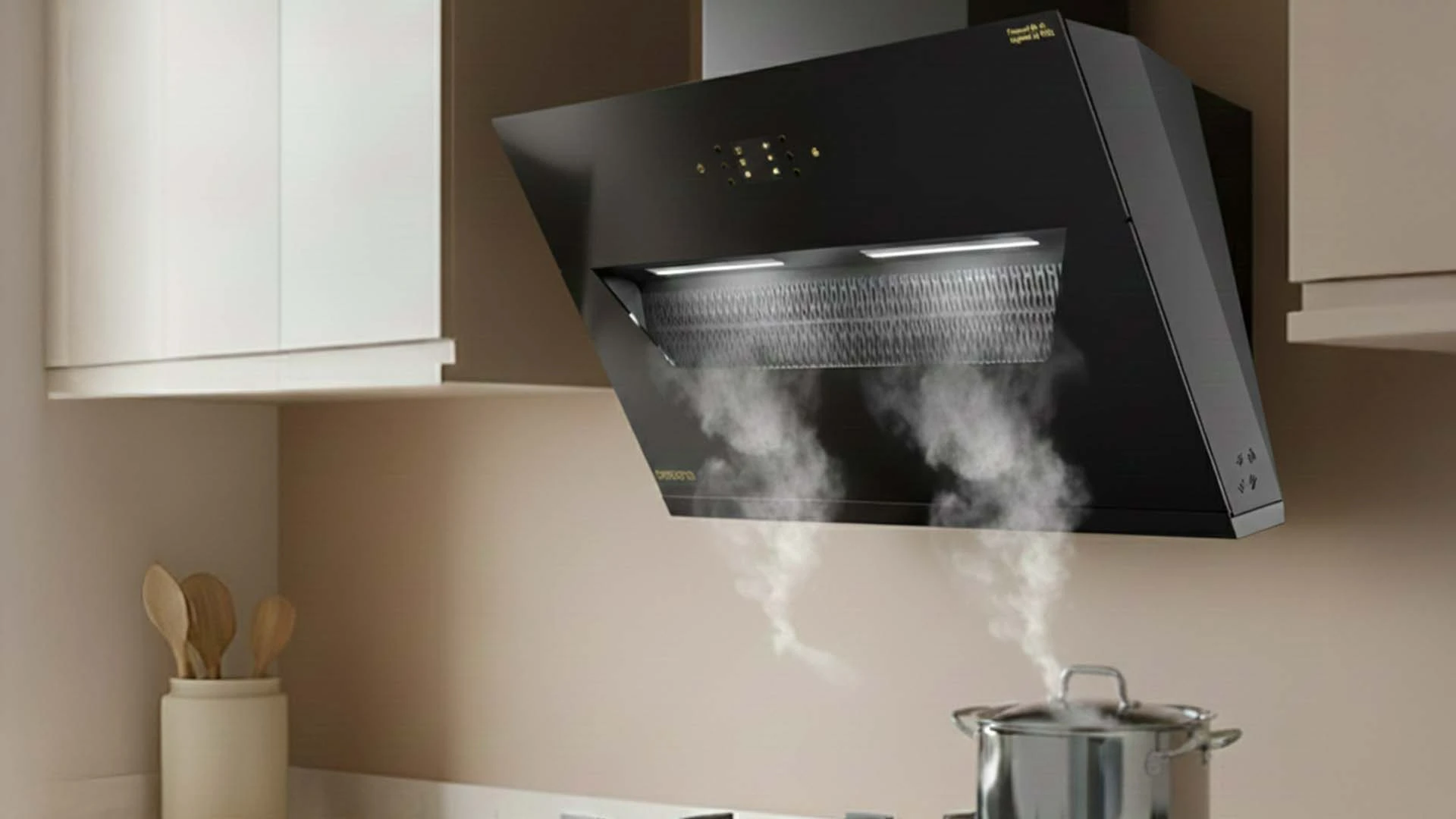
A well-designed kitchen needs proper ventilation to handle smoke, grease, and cooking odors effectively. Kitchen chimneys have become essential appliances in modern Indian homes, transforming cooking experiences by maintaining clean air and protecting your family's health. Whether you're building a new kitchen or upgrading your existing setup, understanding the complete chimney guide for home installation will help you make informed decisions. From selecting the right type to proper maintenance, this comprehensive guide covers everything you need to create a comfortable cooking environment.
A kitchen chimney works as a powerful ventilation system that removes smoke, steam, and cooking odors from your kitchen. The appliance uses a motor-driven fan to create suction that pulls contaminated air through filters before either expelling it outside or recirculating clean air back into the room.
Every Indian home benefits from proper kitchen ventilation due to our cooking styles that involve heavy spices, oil, and high-heat preparations. The intense aromas and smoke generated during traditional cooking can quickly spread throughout your home without adequate ventilation systems.
Installing a home chimney system offers multiple benefits including improved air quality, reduced grease buildup on walls and cabinets, elimination of cooking odors, and protection of your kitchen's paint and furnishings. Many homeowners also notice reduced cleaning time since less grease settles on surfaces.
Common misconceptions include thinking chimneys are only for large kitchens or that they consume excessive electricity. Modern chimneys are designed for various kitchen sizes and feature energy-efficient motors that operate economically.
Selecting the right chimney type depends on your kitchen layout, cooking habits, and installation preferences. Understanding different chimney categories helps you choose the most suitable option for your specific needs.
Ducted chimneys connect to external vents and completely remove contaminated air from your kitchen. Choose ducted chimney installation when you have access to external walls or can create proper ventilation channels. These systems offer superior performance for heavy cooking and completely eliminate odors and moisture.
Ductless systems filter and recirculate air back into the kitchen using carbon filters. They work well for Indian kitchens where external ducting isn't feasible, such as apartments or homes with structural limitations.
Wall-mounted chimneys attach directly to the wall above your cooktop and work best for kitchens with cooking areas against walls. Ceiling-mounted or island chimneys suspend from the ceiling and suit kitchen islands or central cooking areas.
Auto-clean chimneys use heat to break down oil and grease deposits, making maintenance easier. Manual cleaning systems require regular filter washing but often cost less initially.
For Indian cooking styles, ducted chimneys with high suction power work best due to the heavy smoke and oil involved. Auto-clean features prove particularly valuable given the frequent use of oil and spices in our cooking methods.
Making the right chimney purchase requires evaluating several critical factors that affect performance and satisfaction. Understanding these elements ensures you select the best chimney for home use that meets your specific requirements.
A 60cm chimney typically suits 4-burner stoves in medium-sized kitchens. However, consider your kitchen's total area and ceiling height when determining appropriate dimensions. Larger kitchens may require 90cm chimneys for adequate coverage.
Sizing guidelines recommend chimney width should equal or exceed your cooktop width. For optimal performance, position the chimney 24-30 inches above the cooking surface.
Calculate suction capacity based on your kitchen's cubic footage. Multiply kitchen length, width, and height, then multiply by 10-12 for the minimum CFM rating needed. Indian cooking typically requires higher suction power due to oil and spice usage.
Understanding CFM ratings helps ensure optimal performance. Higher CFM numbers indicate stronger suction capability, essential for removing heavy smoke and cooking vapors effectively.
The best chimney for home use varies across different budget ranges. Entry-level options start around INR 8,000-15,000, mid-range models cost INR 15,000-30,000, and premium chimneys range from INR 30,000-60,000 or more.
Cost versus performance analysis shows that investing in quality motors and filters often provides better long-term value through improved efficiency and reduced maintenance costs.
Proper chimney installation ensures optimal performance and safety. Planning ahead and following correct procedures prevents common problems and maximizes your investment's effectiveness.
Pre-installation planning involves measuring your kitchen space, checking electrical requirements, and determining ducting routes if needed. Ensure adequate power supply and proper mounting support for your chosen chimney model.
Professional installation typically provides better results than DIY approaches, especially for ducted systems requiring external venting. Certified technicians understand local building codes and safety requirements.
Electrical considerations include dedicated circuits for high-power chimneys and proper grounding for safety. Ducting requirements involve creating efficient paths to external vents while minimizing bends that reduce airflow.
Safety guidelines during installation include turning off power supplies, using proper mounting hardware, and ensuring secure connections. Post-installation testing verifies proper operation and optimal suction performance.
Regular maintenance extends your chimney's lifespan and maintains peak performance. Establishing proper cleaning routines prevents buildup that reduces efficiency and creates potential safety hazards.
Daily maintenance includes wiping external surfaces and checking for unusual noises. Weekly tasks involve cleaning grease collection trays and inspecting filter condition.
Monthly maintenance requires thorough filter cleaning or replacement depending on usage intensity. Signs your chimney needs professional cleaning include reduced suction power, increased noise levels, or visible grease buildup.
Noise problems often result from loose components or worn motor bearings. Regular lubrication and tightening connections typically resolve these issues.
Reduced suction power fixes include cleaning clogged filters, checking ducting for obstructions, and verifying proper motor operation. Filter replacement guidelines recommend changing cassette filters every 3-6 months and baffle filters need cleaning every 2-3 months.
Consider your cooking frequency and style. Heavy Indian cooking with lots of oil and spices requires higher suction power (800+ CFM) and auto-clean features. Light cooking needs basic models with 400-600 CFM capacity.
The 3:2-10 rule applies to traditional fireplaces, not kitchen chimneys. For kitchen ventilation, focus on CFM ratings calculated by multiplying kitchen volume by 10-12 for proper air exchange rates.
Choose ducted chimneys with high suction power (800+ CFM), baffle filters for better grease handling, auto-clean features, and ensure adequate electrical supply. Consider noise levels if your kitchen connects to living areas.
Cassette filters need replacement every 3-6 months depending on usage. Baffle filters require cleaning every 2-3 months but last several years. Carbon filters in ductless systems need replacement every 6-12 months.
Yes, compact chimney models work well in small kitchens. Choose 60cm width chimneys with adequate suction power. Wall-mounted designs save space compared to ceiling-mounted options.
Baffle filters use curved metal plates to separate grease and are washable, lasting several years. Cassette filters use mesh or aluminum layers, require replacement every few months, but cost less initially.
Choose chimneys with lower noise ratings (below 58 dB), ensure proper installation to prevent vibrations, use flexible ducting to reduce motor strain, and consider variable speed controls for quieter operation during light cooking.
Selecting the right kitchen chimney transforms your cooking experience by maintaining clean air and protecting your home from grease and odors. This comprehensive chimney guide for home installation covers essential factors from understanding different types to proper maintenance practices. Remember that investing in quality ventilation pays long-term dividends through improved air quality, easier cleaning, and enhanced cooking comfort. Whether you choose ducted or ductless systems, prioritize adequate suction power for your cooking style and kitchen size. Regular maintenance ensures optimal performance and extends your chimney's lifespan, making it a valuable addition to any modern kitchen.
