

High vs Low Suction Chimney: Which Wins?
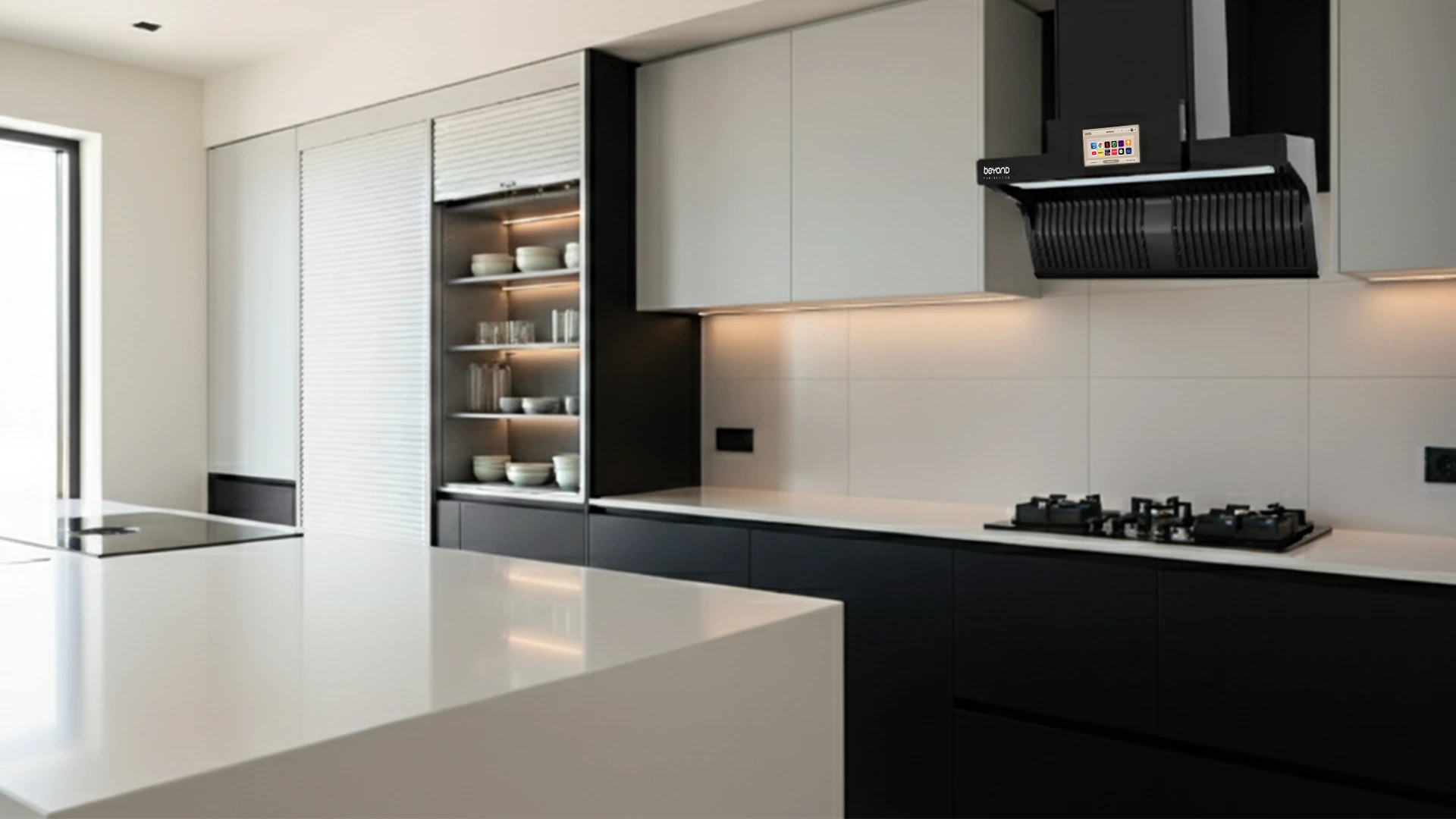
Choosing the right kitchen chimney can make or break your cooking experience. The battle between high suction vs low suction chimney isn't just about numbers—it's about finding the perfect match for your kitchen size, cooking habits, and lifestyle. Whether you're dealing with heavy Indian cooking or light meal preparation, understanding chimney suction power helps you make a smart investment. This guide breaks down everything you need to know about suction capacity, performance differences, and which option truly wins for your specific needs.
Chimney suction power determines how effectively your kitchen exhaust system removes smoke, oil particles, and cooking odors. This measurement, expressed in cubic meters per hour (m³/hr), directly impacts your cooking comfort and kitchen cleanliness.
Suction capacity chimney ratings typically range from 400 m³/hr to 1500 m³/hr or higher. This number tells you how much air the chimney can move in one hour. Higher numbers mean more powerful suction, but that doesn't automatically make them better for every kitchen. The key lies in matching the suction power to your specific cooking needs and kitchen size.
High suction chimneys (1000+ m³/hr) excel at handling heavy cooking loads and larger kitchen spaces. They quickly clear smoke and oil particles, making them ideal for frequent cooking households. Low suction models (400-800 m³/hr) work well for smaller kitchens and lighter cooking patterns, offering energy efficiency and quieter operation.
Different chimney designs require varying suction power levels to perform effectively. Understanding these requirements helps you choose the right combination of style and performance.
Ducted chimneys can handle higher suction capacities because they expel air outside through ducts. These systems work efficiently with 1000+ m³/hr ratings. Ductless chimney models recirculate filtered air back into the kitchen, limiting their effective suction capacity to around 800 m³/hr maximum. The recirculation process requires more time to clean the air completely.
Auto clean chimney models maintain consistent suction power longer because they prevent oil buildup in the motor. Manual clean versions may experience reduced performance over time without regular maintenance. The dry heat auto clean technology melts jammed oil and particles, collecting them in an easily cleanable tray.
Indian cooking presents unique challenges that significantly impact chimney selection. The combination of high-heat cooking methods, oil usage, and spice preparation creates demanding conditions for kitchen ventilation.
Traditional Indian cooking involves deep frying, tandoor-style cooking, and heavy spice tempering. These methods generate substantial smoke, oil particles, and strong aromas that require powerful kitchen exhaust systems. Regular cooking of dal, sabzi, and rotis creates consistent ventilation demands throughout the day.
For best chimney for Indian cooking performance, consider these guidelines: • Small kitchens (up to 100 sq ft): 800-1000 m³/hr • Medium kitchens (100-200 sq ft): 1000-1200 m³/hr • Large kitchens (200+ sq ft): 1200-1500 m³/hr Frequent cooking households should lean toward higher suction ratings within their kitchen size category.
High suction chimneys deliver impressive performance but come with specific considerations that affect their suitability for different households.
Large kitchens benefit enormously from high suction power. The 1500 CMH suction quickly clears smoke with powerful suction designed for Indian cooking. Commercial-style cooking, frequent entertaining, and multi-burner cooking sessions all demand this level of performance. Heavy cooking households find the investment worthwhile for maintaining clean, comfortable kitchen environments.
Higher energy consumption increases monthly electricity bills. Noise levels may disturb household activities, especially in open kitchen designs. Installation complexity often requires professional ductwork modifications. Initial costs run significantly higher than low suction alternatives.
Low suction chimneys serve specific household types effectively while offering distinct advantages in the right situations.
Small apartments and compact kitchens work well with 400-800 m³/hr models. Light cooking patterns, occasional meal preparation, and budget-conscious buyers find these options practical. Apartment living constraints, including noise restrictions and limited ductwork options, make low suction chimneys appealing choices.
Heavy cooking overwhelms low suction systems, leading to incomplete smoke clearance. Oil accumulation occurs faster, requiring more frequent cleaning. Cooking multiple dishes simultaneously may exceed the system's capacity, leaving lingering odors and smoke.
Selecting between high and low suction requires careful evaluation of your specific kitchen conditions and cooking habits.
Measure your kitchen dimensions accurately, including ceiling height and available installation space. Evaluate your cooking frequency, preferred cooking methods, and household size. Set a realistic budget that includes installation costs and ongoing maintenance expenses. This chimney buying guide approach ensures you choose appropriately.
Motor power and efficiency ratings affect long-term performance and energy costs. Filter types impact maintenance requirements and air cleaning effectiveness. Noise levels, measured in decibels, influence kitchen comfort during operation. Energy consumption directly affects monthly utility bills.
Ductwork requirements vary significantly between high and low suction models. Professional installation ensures optimal performance and warranty coverage. Long-term chimney maintenance tips include regular filter cleaning, motor inspection, and oil tray emptying. Consider these ongoing costs when comparing options.
Small kitchens (under 100 sq ft) perform well with 600-800 m³/hr suction capacity. This range provides adequate smoke clearance without overwhelming the space or creating excessive noise.
Test your chimney during heavy cooking sessions. Smoke should clear within 2-3 minutes of turning on the exhaust. Lingering odors or visible smoke indicate insufficient suction power for your cooking style.
High suction chimneys justify their cost for frequent cooking households, large kitchens, and heavy Indian cooking. The improved air quality and faster smoke clearance enhance cooking comfort significantly.
The 200 m³/hr difference translates to approximately 15-20% faster smoke clearance. This improvement becomes noticeable during heavy cooking sessions but may not justify the cost difference for light cooking households.
Gas stoves produce less smoke than electric cooktops, but Indian cooking methods still benefit from higher suction. Consider your cooking style rather than just the stove type when selecting suction capacity.
Manual clean chimneys require filter cleaning every 2-3 weeks with regular use. Auto clean models with filterless design need oil tray cleaning monthly, significantly reducing maintenance effort.
The high suction vs low suction chimney decision depends entirely on your specific kitchen conditions and cooking habits. High suction models excel in large kitchens with heavy cooking demands, while low suction options serve smaller spaces and light cooking patterns effectively. Consider your kitchen size, cooking frequency, budget constraints, and noise tolerance when making this important decision. Remember that proper installation and regular maintenance matter more than raw suction numbers for long-term satisfaction. Choose the option that matches your lifestyle rather than simply opting for the highest specifications available.
