

Gas vs Electric: Ultimate Burner Quality Guide
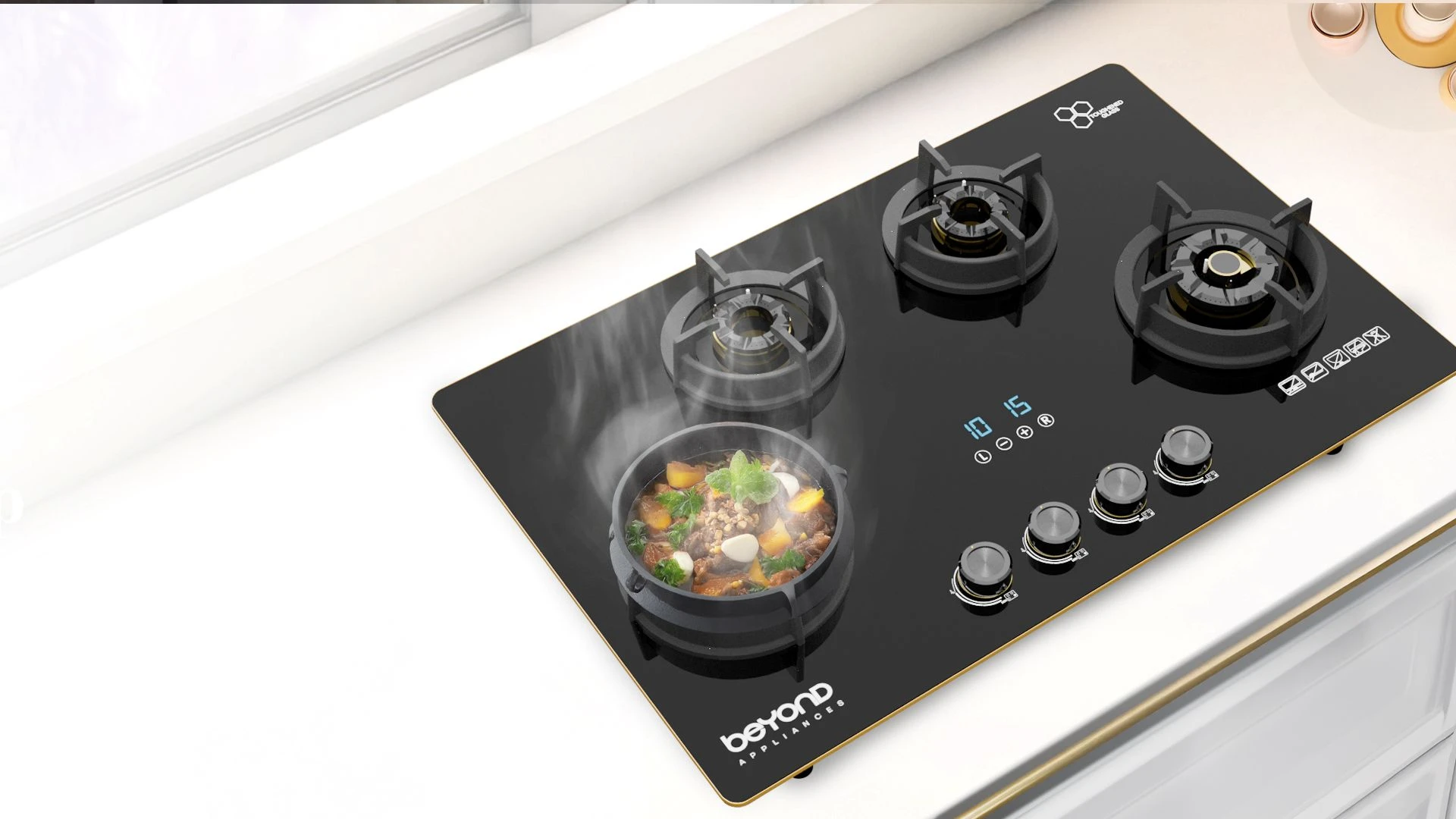
Choosing the right burner for your kitchen can transform your cooking experience completely. Whether you're upgrading your existing cooktop or building a new kitchen, understanding how to compare burner quality becomes essential for making an informed decision. Gas and electric burners each offer unique advantages, but the quality varies significantly across different models and brands. This comprehensive guide will help you evaluate burner performance, efficiency, and durability to find the perfect match for your cooking needs and lifestyle preferences.
High-quality burners share several key characteristics that distinguish them from basic models. The most important factor is consistent heat distribution across the cooking surface, ensuring even cooking results every time. Quality burners also respond quickly to temperature adjustments, giving you precise control over your cooking process. When evaluating burner comparison options, look for industry certifications like ISI marks for safety standards. These certifications guarantee that the burner meets specific performance and safety requirements. Quality burners typically feature durable materials that resist wear, corrosion, and heat damage over extended use. Another crucial aspect is energy efficiency ratings. Quality burners convert more fuel or electricity into usable heat, reducing your utility bills while delivering superior cooking performance. They also maintain consistent performance over their lifespan without significant degradation in heat output or control precision.
Gas burner quality depends heavily on BTU output and flame distribution patterns. High-quality gas burners typically offer BTU ranges from 5,000 to 18,000, providing flexibility for different cooking techniques. The flame should distribute evenly around the burner ring, creating uniform heat zones. Flame control precision separates quality gas burners from basic models. Premium burners allow you to adjust from a gentle simmer to high-heat searing with smooth, responsive controls. The ignition system should light reliably every time, whether using electric ignition or pilot lights.
Burner caps and grates made from cast iron or heavy-duty steel indicate superior construction. These materials retain heat effectively and resist warping under high temperatures. Quality gas burners also feature sealed burner designs that prevent spills from reaching internal components.
Look for automatic shut-off valves and flame failure safety devices in quality gas burners. These features cut gas supply if flames are accidentally extinguished, preventing dangerous gas accumulation. Efficient gas burners also minimize unburned gas emissions while maximizing heat transfer to cookware.
Electric burner quality varies significantly based on heating element technology and surface materials. Coil burners offer direct heat contact but may create uneven heating patterns. Glass-top electric burners provide smooth surfaces for easy cleaning but require compatible cookware for optimal performance. Temperature consistency distinguishes quality electric burners from basic models. Premium electric burners maintain steady temperatures without significant fluctuations, crucial for delicate cooking techniques like melting chocolate or preparing sauces.
Induction burner comparison reveals significant advantages in energy efficiency and control precision. Quality induction burners transfer energy directly to magnetic cookware, achieving faster heating times than traditional electric or gas options. They also offer instant temperature adjustments and precise control settings. Magnetic field strength determines heating effectiveness in induction burners. Quality models generate strong, consistent magnetic fields that work efficiently with various cookware sizes and materials. Advanced induction burners also feature smart sensors that detect cookware presence and adjust power accordingly.
When conducting a thorough burner comparison, consider both initial costs and long-term operating expenses. Gas burners typically cost less to operate in areas with affordable natural gas, while electric burners may be more economical where electricity rates are competitive. Installation requirements vary significantly between gas and electric options. Gas burners require proper ventilation and gas line connections, while electric burners need adequate electrical capacity. Consider these infrastructure needs when evaluating total installation costs. • Performance metrics: Heat output, temperature control, response time • Operating costs: Fuel efficiency, energy consumption, maintenance requirements • Installation needs: Infrastructure requirements, professional installation costs • Environmental impact: Emissions, energy source sustainability
Burner efficiency directly impacts your cooking results and energy bills. Gas burners typically achieve 40-55% efficiency in transferring heat to cookware, while electric coil burners reach 65-70% efficiency. Induction burners lead in efficiency at 85-90%, making them the most energy-effective option. Burner lifespan depends on construction quality, usage patterns, and maintenance practices. Quality gas burners can last 15-20 years with proper care, while electric burners typically provide 10-15 years of reliable service. Regular cleaning and appropriate cookware use significantly extend burner life.
Quality burners require minimal maintenance but benefit from regular cleaning and inspection. Gas burners need periodic cleaning of burner ports to maintain proper flame patterns. Electric burners require careful cleaning to prevent damage to heating elements or glass surfaces. Signs of declining burner quality include uneven heating, slow response times, and increased energy consumption. Address these issues promptly to maintain cooking performance and prevent safety hazards.
Best cooktop burners vary based on cooking preferences and kitchen requirements. For serious home cooks, professional-grade gas burners with high BTU output and precise flame control deliver restaurant-quality results. These burners typically feature heavy-duty construction and commercial-grade components. For everyday cooking needs, quality residential gas burners with multiple burner sizes accommodate various pot and pan sizes effectively. Look for models with sealed burners and easy-clean grates for convenient maintenance.
Premium electric cooktops with smooth glass surfaces offer elegant aesthetics and easy cleaning. Quality models feature multiple heating zones with independent controls and safety features like hot surface indicators. Induction cooktops represent the latest in cooking technology, offering precise control and energy efficiency. Cooktop burner reviews consistently rate quality induction models highly for their responsive controls and safety features.
Healthy cooking burners support nutritious meal preparation through precise temperature control and even heating. Gentle heat settings preserve vitamins and nutrients in vegetables, while high-heat capabilities enable quick searing that locks in flavors and juices. This stove burner buying guide emphasizes safety features essential for family kitchens. Quality burners include child safety locks, automatic shut-off features, and cool-touch surfaces that prevent accidental burns. • Temperature precision: Maintains optimal cooking temperatures for nutrient retention • Even heating: Prevents hot spots that can burn food and create harmful compounds • Safety features: Protects family members from burns and accidents • Easy cleaning: Smooth surfaces prevent bacteria buildup and food contamination Non-toxic materials in burner construction ensure no harmful chemicals leach into food during cooking. Quality burners use food-safe materials and finishes that maintain their integrity under high temperatures.
High-quality burners feature consistent heat distribution, responsive temperature controls, durable construction materials, and safety certifications. They maintain performance over time and offer precise cooking control for various techniques.
Quality gas burners typically last 15-20 years, while electric burners provide 10-15 years of service. Proper maintenance and appropriate cookware use can extend these lifespans significantly.
Both offer advantages depending on cooking preferences. Gas provides instant heat control and works during power outages, while electric offers more even heating and easier cleaning. Induction combines the best of both worlds.
Look for burners with BTU ranges from 5,000 for gentle simmering to 15,000-18,000 for high-heat cooking. Multiple burner sizes accommodate different cooking needs effectively.
Replace burners showing uneven heating, slow response times, visible damage, or increased energy consumption. Safety issues like gas leaks or electrical problems require immediate replacement.
Induction burners achieve 85-90% efficiency, followed by electric coil burners at 65-70%, and gas burners at 40-55%. However, local utility costs may affect overall operating expenses.
Selecting quality burners requires careful evaluation of performance, efficiency, and safety features. Gas burners excel in instant heat control and cooking versatility, while electric options offer consistent heating and easy maintenance. Induction burners provide the highest efficiency and precise control for modern cooking needs. Consider your cooking style, kitchen infrastructure, and long-term operating costs when making your decision. Quality burners represent a worthwhile investment that enhances your cooking experience and provides years of reliable service.
