

Gas Hob Lifespan: Your Complete Maintenance Guide
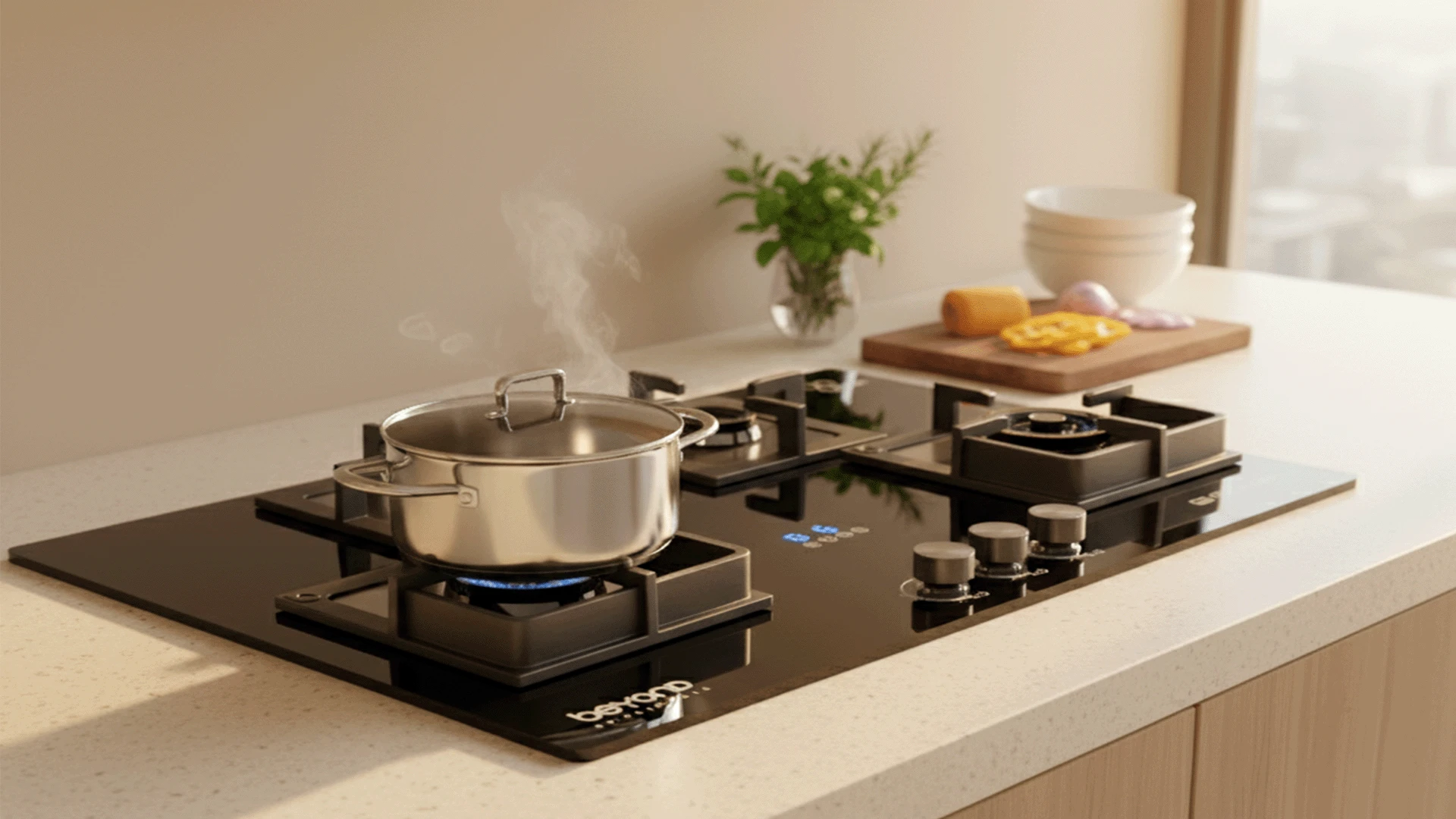
Your gas hob is one of the hardest-working appliances in your kitchen, handling daily cooking tasks with reliability and precision. Understanding how long your gas hob should last and what affects its gas hob lifespan helps you make informed decisions about maintenance, repairs, and eventual replacement. With proper care and regular maintenance, a quality gas hob can serve your family for many years, making it a worthwhile investment for your kitchen. This comprehensive guide covers everything you need to know about maximizing your hob's durability and recognizing when it's time for a change.
Most gas hobs deliver reliable performance for 10 to 15 years with regular use and proper maintenance. This average hob lifespan can extend to 20 years for premium models that receive excellent care. Several factors influence your cooktop lifespan, including build quality, usage frequency, and maintenance practices.
The frequency of use plays a significant role in determining gas stove durability. A hob used multiple times daily will naturally experience more wear than one used occasionally. Heavy cooking households might see their appliance reach replacement time closer to the 10-year mark, while light users often enjoy extended service life.
Build quality significantly affects how long your gas hob will last. Premium models feature robust construction materials, better sealing systems, and superior ignition components that resist wear over time.
Construction materials and component quality
Daily usage patterns and cooking intensity
Installation quality and proper ventilation
Regular cleaning and maintenance routines
Environmental factors like humidity and grease exposure
Proper gas hob maintenance is the key to extending your appliance's life and ensuring safe operation. Regular care prevents common problems and keeps your hob functioning efficiently. A well-maintained gas hob not only lasts longer but also performs better, providing consistent heat and reliable ignition.
Daily maintenance involves simple cleaning after each use, while weekly and monthly tasks address deeper cleaning needs. Following a structured maintenance schedule helps you catch potential issues early and maintain optimal performance throughout your hob's lifespan.
Simple daily habits make a huge difference in your hob's longevity. Clean spills immediately to prevent buildup and corrosion.
Wipe down surfaces after cooking
Clean burner grates while still warm
Check for gas leaks by smell
Ensure proper ventilation during use
Weekly cleaning prevents grease buildup and maintains proper gas flow through burner ports.
Remove and wash burner grates thoroughly
Clean burner caps and heads
Wipe control knobs and panel
Check ignition system function
A proper hob cleaning guide ensures you maintain your appliance without causing damage. Using the right cleaning products and techniques protects sensitive components while removing grease and food residue effectively. Regular cleaning is essential for both performance and safety.
Different parts of your gas hob require specific cleaning approaches. Burner components need gentle handling to avoid damage to gas ports, while the cooktop surface can handle more thorough cleaning methods.
Choose cleaning products that effectively remove grease without damaging your hob's finish or components.
Mild dish soap and warm water for regular cleaning
Baking soda paste for stubborn stains
White vinegar for mineral deposit removal
Soft brushes for burner port cleaning
Microfiber cloths for surface polishing
Follow this systematic approach to clean your gas hob thoroughly and safely.
Turn off gas supply and allow complete cooling
Remove grates, burner caps, and drip trays
Soak removable parts in warm soapy water
Clean burner heads with soft brush
Wipe cooktop surface with appropriate cleaner
Dry all components completely before reassembly
Recognizing early warning signs helps you address gas hob problems before they become serious safety concerns or expensive repairs. Understanding common issues and their symptoms allows you to take prompt action and potentially extend your hob's lifespan through timely maintenance.
Most gas hob problems develop gradually, giving you time to address them before they cause complete failure. Regular inspection during cleaning helps you spot these issues early.
Ignition problems are among the most common gas hob issues and often indicate maintenance needs.
Clicking sounds without ignition
Uneven or yellow flame patterns
Delayed ignition or flame lifting
Weak or inconsistent flames
Burners that won't stay lit
Some issues require professional attention for safety reasons. Never attempt repairs involving gas connections or internal components.
Persistent gas odors
Control valve malfunctions
Internal wiring problems
Gas pressure irregularities
Deciding between repair and replacement depends on several factors including age, repair costs, and safety considerations. Understanding when hob repair tips can solve problems versus when replacement makes more sense helps you make cost-effective decisions for your kitchen.
The general rule suggests replacement when repair costs exceed 50% of a new hob's price, especially for units over 10 years old. However, safety concerns should always take priority over cost considerations.
Evaluate repair versus replacement using these practical guidelines.
Compare repair costs to new hob prices
Consider age and remaining expected lifespan
Assess frequency of recent repairs
Evaluate energy efficiency improvements
Factor in warranty coverage for new units
Extending hob life requires consistent care and smart usage habits. Beyond regular cleaning, proper installation, adequate ventilation, and quality cookware all contribute to longer appliance life. Small investments in maintenance and care pay dividends in extended service life and reliable performance.
Professional installation ensures proper gas connections and ventilation, while regular professional servicing can catch potential problems early. These preventive measures often cost less than major repairs or premature replacement.
Annual professional servicing provides thorough inspection and maintenance beyond typical homeowner capabilities.
Gas pressure and connection testing
Internal component inspection
Safety system verification
Performance optimization
Warranty requirement compliance
A quality gas hob typically lasts 10-15 years with regular use and proper maintenance. Premium models can serve reliably for up to 20 years when well-cared for.
Usage frequency, maintenance quality, and build quality are the primary factors. Daily heavy use, poor cleaning habits, and budget construction materials can significantly reduce lifespan.
Replace your hob if it's over 15 years old, repair costs exceed 50% of replacement value, or if you notice persistent gas odors or safety concerns.
Annual professional servicing is recommended for optimal performance and safety. More frequent service may be needed for heavily used commercial-style hobs.
Yes, most warranties require proper maintenance and care. Keep cleaning records and follow manufacturer guidelines to maintain warranty coverage.
Minor repairs typically cost INR 2,000-5,000, while major repairs can reach INR 8,000-15,000. New gas hobs range from INR 15,000-50,000 depending on features and quality.
Your gas hob's lifespan depends largely on the care and maintenance you provide. With proper cleaning, regular professional servicing, and attention to early warning signs, you can maximize your appliance's performance and longevity. Remember that safety should always be your top priority – when in doubt about gas-related issues, consult qualified professionals. By following the maintenance guidelines and recognizing when repair or replacement makes sense, you'll ensure your kitchen remains safe, efficient, and ready for all your culinary adventures.
