

Essential Chimney Maintenance Checklist for Safety
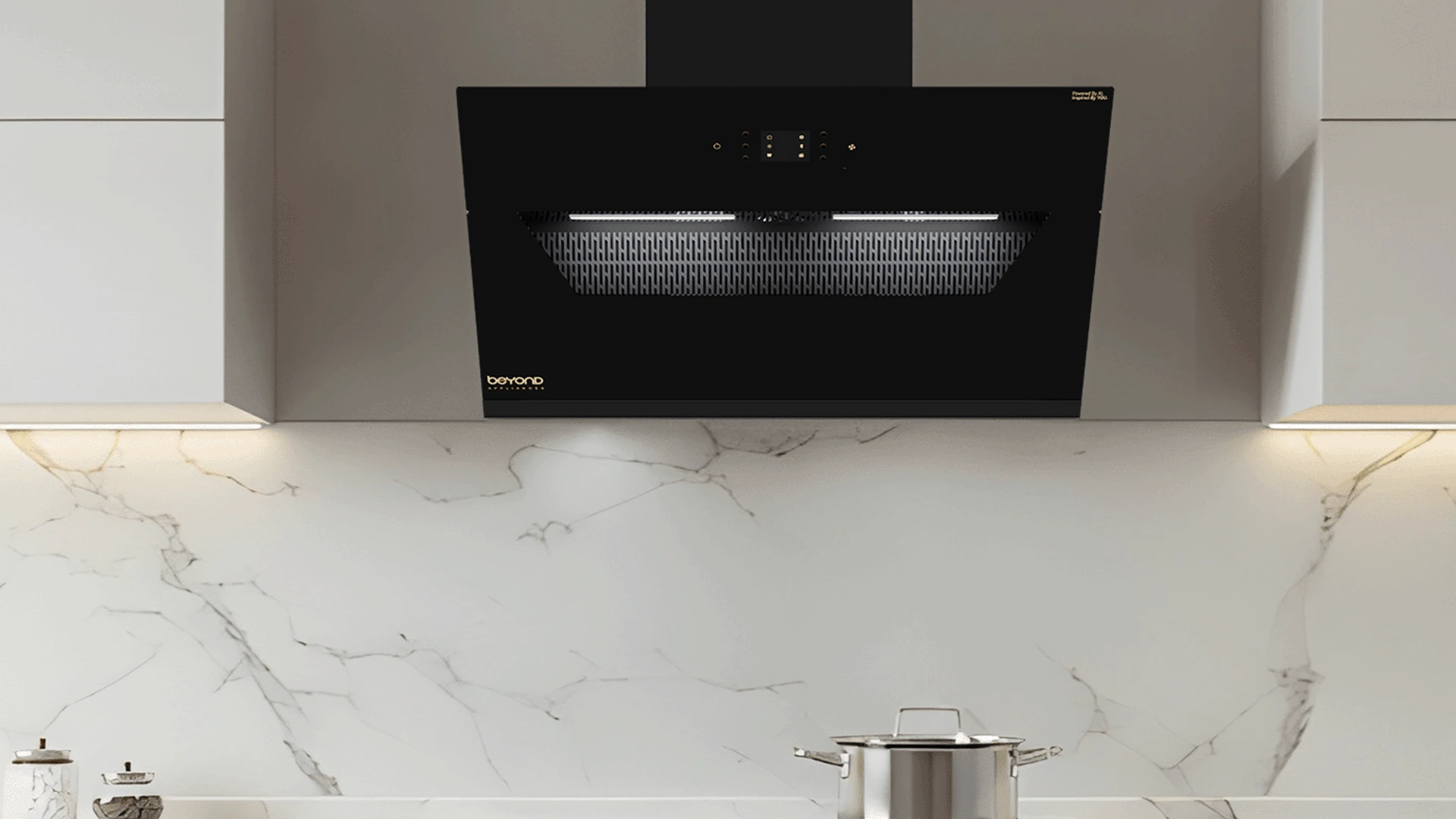
A well-maintained chimney is your home's silent guardian against fire hazards and carbon monoxide poisoning. Regular maintenance prevents costly repairs and ensures your family's safety year-round. This comprehensive checklist covers everything from basic inspections to professional services, helping you keep your fireplace chimney system in optimal condition. Whether you have a traditional masonry chimney or a modern kitchen chimney, following these guidelines will extend its lifespan and maintain peak performance.
Every chimney system consists of several critical components that work together to safely remove smoke and gases from your home. Understanding these parts helps you identify potential issues during routine inspections.
The chimney flue is the interior passage that carries smoke and gases upward and out of your home. This vertical channel must remain clear of obstructions to function properly. Regular inspection ensures proper airflow and prevents dangerous backdrafts.
A chimney liner protects the chimney walls from heat and corrosion while improving draft efficiency. Clay tiles, stainless steel, and aluminum liners each offer different benefits. Damaged liners require immediate replacement to prevent structural damage and safety hazards.
The chimney cap sits atop your chimney, preventing rain, snow, and animals from entering. A quality cap includes spark arrestors and proper ventilation. Missing or damaged caps lead to water damage and pest intrusion problems.
The chimney crown forms the top surface of your chimney, directing water away from the flue opening. Cracks in the crown allow water penetration, causing freeze-thaw damage. Regular sealing prevents costly structural repairs.
Professional chimney inspection should occur annually, preferably before the heating season begins. These thorough examinations identify safety hazards and maintenance needs before they become serious problems.
Schedule professional inspections in late summer or early fall. Certified technicians examine all system components, including hard-to-reach areas. They provide detailed reports with recommended repairs and maintenance priorities.
Monthly visual checks help catch problems early. Look for damaged mortar, rust stains, or white staining on exterior walls. Check for animal nests, debris, or vegetation growth around the chimney structure.
Certain symptoms demand immediate professional evaluation. Strong odors, smoke entering rooms, or visible damage require urgent chimney repair. Water leaks and rust on dampers also indicate serious issues.
Chimney cleaning removes dangerous creosote buildup and ensures proper ventilation. Regular maintenance prevents fire hazards and extends your chimney's operational life.
Most chimneys need annual cleaning, but usage patterns affect frequency. Heavy users may require semi-annual service. Chimney sweep professionals assess buildup levels and recommend appropriate schedules.
Choose certified chimney sweep professionals with proper insurance and local licensing. Verify their training credentials and request references from recent customers. Quality service providers offer detailed inspections alongside cleaning.
Burn only seasoned hardwood to minimize creosote formation. Avoid burning paper, cardboard, or treated lumber. Maintain proper air supply and ensure complete combustion for cleaner burning.
Chimney repair needs vary from minor mortar touch-ups to major structural work. Early intervention prevents small problems from becoming expensive disasters.
Safety-related repairs take precedence over cosmetic issues. Address structural damage, liner problems, and cap issues immediately. Schedule less urgent repairs during off-season periods for better pricing.
Look for tilting, cracking, or separation in chimney structures. Damaged bricks or loose mortar joints compromise stability. Professional evaluation determines repair scope and safety requirements.
Water causes most chimney deterioration over time. Install quality caps and maintain crown sealing. Address leaks promptly to prevent interior damage and mold growth.
Chimney maintenance requirements change with seasons. Following seasonal schedules ensures year-round safety and optimal performance.
Spring cleaning removes winter debris and assesses damage from freeze-thaw cycles. Check for animal nests and inspect exterior masonry. Schedule any needed repairs before summer weather.
Summer offers ideal conditions for major repairs and installations. Install new liners, caps, or crowns during dry weather. Perform deep cleaning and system upgrades during off-season periods.
Pre-season preparation ensures safe winter operation. Test dampers, clean fireboxes, and stock seasoned firewood. Schedule professional inspections before first use.
Understanding which tasks you can handle yourself versus those requiring professional expertise helps maintain safety while managing costs effectively.
Basic visual inspections and minor cleaning tasks are homeowner-friendly. Remove debris from caps and check for obvious damage. Monitor performance and document any changes in operation.
Structural repairs, liner installation, and thorough cleaning require professional expertise. Complex diagnostic work and safety-critical repairs need certified technicians. Never attempt repairs involving heights or structural modifications.
Annual chimney inspection is recommended for most homes. Heavy users or older systems may need more frequent evaluation. Professional assessment determines your specific requirements.
Strong odors, smoke entering rooms, or visible structural damage require immediate attention. Water leaks and damaged caps also need prompt chimney repair services.
Chimney cleaning involves specialized tools and safety equipment. Professional chimney sweep services ensure thorough cleaning and proper safety protocols.
Basic cleaning services range from INR 3,000 to INR 8,000 annually. Major repairs can cost INR 15,000 to INR 50,000 depending on scope and complexity.
Neglected chimneys pose fire hazards and carbon monoxide risks. Delayed chimney maintenance leads to expensive structural damage and potential safety emergencies.
Regular chimney maintenance protects your home and family from serious safety hazards. Following this comprehensive checklist ensures optimal performance and extends system lifespan. Professional inspections combined with homeowner vigilance create the most effective maintenance strategy. Remember that prevention costs far less than emergency repairs, making consistent care a wise investment in your home's safety and value.
