

Essential Checklist: Smoke Extraction for Safe Kitchens
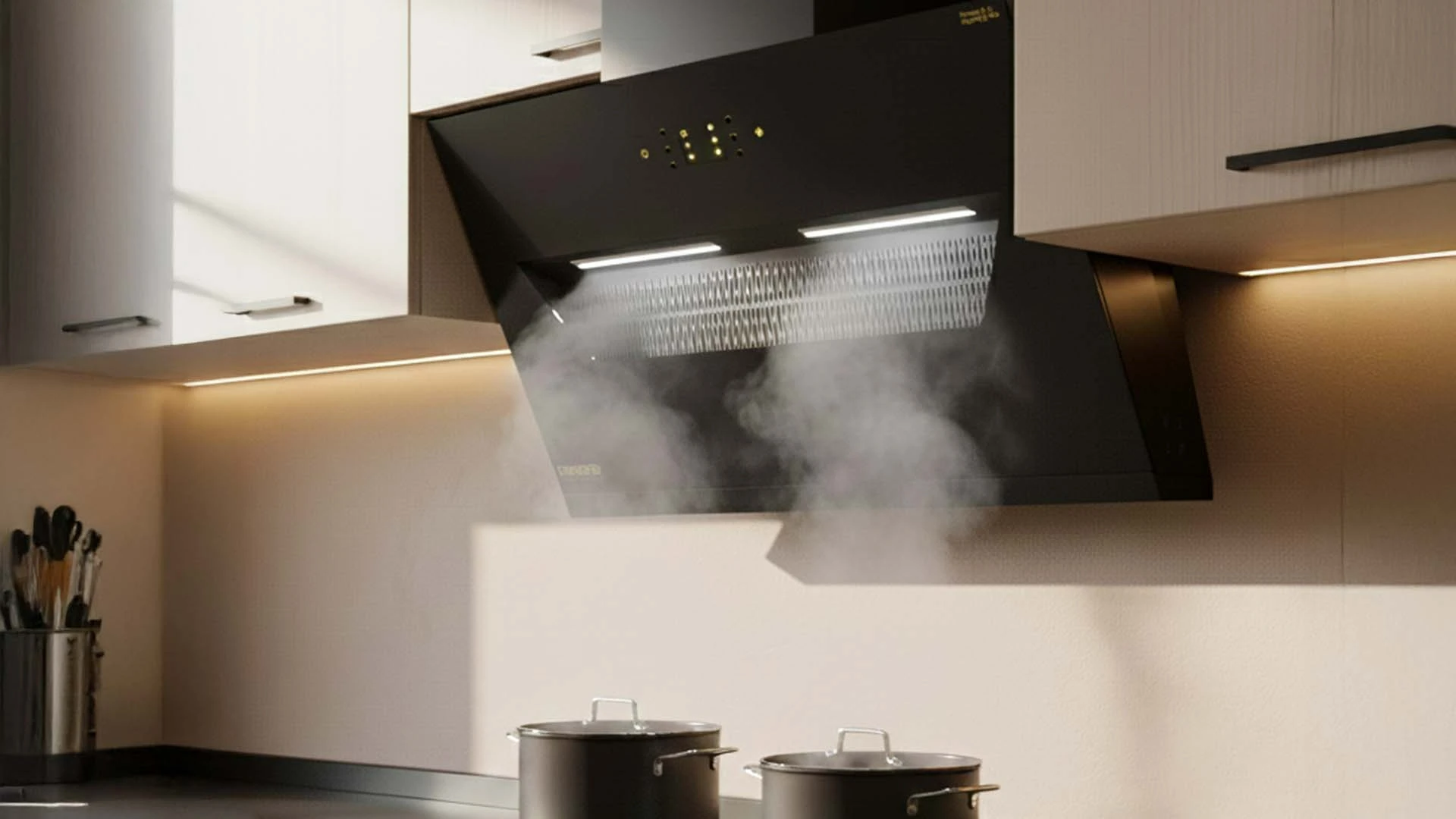
A well-functioning kitchen is the heart of every home, but without proper smoke extraction, it can quickly become a health hazard. Cooking generates more than just delicious aromas—it produces harmful fumes, grease particles, and combustion byproducts that can compromise your family's health and safety. The importance of smoke extraction extends far beyond eliminating cooking odors; it's about creating a safe, comfortable environment where families can gather and enjoy meals without worrying about air quality. Modern kitchens require comprehensive ventilation solutions that protect both immediate health and long-term wellbeing. Understanding how to implement effective smoke removal systems is essential for every homeowner who values kitchen safety and indoor air quality.
The importance of smoke extraction becomes clear when you consider the hidden dangers lurking in cooking smoke. Every time you cook, your kitchen fills with microscopic particles, volatile organic compounds, and potentially toxic gases that can accumulate to dangerous levels without proper ventilation. Cooking smoke contains harmful substances like aldehydes, nitrogen dioxide, and fine particulate matter that can trigger respiratory problems, especially in children and elderly family members. These pollutants don't just disappear—they settle on surfaces, penetrate fabrics, and continue circulating through your home's air system. Poor indoor air quality from inadequate smoke extraction has been linked to increased asthma symptoms, headaches, and long-term cardiovascular issues. Fire prevention represents another critical aspect of kitchen safety. Grease-laden air that isn't properly extracted can accumulate in ductwork and on surfaces, creating fire hazards. Professional-grade fume extraction systems help remove these combustible particles before they can ignite, significantly reducing kitchen fire risks.
Effective kitchen ventilation relies on properly designed systems that work together to maintain clean air. Modern ventilation solutions include several key components that must function harmoniously to achieve optimal results. Range hoods serve as the primary defense against cooking smoke, capturing contaminants at their source before they spread throughout your kitchen. These systems work by creating negative pressure that draws smoke, steam, and grease particles upward and away from cooking surfaces. The effectiveness depends on proper sizing—typically requiring 100-150 CFM (cubic feet per minute) per linear foot of cooking surface.
Ductwork design plays a crucial role in system performance. Properly sized ducts with minimal bends ensure efficient airflow and prevent backdrafts that can push contaminated air back into your kitchen. Smooth, straight runs work best, while sharp turns and undersized ducts reduce system effectiveness. Filtration systems capture grease and particles before they enter the ductwork. Baffle filters work well for heavy cooking, while mesh filters suit lighter cooking styles. Regular filter maintenance ensures consistent performance and prevents system overload.
Smoke extraction benefits extend far beyond basic odor control, creating measurable improvements in your home's environment and your family's quality of life. Proper ventilation systems deliver immediate and long-term advantages that justify the investment. Immediate air purification occurs as soon as effective extraction systems activate. Within minutes, harmful particles and gases are removed from your breathing space, creating a noticeably cleaner environment. This rapid response prevents the accumulation of pollutants that would otherwise linger for hours.
Families with effective cooking smoke removal systems report fewer respiratory symptoms and improved overall comfort while cooking. The elimination of eye irritation, coughing, and headaches makes cooking more enjoyable and safer for everyone. Energy efficiency gains result from reduced strain on your home's HVAC system. When cooking contaminants are properly extracted, your air conditioning doesn't work overtime to filter and cool polluted air, leading to lower energy bills and extended equipment life.
Creating a healthy cooking environment requires systematic planning and implementation. This comprehensive checklist ensures your smoke extraction system meets all safety and performance requirements. Before installation, assess your kitchen's specific needs. Measure cooking surface dimensions, evaluate existing electrical capacity, and determine optimal hood placement. Consider your cooking style—frequent high-heat cooking requires more powerful extraction than occasional light cooking.
• Calculate required CFM capacity based on cooking surface size and cooking intensity • Verify electrical requirements and upgrade circuits if necessary • Plan ductwork routing to minimize bends and maximize efficiency • Check local building codes and permit requirements • Assess structural support for hood installation
• Choose appropriate hood style (wall-mounted, island, or under-cabinet) • Select proper fan size and speed controls • Determine filter type based on cooking habits • Consider noise levels and operation preferences • Evaluate smart features and automation options
• Ensure proper hood height (24-30 inches above cooking surface) • Install adequate makeup air if required by local codes • Test system performance at all speed settings • Verify proper ductwork sealing and support • Confirm quiet operation and effective smoke capture
Modern smoke control systems incorporate sophisticated technologies that enhance performance while reducing energy consumption. These advanced features make ventilation systems more responsive, efficient, and user-friendly. Smart sensors automatically detect cooking activity and adjust fan speeds accordingly. Heat and smoke sensors trigger immediate response when needed, while humidity sensors help manage steam from boiling and steaming. This automation ensures optimal performance without constant manual adjustment.
Variable speed motors adapt to cooking intensity, providing powerful extraction when needed while operating quietly during light cooking. This technology reduces energy consumption by up to 70% compared to single-speed systems. Heat recovery ventilation captures waste heat from extracted air, using it to pre-warm incoming fresh air. This feature significantly reduces heating costs during colder months while maintaining excellent air quality.
Sustaining excellent indoor air quality requires consistent maintenance and monitoring. Regular care ensures your extraction system continues delivering optimal performance while extending equipment life. Monthly filter inspections prevent grease buildup that reduces system efficiency. Clean or replace filters based on cooking frequency and intensity. Heavy cooking requires more frequent attention, while light cooking allows longer intervals between maintenance.
Quarterly ductwork inspections identify potential issues before they affect performance. Look for grease accumulation, loose connections, or damage that could compromise system effectiveness. Annual professional servicing includes motor lubrication, electrical connection checks, and performance testing. Professional technicians can identify worn components and recommend upgrades that improve efficiency and reliability.
Kitchen smoke extraction removes harmful fumes, grease particles, and combustion byproducts to maintain safe indoor air quality and prevent fire hazards. It protects your family's health while keeping your kitchen clean and comfortable.
Professional servicing every 6-12 months ensures optimal performance, with monthly filter checks and quarterly self-inspections. Heavy cooking may require more frequent maintenance.
Calculate 100-150 CFM per linear foot of cooking surface, with a minimum 400 CFM for standard residential kitchens. High-heat cooking requires higher capacity systems.
Yes, inadequate ventilation can cause respiratory issues, headaches, and long-term health problems from exposure to cooking pollutants. Proper extraction protects your family's wellbeing.
Lingering odors, visible smoke accumulation, grease buildup, fogged windows, and excessive humidity levels indicate ventilation problems requiring immediate attention.
Effective smoke extraction forms the foundation of kitchen safety and family health. By understanding the importance of proper ventilation, selecting appropriate systems, and maintaining them consistently, you create a cooking environment that protects your loved ones while enhancing your culinary experience. Remember that investing in quality extraction systems pays dividends in improved air quality, reduced health risks, and increased home value. Take action today to assess your current ventilation and implement the improvements your kitchen needs for optimal safety and performance.
