

Essential Checklist: Small Kitchen Ventilation Guide
Small kitchens present unique challenges when it comes to proper air circulation and odor control. Without adequate ventilation for small kitchens, cooking smoke, grease particles, and moisture can quickly overwhelm compact spaces, leading to poor indoor air quality and potential health concerns. The confined nature of small kitchens means that every cooking session can create a concentrated buildup of airborne contaminants that need immediate removal. This comprehensive guide provides essential insights into creating effective kitchen ventilation systems that work specifically for smaller spaces, ensuring your cooking environment remains fresh, clean, and comfortable.
Proper kitchen ventilation becomes even more critical in compact cooking spaces where air circulation naturally faces greater restrictions. Small kitchens typically have limited wall space, lower ceilings, and fewer windows, creating an environment where cooking byproducts concentrate rapidly. Without effective ventilation systems, these spaces can develop persistent odors, excessive humidity, and airborne grease particles that settle on surfaces throughout the kitchen. Poor kitchen air quality in small spaces can lead to several health and comfort issues. Cooking smoke contains fine particulate matter that can irritate respiratory systems, particularly problematic for individuals with asthma or allergies. Excess moisture from cooking can promote mold growth in corners and behind appliances, while grease particles create sticky residues that attract dust and bacteria. The confined nature of small kitchens means these problems develop faster and require more immediate attention than in larger cooking spaces.
Small kitchens face specific obstacles that make traditional ventilation approaches less effective. Limited ceiling height restricts the natural rise of hot air and cooking vapors, while narrow layouts can create dead air zones where contaminants accumulate. Many small kitchens also lack exterior walls for direct ducting, requiring creative solutions for effective air removal.
Maintaining healthy kitchen air requires removing cooking contaminants within minutes of generation. Professional guidelines recommend complete air changes every 4-6 minutes during active cooking, with background ventilation maintaining fresh air circulation even when the kitchen is not in use.
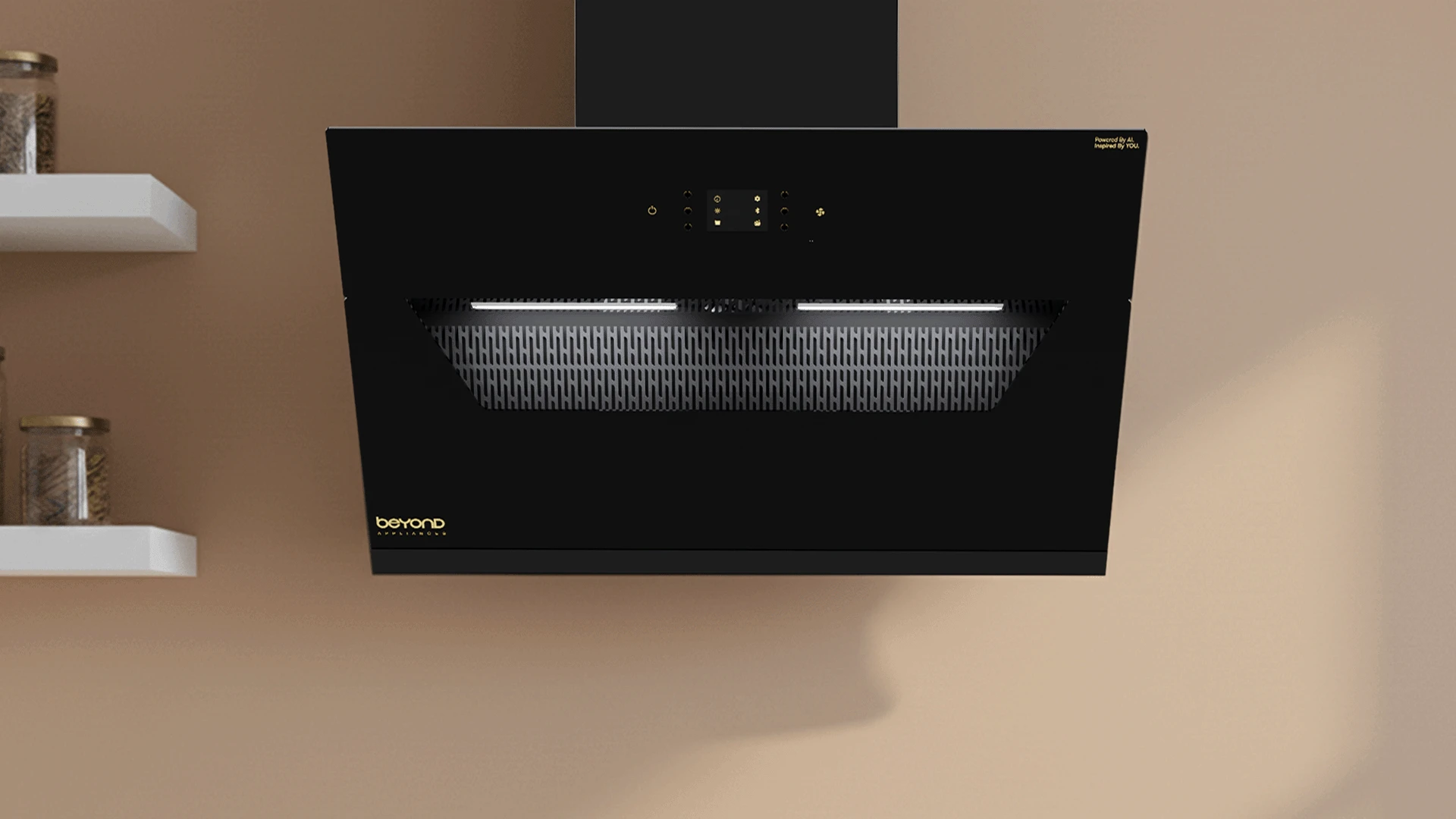
Selecting appropriate ventilation solutions for small kitchens requires understanding the various system types and their space requirements. Each ventilation method offers distinct advantages for compact cooking environments, with some options specifically designed to maximize efficiency while minimizing space consumption. Range hoods represent the most common and effective kitchen ventilation solution for small spaces. Under-cabinet models fit seamlessly beneath existing cabinetry, providing powerful extraction without consuming valuable storage space. Wall-mounted range hoods offer flexibility in placement and can accommodate various kitchen layouts, while compact island hoods work well for small kitchens with central cooking areas.
Dedicated kitchen exhaust fan systems provide targeted air removal for small kitchens where traditional range hoods may not fit. Ceiling-mounted exhaust fans can be positioned directly above cooking areas, while wall-mounted units offer flexibility in placement and installation requirements.
Strategic window placement and cross-ventilation can supplement mechanical systems in small kitchens. Opening windows on opposite sides of the kitchen creates natural air movement that helps remove cooking odors and moisture without requiring electrical power.
Ductless systems offer installation flexibility for small kitchens where exterior ducting is impractical, while ducted systems provide superior contaminant removal by exhausting air directly outside the home.
Determining appropriate airflow capacity for small kitchen ventilation requires understanding CFM (cubic feet per minute) calculations specific to compact spaces. Unlike larger kitchens that may require 900+ CFM systems, small kitchens typically achieve effective ventilation with 300-600 CFM capacity, depending on cooking habits and kitchen dimensions. The basic CFM calculation for small kitchens involves multiplying kitchen volume by recommended air changes per hour, then dividing by 60 minutes. For a typical small kitchen measuring 8x10 feet with 8-foot ceilings, the volume equals 640 cubic feet. Multiplying by 15 air changes per hour yields 9,600 cubic feet per hour, or 160 CFM for background ventilation. However, active cooking requires higher capacity, typically 300-400 CFM for effective contaminant removal.
Cooking frequency significantly impacts ventilation requirements, with daily cooking requiring more robust systems than occasional meal preparation. Kitchen size determines air volume, while ceiling height affects natural air movement and system placement options.
Building codes typically require minimum ventilation rates based on kitchen size and appliance types. Professional installers can assess specific kitchen layouts and recommend appropriate CFM ratings that meet both code requirements and practical cooking needs.
Implementing effective kitchen ventilation ideas in small spaces requires creative approaches that maximize air removal while preserving valuable storage and workspace. Modern ventilation technology offers numerous compact solutions specifically designed for small kitchen applications. Slim-profile range hoods provide powerful extraction in packages as narrow as 24 inches, perfect for small kitchens with limited wall space. Retractable hoods extend during cooking and retract flush with cabinetry when not in use, preserving the clean lines essential in compact kitchen designs. These space-saving designs maintain full ventilation capacity while adapting to the spatial constraints of small kitchens.
Combination microwave-hood units serve dual purposes in small kitchens, providing both cooking convenience and ventilation in a single appliance. These units typically mount under cabinets and offer 300-400 CFM ventilation capacity alongside standard microwave functions.
Corner installations maximize ventilation coverage in L-shaped small kitchens, while angled hoods can accommodate sloped ceilings or unusual architectural features common in compact spaces.
Flush-mount ceiling systems provide powerful extraction without consuming wall space, ideal for small kitchens where every inch of storage matters. Recessed systems integrate seamlessly with kitchen lighting for a clean, uncluttered appearance.
Successful small kitchen ventilation installation requires careful planning to address the unique constraints of compact spaces. Pre-installation assessment should evaluate existing electrical capacity, available ducting routes, and structural considerations that may affect system placement. Electrical requirements vary by system type, with most range hoods requiring dedicated 120V circuits and adequate amperage for motor operation. Ductwork planning becomes particularly important in small kitchens where space limitations may require creative routing through cabinets or walls. Professional installation ensures proper electrical connections, secure mounting, and optimal ductwork configuration for maximum efficiency.
Local building codes specify minimum ventilation requirements, clearance distances from cooking surfaces, and electrical safety standards. Professional installers ensure compliance with all applicable codes while optimizing system performance for specific kitchen layouts.
Planning for ongoing maintenance access prevents future service difficulties in tight spaces. Filter locations, motor access, and ductwork cleaning points should remain easily reachable for regular maintenance tasks.
Achieving optimal indoor air quality in small kitchens often requires supplementing primary ventilation systems with additional air quality measures. Portable air purifiers can provide continuous filtration between cooking sessions, while built-in air cleaning systems offer permanent solutions for ongoing air quality maintenance. Strategic window ventilation enhances mechanical systems by providing natural air movement and fresh air introduction. Trickle vents allow controlled air exchange without creating uncomfortable drafts, while strategic window opening during and after cooking accelerates contaminant removal. Coordinating natural and mechanical ventilation maximizes air quality improvements while minimizing energy consumption.
Simple changes in cooking practices can significantly reduce ventilation demands in small kitchens. Using lids while cooking reduces steam and odor generation, while managing cooking temperatures prevents excessive smoke production.
Controlling moisture levels prevents condensation problems common in small kitchens. Proper ventilation during cooking, combined with adequate air circulation, maintains comfortable humidity levels and prevents mold growth.
Effective small kitchen ventilation combines mechanical extraction with natural air movement. Install a properly sized range hood or kitchen exhaust fan rated for your kitchen's CFM requirements. Keep windows open during and after cooking to supplement mechanical ventilation. Position portable fans to direct air toward exterior openings, and ensure your primary ventilation system operates for several minutes after cooking completion.
The best kitchen ventilation depends on your specific kitchen layout and cooking habits. Ducted range hoods provide superior contaminant removal by exhausting air directly outside. For small kitchens, under-cabinet or wall-mounted models typically offer the best combination of effectiveness and space efficiency. Choose systems with 300-600 CFM capacity for most small kitchen applications.
Building codes typically require minimum background ventilation rates and mechanical extraction during cooking. Most jurisdictions specify ventilation rates based on kitchen size and cooking appliance types. Professional assessment ensures your ventilation solutions meet local requirements while providing adequate air quality for your specific cooking needs.
Small kitchens typically require 300-600 CFM for effective ventilation during active cooking. Calculate your specific needs by considering kitchen volume, cooking frequency, and appliance types. Ensure your chosen system provides adequate coverage for your cooktop area while meeting local building code requirements.
Creating effective ventilation for small kitchens requires understanding the unique challenges of compact spaces and selecting appropriate solutions that maximize air quality while preserving valuable space. Proper CFM sizing, strategic system placement, and integration with natural ventilation methods ensure optimal kitchen air quality regardless of kitchen size. Regular maintenance and thoughtful cooking practices further enhance ventilation effectiveness, creating a healthy kitchen environment that supports both comfort and culinary success.
