

Essential Checklist: Protect Your Kitchen Air Now
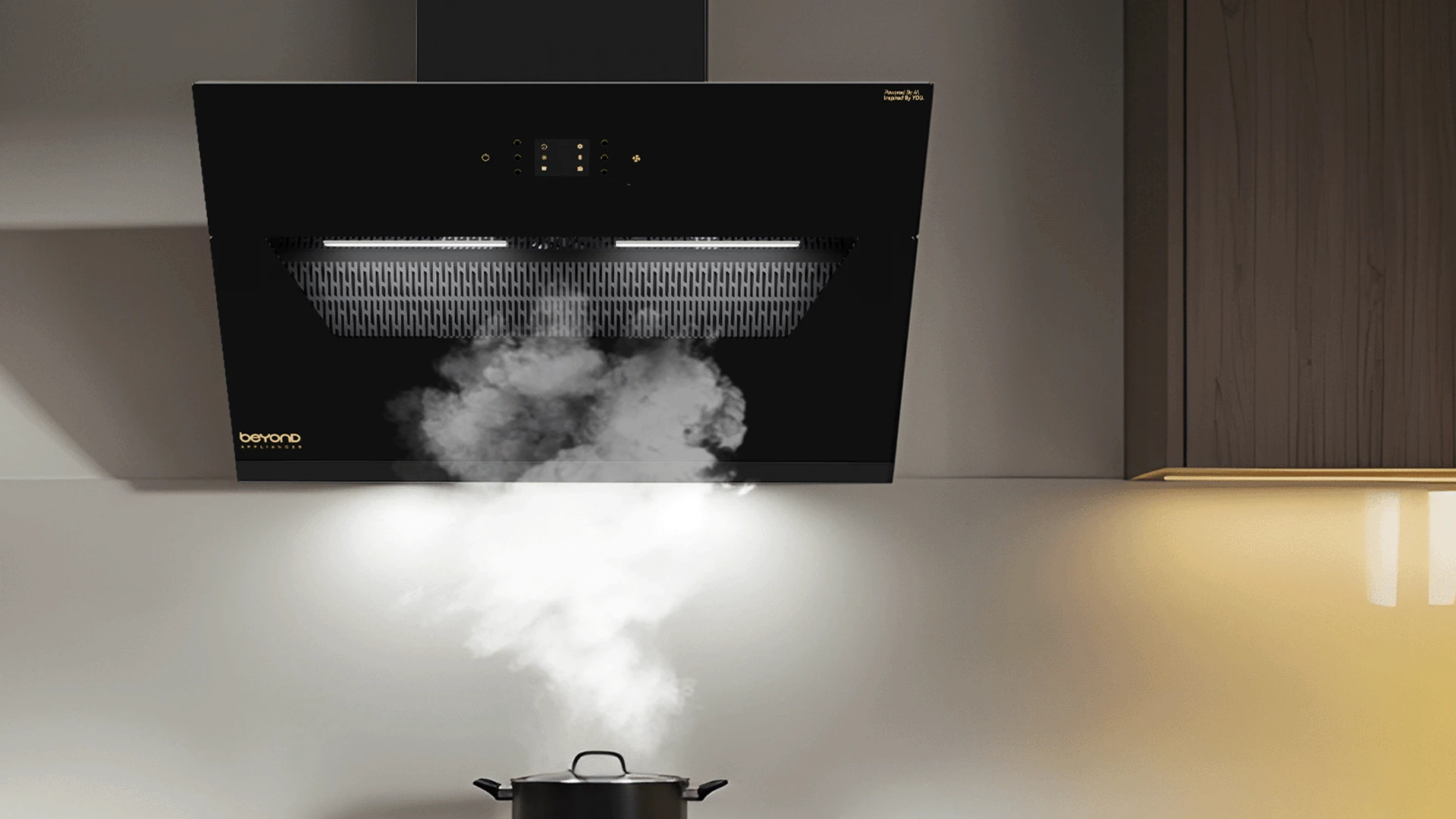
Your kitchen might look clean and organized, but there's an invisible threat that could be compromising your family's health every single day. Every time you cook, harmful fumes and particles fill the air around you, creating indoor air pollution that can be significantly worse than outdoor pollution. Understanding why fume extraction is important isn't just about comfort—it's about protecting your family's long-term health and creating a truly safe cooking environment.
Cooking releases a complex mixture of pollutants that most homeowners never think about. These invisible threats include fine particulate matter (PM2.5), volatile organic compounds (VOCs), nitrogen dioxide, and carbon monoxide. Research shows that kitchen air quality can deteriorate dramatically during cooking, with pollution levels reaching 2-5 times higher than outdoor air in busy urban areas.
The moment you start cooking without proper ventilation, your body begins responding to airborne pollutants. Common immediate effects include respiratory irritation, difficulty breathing, and eye and throat discomfort. People with asthma or allergies often experience worsened symptoms within minutes of exposure to cooking fumes.
Prolonged exposure to cooking fumes health risks extends far beyond temporary discomfort. Studies link poor kitchen air quality to increased cardiovascular disease risk, potential lung damage, and reduced immune system function. Children, elderly family members, and pregnant women face particularly serious health risks from ongoing exposure to cooking pollutants.
Effective fume extraction goes beyond simply removing cooking odors—it's a comprehensive approach to maintaining healthy indoor air. Modern ventilation systems capture pollutants at their source, preventing them from spreading throughout your home. The importance of ventilation becomes clear when you understand that proper extraction can remove up to 95% of cooking-related pollutants before they affect your family's health.
Quality fume extraction provides instant benefits you can see and feel. Cooking odors disappear quickly, visible smoke clears rapidly, and the overall comfort of your kitchen improves dramatically. Proper ventilation also prevents moisture and grease buildup that can damage your kitchen surfaces over time.
Beyond health benefits, effective fume extraction benefits include protecting your home investment. Proper ventilation prevents wall and ceiling staining, reduces cleaning requirements, and protects kitchen appliances from grease damage. Your home maintains better air quality throughout, preserving both comfort and property value.
Creating a healthy cooking environment requires the right combination of ventilation equipment and smart practices. Modern kitchen chimneys and range hoods offer powerful extraction capabilities, with options including Android chimneys with smart controls, T-shaped designs for wall mounting, and curved models that blend seamlessly with contemporary kitchen designs. Slant or inclined chimneys work perfectly for kitchens with space constraints, while ductless options provide flexibility for apartments and condos.
Selecting appropriate ventilation depends on your kitchen size, cooking habits, and layout. Calculate the required air changes per hour based on your kitchen's cubic footage. Ducted systems typically provide superior performance for heavy cooking, while ductless models with advanced filtration work well for moderate cooking needs.
Modern air purification methods combine multiple technologies for comprehensive protection. HEPA filtration removes fine particles, activated carbon eliminates odors, and some systems include UV-C technology for additional microbial control. These advanced features ensure your kitchen air stays clean and healthy.
Implementing safe kitchen practices maximizes your ventilation system's effectiveness. Start your extraction system before you begin cooking, not after smoke appears. This proactive approach captures pollutants from the moment they're generated, preventing them from spreading throughout your kitchen and home.
Simple daily practices significantly improve kitchen air quality. Use pot lids when possible to contain steam and particles. Cook at appropriate temperatures to minimize smoke production. Open windows strategically to create cross-ventilation that supports your mechanical extraction system. Regular cleaning of filters and surfaces prevents pollutant buildup.
Effective removing cooking odors requires understanding why some smells persist despite ventilation. Certain cooking methods produce particles that cling to surfaces, requiring both immediate extraction and ongoing air circulation. Strong-smelling foods like fish or spices need extended ventilation periods to completely clear the air.
When cooking produces strong odors, run your ventilation system for at least 15 minutes after cooking ends. Natural deodorizing methods like simmering cinnamon or vanilla can help, but shouldn't replace proper mechanical ventilation. Strategic fan placement can help move air toward your extraction system for faster odor removal.
While some air quality improvements can be DIY projects, proper ventilation system installation often requires professional expertise. Professional installation ensures optimal performance, code compliance, and warranty protection. However, you can immediately improve air quality with portable air purifiers, better cooking practices, and regular maintenance of existing systems.
Immediate improvements under INR 5,000 include portable air purifiers and improved cooking habits. Medium investments of INR 5,000-50,000 might include upgrading range hood filters or adding supplementary ventilation fans. Major investments in comprehensive ventilation systems typically range from INR 50,000-200,000 but provide long-term health and home value benefits.
Kitchen fume extraction systems remove harmful cooking fumes, smoke, grease particles, and odors from your kitchen air, protecting your health and maintaining indoor air pollution at safe levels.
Key benefits include reduced exposure to cooking pollutants, elimination of odors, prevention of grease buildup, improved comfort, and protection against long-term health risks associated with poor air quality.
Poor kitchen air quality can cause immediate respiratory irritation and contribute to long-term health issues including cardiovascular disease, lung problems, and aggravated allergies, especially in vulnerable family members.
Signs of inadequate ventilation include lingering odors, visible smoke accumulation, condensation on windows, and grease buildup on surfaces near cooking areas. If you notice these signs, your current system needs improvement.
Range hoods capture and exhaust fumes at the source, while air purifiers filter air throughout the room. Both can work together for optimal kitchen air quality, with range hoods providing primary protection and air purifiers offering supplementary filtration.
Protecting your kitchen air isn't optional—it's essential for your family's health and home's long-term value. Understanding why fume extraction is important helps you make informed decisions about ventilation systems and daily practices. Whether you choose a powerful ducted system or start with simple improvements, taking action to improve your kitchen air quality provides immediate and long-term benefits. Remember that effective ventilation combines proper equipment, smart cooking practices, and regular maintenance to create the healthiest possible cooking environment for your family.
