

Essential Checklist: Mastering Kitchen Suction for Indian Cooking
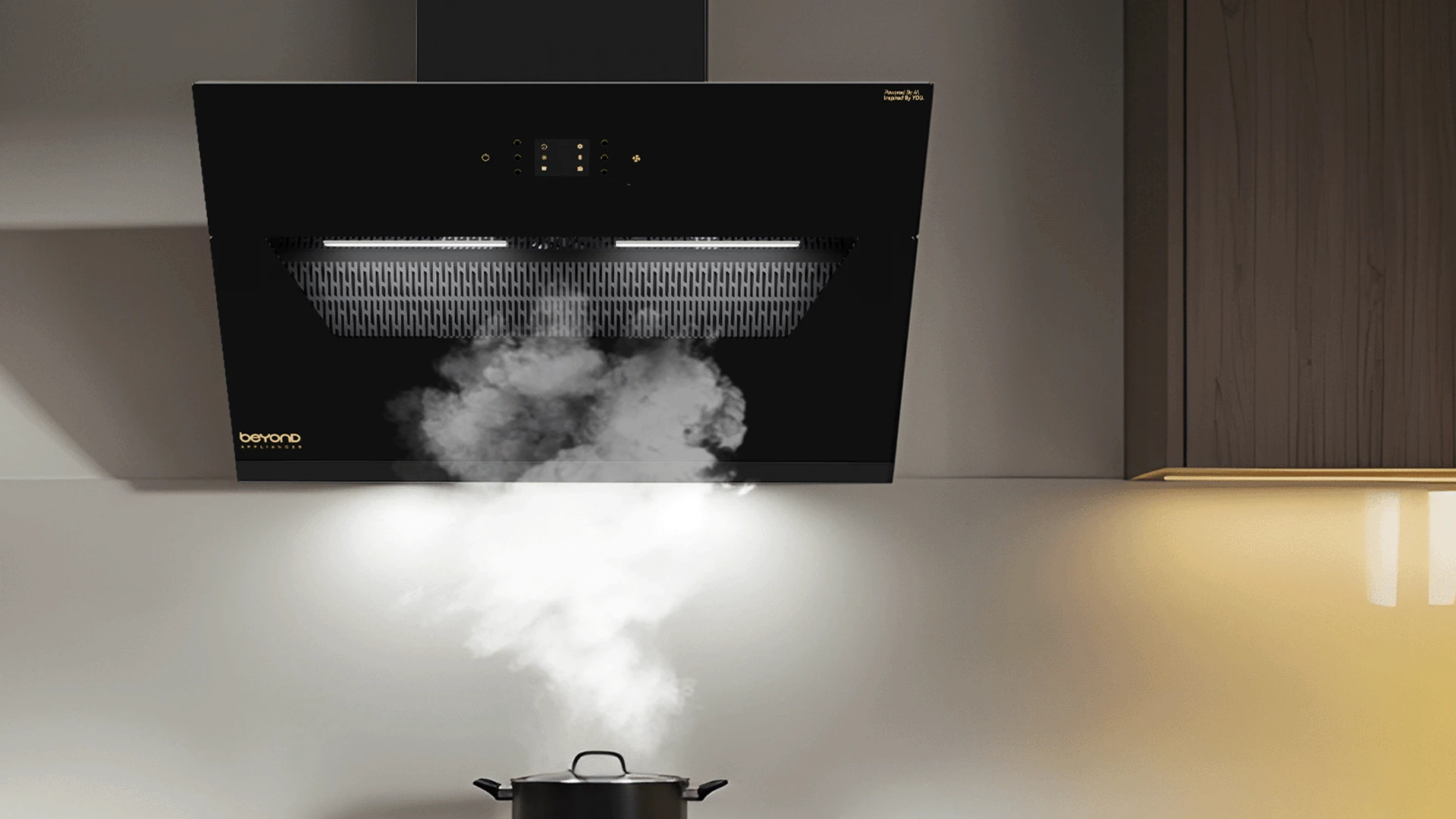
Indian cooking creates unique challenges for kitchen ventilation that many homeowners underestimate. The combination of high-heat cooking, aromatic spices, and oil-based preparations generates significantly more smoke, steam, and airborne particles than typical Western cooking methods. Understanding why indian cooking higher suction explained becomes crucial helps you create a healthier, more comfortable cooking environment. Poor ventilation doesn't just affect air quality—it impacts the taste of your food, the cleanliness of your kitchen, and even your family's respiratory health. This comprehensive guide will help you master the art of kitchen suction specifically tailored for Indian cuisine.
Indian cooking demands superior ventilation due to its distinctive cooking techniques and ingredients. Traditional indian cooking involves high-temperature frying, tempering spices in hot oil, and using multiple burners simultaneously. These methods produce substantial amounts of smoke, grease particles, and aromatic compounds that standard ventilation systems struggle to handle effectively. The science behind cooking ventilation reveals that Indian cuisine generates 3-4 times more airborne particles than conventional cooking. Spices like turmeric, red chili powder, and garam masala create fine particles that can linger in the air for hours without proper extraction. Additionally, techniques like tadka (tempering) and deep frying produce oil vapors that settle on surfaces, creating stubborn grease buildup. Poor kitchen air quality from inadequate suction affects more than comfort. Prolonged exposure to cooking fumes can irritate respiratory systems, especially for family members with asthma or allergies. The lingering odors can permeate throughout your home, affecting other rooms and even clothing. Moreover, insufficient ventilation leads to moisture buildup, potentially causing mold growth and damage to kitchen cabinets and walls.
Calculating the right chimney suction power for your kitchen requires understanding the relationship between room size, cooking intensity, and air circulation needs. The fundamental principle involves determining how many times the kitchen air should be completely replaced per hour during cooking.
The basic calculation multiplies your kitchen's volume by 10-12 for Indian cooking. For a kitchen measuring 10 feet × 8 feet × 9 feet (720 cubic feet), you need approximately 900-1080 cubic meters per hour (m³/h) suction capacity. Small kitchens under 80 square feet typically require 700-1200 m³/h, while larger kitchens over 120 square feet need 1300-1500 m³/h or higher.
This rule ensures complete air replacement every 6 minutes during active cooking. For Indian cooking, consider increasing this to 12x due to higher particle generation. Calculate your kitchen volume in cubic meters, then multiply by 12 to determine minimum suction requirements.
Vegetarian cooking typically requires 20% less suction than non-vegetarian preparations. However, certain vegetarian techniques like making parathas or frying pakoras generate significant smoke. Frequency matters too—daily heavy cooking demands higher capacity than occasional elaborate meal preparation.
Different Indian cooking approaches require varying levels of ventilation power. Understanding these requirements helps you choose the right range hood or chimney system for your specific needs.
This category includes steaming rice, boiling dal, light sautéing, and pressure cooking. These methods produce minimal smoke and require basic ventilation. A chimney with 700-900 m³/h capacity sufficiently handles these cooking styles. Look for models with variable speed controls to adjust suction based on cooking intensity.
Deep frying, making rotis on high flame, tandoor-style cooking, and simultaneous multi-burner use fall into this category. These techniques generate substantial smoke and require robust smoke extraction. Chimneys in this range should feature powerful motors and efficient filter systems to handle the increased load.
Large family cooking, frequent entertaining, or running a home-based food business requires commercial-grade ventilation. These high-capacity systems handle continuous heavy cooking while maintaining optimal air quality. Consider professional installation and regular maintenance for these powerful units.
Selecting between a kitchen exhaust fan and a range hood depends on your cooking habits, kitchen layout, and budget considerations. Each option offers distinct advantages for Indian cooking scenarios.
Basic exhaust fans work adequately for minimal cooking, small kitchens, or as supplementary ventilation. They're cost-effective and easy to install but lack the focused suction power needed for heavy Indian cooking. Consider exhaust fans for guest kitchens or secondary cooking areas.
Range hoods provide targeted suction directly above cooking surfaces, making them ideal for Indian cooking. They capture smoke and vapors at the source before they spread throughout the kitchen. Modern range hoods offer features like auto-clean technology, LED lighting, and variable speed controls specifically beneficial for Indian cuisine.
Combining range hoods with exhaust fans creates comprehensive ventilation coverage. This approach works well for large kitchens or open-plan layouts where cooking odors might spread to adjacent areas. The range hood handles primary cooking ventilation while exhaust fans manage overall air circulation.
Choosing the right ventilation system involves evaluating specific features that enhance performance for indian cuisine preparation. These features directly impact efficiency, maintenance, and long-term satisfaction.
Auto-clean chimneys use heat to break down grease deposits, reducing maintenance requirements significantly. This feature proves especially valuable for Indian cooking, which generates substantial grease from oil-based preparations. The technology extends filter life and maintains consistent suction performance.
Baffle filters excel at separating grease from air streams, making them ideal for heavy Indian cooking. Filterless systems rely on centrifugal force and work well for moderate cooking. Consider your cooking intensity when choosing between these options.
Higher suction typically means increased noise levels. Look for chimneys with noise levels below 58 decibels while maintaining adequate suction power. Quality motor design and proper installation significantly impact noise generation.
Proper ducting ensures optimal performance and prevents backdraft issues. Straight, short duct runs work best, while multiple bends reduce efficiency. Consider ductless options for kitchens where external ducting isn't feasible.
Effective ventilation supports not just comfort but also the nutritional quality of your healthy indian recipes. Proper air circulation prevents the degradation of heat-sensitive nutrients and maintains the authentic flavors of your dishes.
Inadequate ventilation allows cooking odors to recirculate, potentially affecting the taste of delicate dishes. Steam buildup can make crispy foods soggy and interfere with proper browning. Good ventilation preserves the intended textures and flavors of your culinary creations.
Strong ventilation prevents aromatic compounds from previous cooking sessions from affecting new dishes. This separation is crucial when preparing multiple courses or when cooking styles vary significantly within the same meal.
Effective ventilation removes harmful particles and gases produced during high-heat cooking. This reduction is particularly important for households with elderly members, children, or individuals with respiratory sensitivities.
Regular cleaning and maintenance ensure consistent performance. Clean filters monthly, check duct connections quarterly, and schedule professional servicing annually. Proper maintenance extends equipment life and maintains optimal suction capacity.
For regular Indian cooking, choose chimneys with 1200-1500 m³/h capacity. This range handles most cooking techniques effectively while providing room for occasional heavy cooking sessions.
Multiply your kitchen's length × width × height in meters, then multiply by 12 for Indian cooking requirements. Add 20% extra capacity if you cook frequently or use multiple burners simultaneously.
Indian cooking involves high-heat techniques, oil-based preparations, and aromatic spices that generate more smoke, steam, and airborne particles than typical cooking methods.
The 1500 m³/h capacity provides 25% more air circulation, making it better for larger kitchens, heavy cooking, or when using multiple burners simultaneously.
Regular exhaust fans lack the focused suction power needed for Indian cooking. They work as supplementary ventilation but cannot replace a proper range hood for heavy cooking.
Clean baffle filters monthly with warm soapy water. Auto-clean chimneys require less frequent manual cleaning but should be inspected monthly for optimal performance.
Mastering kitchen suction for Indian cooking requires understanding the unique demands of this cuisine and selecting appropriate ventilation solutions. Calculate your suction requirements based on kitchen size and cooking intensity, typically requiring 1200-1500 m³/h for regular Indian cooking. Invest in quality range hoods with features like auto-clean technology and efficient filter systems. Regular maintenance ensures optimal performance and extends equipment life. Remember that proper ventilation is an investment in your family's health, your kitchen's cleanliness, and the quality of your culinary creations. Choose systems that match your cooking style and maintain them properly for years of effective service.
