

Essential Checklist: Kitchen Chimney Installation Guide
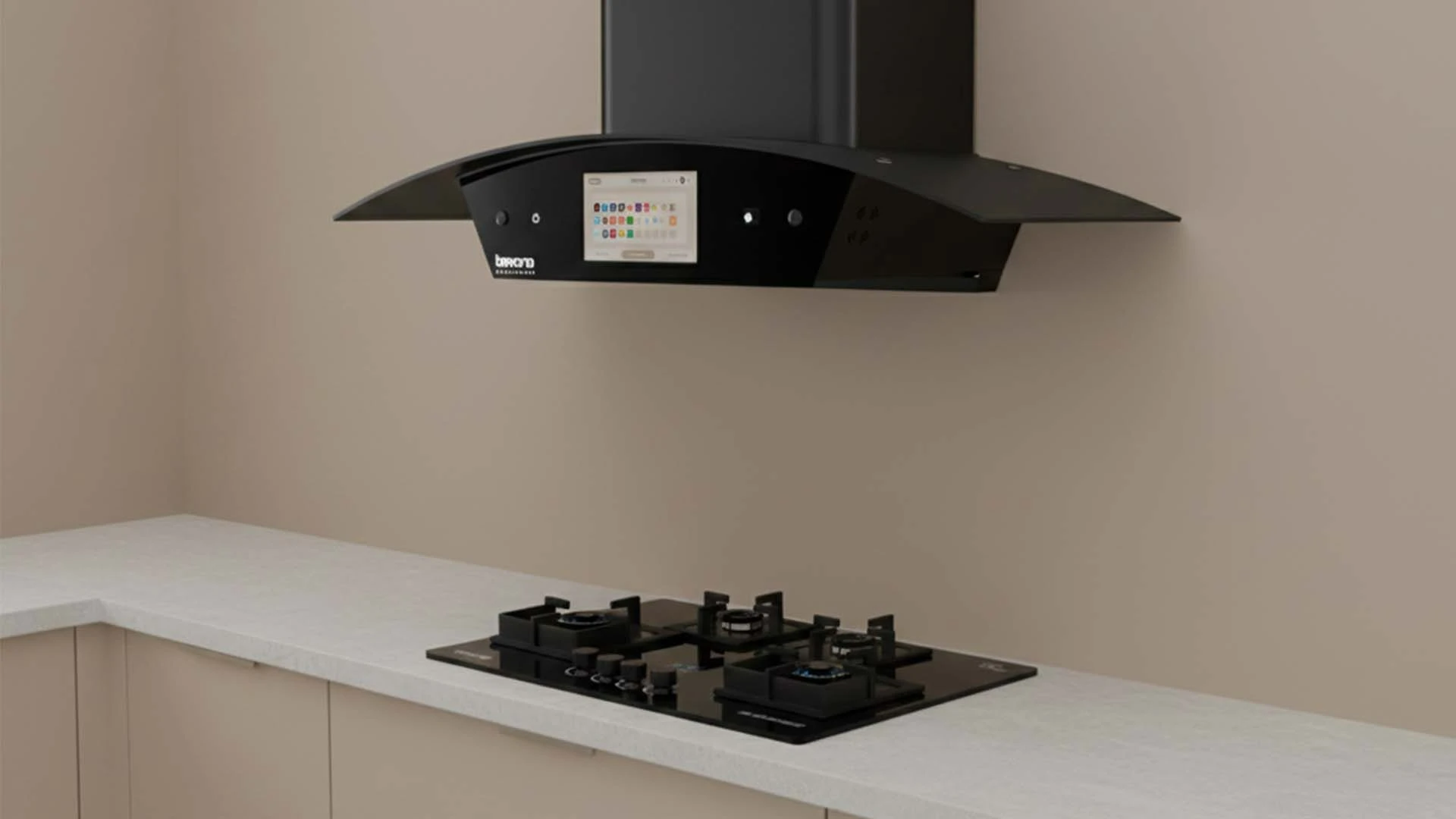
Installing a kitchen chimney is one of the most important decisions for maintaining a healthy cooking environment. Understanding how kitchen chimney works helps you make informed choices about installation, maintenance, and long-term performance. A properly installed chimney transforms your kitchen into a cleaner, more comfortable space by effectively removing smoke, grease, and cooking odors. This comprehensive guide walks you through everything you need to know about chimney installation, from understanding the basic mechanisms to completing a successful setup.
The fundamental principle of how kitchen chimney works involves creating a powerful suction system that captures cooking fumes at their source. When you turn on your chimney, an internal motor drives a centrifugal fan that creates negative pressure above your cooktop. This suction force pulls smoke, steam, and airborne grease particles into the chimney's intake area. Once inside the chimney, the contaminated air passes through multiple filtration stages. The first stage typically involves baffle filters or cassette filters that trap grease particles and larger debris. These metallic filters use angular designs to change the airflow direction multiple times, causing heavier particles to separate and collect in designated areas. The second stage often includes carbon filters that absorb odors and finer particles before the air exits the system.
Effective kitchen ventilation depends on proper air circulation patterns and adequate suction capacity. The chimney must generate sufficient CFM (Cubic Feet per Minute) to handle your cooking volume. Most home kitchens require chimneys with 400-1000 CFM capacity, depending on cooktop size and cooking frequency. The heat and smoke naturally rise due to convection, making the chimney's job easier when positioned correctly above the cooking surface.
Different types of kitchen chimneys serve various kitchen layouts and ventilation needs. Understanding chimney functions helps you select the right model for your specific requirements. The two main categories are ducted and ductless systems, each with distinct operational methods and installation requirements. Ducted chimneys connect to external venting systems that expel contaminated air outside your home. These systems provide superior air cleaning performance because they completely remove cooking fumes from your kitchen environment. Ductless systems, also called recirculating chimneys, filter the air internally and return it to the kitchen space.
Ducted chimneys work by channeling contaminated air through ductwork to exterior vents. This system requires proper duct installation but offers maximum smoke extraction efficiency. Ductless chimney systems use advanced filtration to clean air before recirculating it back into the kitchen. While easier to install, they require more frequent filter maintenance and may not handle heavy cooking as effectively as ducted systems.
Auto clean chimney models feature self-cleaning mechanisms that reduce maintenance requirements. These systems use heat or oil collection technology to automatically clean internal components. The heat auto-clean function periodically heats the chimney interior to liquefy accumulated grease, while oil collector models separate and collect grease in removable containers.
Wall-mounted chimneys attach directly to kitchen walls above cooktops, making them suitable for most kitchen layouts. Island chimneys suspend from ceilings over cooking islands, requiring additional structural support. Built-in models integrate seamlessly with kitchen cabinetry for a streamlined appearance.
Successful chimney installation begins with thorough planning and assessment. Your kitchen layout determines the chimney type and installation approach. Measure the distance between your cooktop and ceiling to ensure adequate clearance for proper operation. Most chimneys require 24-30 inches of vertical space above the cooking surface. Electrical requirements vary by chimney model, but most need dedicated 15-amp circuits with proper grounding. Plan the electrical connection route before installation to avoid complications. For ducted systems, plan the ductwork pathway to minimize bends and maximize airflow efficiency.
Chimney size should match or exceed your cooktop width for effective coverage. A chimney that's too small won't capture all cooking fumes, while an oversized unit may create unnecessary noise and energy consumption. Standard height installation ranges from 24-30 inches above gas cooktops and 20-24 inches above electric surfaces.
Proper installation ensures your kitchen chimney operates at peak efficiency. Start by gathering all necessary tools and materials before beginning the installation process. Having everything ready prevents delays and ensures a smooth installation experience. Begin installation by marking the mounting points on your wall using the chimney's template. Ensure the marks are level and properly aligned with your cooktop center. Drill pilot holes for mounting brackets, taking care to hit wall studs for secure attachment.
Essential tools include a drill with masonry bits, level, measuring tape, screwdrivers, and wire strippers. You'll need mounting brackets, screws, wall anchors, and electrical connectors. Safety equipment should include safety glasses, dust masks, and work gloves.
Mount the support brackets securely to the wall, ensuring they're level and properly spaced. Connect the electrical supply according to local codes and manufacturer specifications. Attach the chimney unit to the mounted brackets, checking for secure fit and proper alignment. For ducted models, connect the ductwork and seal all joints to prevent air leaks.
A well-functioning chimney significantly improves kitchen air quality by removing harmful cooking byproducts. Effective smoke extraction prevents grease buildup on surfaces and reduces indoor air pollution. This creates a healthier cooking environment and protects your family from respiratory irritants. Proper ventilation removes not just visible smoke but also invisible particles and gases produced during cooking. These include nitrogen dioxide from gas burners, particulate matter from high-heat cooking, and volatile organic compounds from heated oils and foods.
Suction power requirements depend on your cooking habits and kitchen size. Higher CFM ratings provide better extraction but may increase noise levels. Quality filter systems enhance particle removal efficiency, while proper installation height optimizes capture effectiveness.
Regular chimney maintenance ensures continued performance and extends equipment life. Clean baffle filters monthly or as needed based on cooking frequency. Replace carbon filters every 3-6 months for ductless systems. Inspect and clean the motor housing annually to prevent grease buildup. Scheduled maintenance prevents performance degradation and reduces energy consumption. Well-maintained chimneys operate more quietly and efficiently than neglected units.
Reduced suction power indicates filter saturation or motor issues. Unusual noise patterns may signal bearing wear or loose components. Visible grease accumulation on surfaces suggests inadequate extraction or maintenance needs.
Kitchen chimneys use powerful fans to create suction that pulls smoke and cooking fumes into filtration systems. The contaminated air passes through grease filters and odor-absorbing materials before being expelled outside or recirculated back into the kitchen.
Choose a chimney that's at least as wide as your cooktop, preferably 6 inches wider on each side. For a 24-inch cooktop, select a 30-36 inch chimney for optimal coverage and performance.
While possible for experienced DIYers, professional installation ensures proper electrical connections, secure mounting, and optimal performance. Many manufacturers require professional installation to maintain warranty coverage.
Clean baffle filters monthly with regular cooking or every 2-3 weeks with heavy use. Replace carbon filters in ductless systems every 3-6 months depending on cooking frequency and filter quality.
Ducted chimneys expel contaminated air outside through ductwork, providing superior air cleaning. Ductless chimneys filter and recirculate air back into the kitchen, making installation easier but requiring more frequent filter maintenance.
Understanding how kitchen chimney works empowers you to make informed installation and maintenance decisions. Proper planning, correct sizing, and professional installation ensure optimal performance and longevity. Regular maintenance keeps your chimney operating efficiently while protecting your kitchen air quality. Whether you choose ducted or ductless systems, following this comprehensive checklist helps create a cleaner, healthier cooking environment for your family.
