

Essential Checklist: Choosing Healthy Cooktops Now
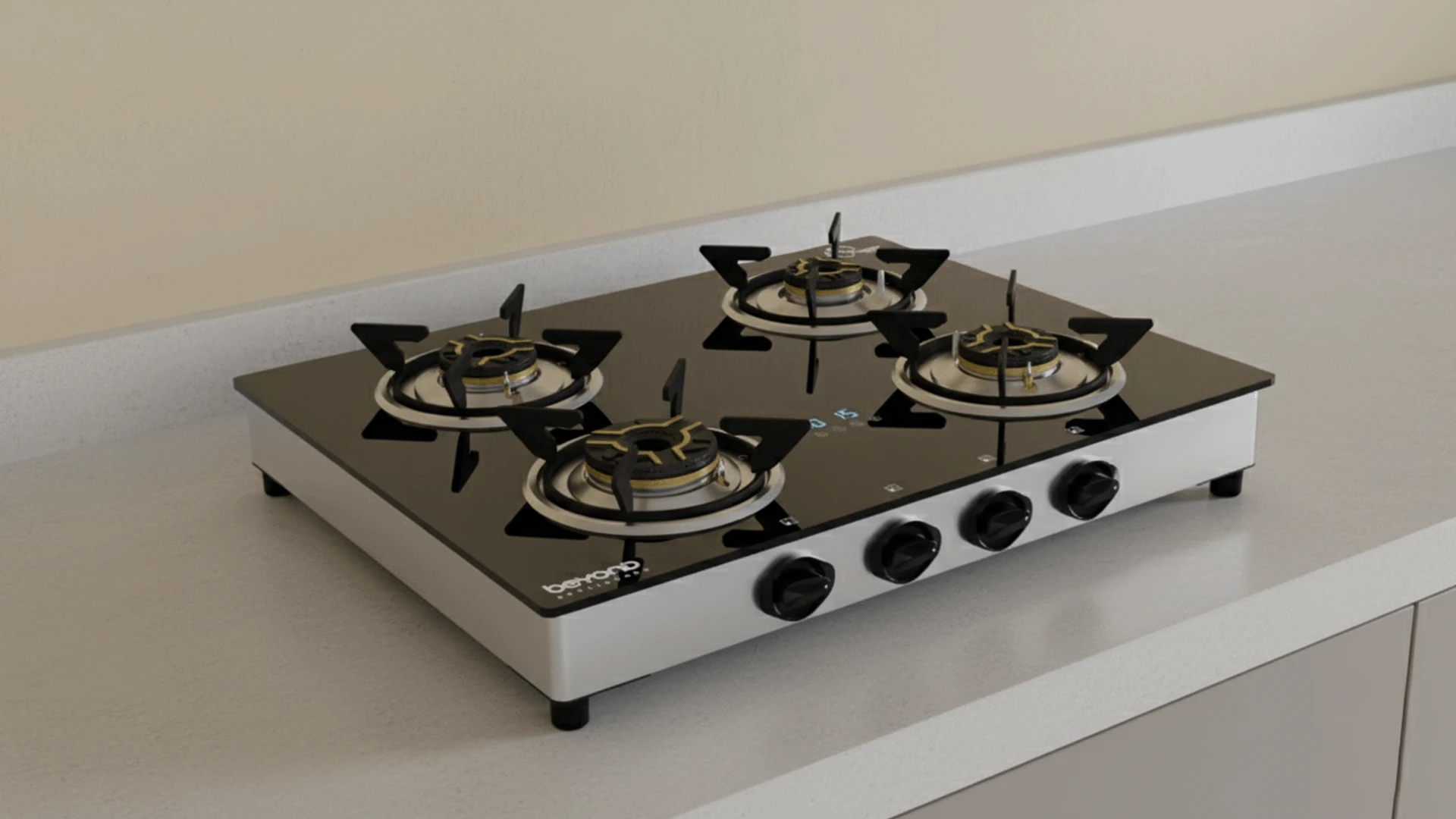
Choosing the right cooktop can transform your cooking experience and significantly impact your family's health. With rising awareness about nutrition and food safety, many home cooks are questioning whether their cooking methods support their wellness goals. The best cooktop for healthy meals goes beyond just heating food—it preserves nutrients, maintains food safety, and creates a cleaner cooking environment. Modern cooktops offer various technologies, each with distinct advantages for health-conscious cooking. Understanding these differences helps you make an informed decision that aligns with your family's dietary needs and lifestyle preferences.
Your cooktop directly affects how nutrients behave during cooking. High heat can destroy water-soluble vitamins like vitamin C and B-complex vitamins, while gentle, controlled heating preserves these essential nutrients. Different cooktop types offer varying levels of temperature precision, which impacts both nutrient retention and food safety. The cooking method also influences the formation of harmful compounds. Excessive heat can create acrylamide in starchy foods or advanced glycation end products (AGEs) in proteins. A healthy cooking cooktop provides precise temperature control to minimize these risks while ensuring food reaches safe internal temperatures. Indoor air quality represents another crucial health factor. Some cooktop types release combustion byproducts that can affect respiratory health, especially in poorly ventilated kitchens. Families with asthma or allergies particularly benefit from cleaner cooking technologies that don't compromise indoor air quality.
Induction technology stands out as the premier choice for health-conscious cooking. This innovative system uses electromagnetic fields to heat cookware directly, offering unmatched precision and efficiency. An induction cooktop healthy approach delivers consistent results while preserving food quality and maintaining kitchen safety. The electromagnetic heating process creates no combustion byproducts, keeping your kitchen air clean and fresh. This feature particularly benefits families with respiratory sensitivities or those cooking in smaller spaces with limited ventilation.
Induction cooktops excel at maintaining precise temperatures, which directly impacts nutrient preservation. The instant heat response allows for quick searing that locks in vitamins and minerals while preventing overcooking. Water-soluble vitamins remain intact when cooking times are reduced through efficient heat transfer.
The cooktop surface remains relatively cool during cooking, reducing burn risks significantly. This safety feature makes induction ideal for families with children or elderly members. Additionally, the absence of open flames or hot coils eliminates fire hazards associated with traditional cooking methods.
Induction cooktops convert 85-90% of energy into heat, compared to gas cooktops' 40-55% efficiency. This superior efficiency translates to lower utility bills and reduced environmental impact. The energy efficient cooktop design supports sustainable cooking practices while delivering exceptional performance.
Electric and gas cooktops each present distinct health considerations that influence cooking outcomes. Understanding these differences helps you choose the safe cooktops for cooking that best support your family's wellness goals. Electric cooktops generally offer cleaner cooking environments compared to gas alternatives. They don't produce combustion gases that can affect indoor air quality, making them suitable for homes with limited ventilation or family members with respiratory conditions.
Electric cooktops maintain consistent temperatures without producing harmful emissions. The smooth cooking surface is easier to clean thoroughly, reducing bacterial buildup risks. Many models offer precise temperature controls that support gentle cooking methods ideal for preserving nutrients.
Gas cooktops release nitrogen dioxide, carbon monoxide, and other combustion byproducts that can accumulate in poorly ventilated kitchens. These emissions may trigger asthma symptoms or respiratory irritation in sensitive individuals. Proper ventilation becomes essential when using gas cooktops regularly.
Selecting the right features ensures your cooktop supports healthy cooking practices effectively. The best cooktop brands incorporate technologies that enhance both safety and nutritional outcomes. Focus on features that align with your cooking style and health priorities. Temperature precision ranks among the most important features for healthy cooking. Accurate heat control prevents nutrient destruction while ensuring food safety through proper cooking temperatures.
Precise temperature settings enable gentle cooking methods like poaching, steaming, and slow simmering. These techniques preserve heat-sensitive vitamins while developing complex flavors. Look for cooktops offering multiple power levels and responsive temperature adjustments.
Smooth, non-porous surfaces prevent bacterial growth and simplify sanitization. An easy to clean cooktop supports food safety by eliminating hiding places for harmful microorganisms. Regular cleaning becomes effortless with properly designed surfaces.
Choose cooktop sizes that match your cooking needs without wasting energy. Higher wattage options provide faster heating for time-sensitive cooking, while lower settings support gentle preparation methods. Consider your typical meal sizes and cooking frequency when selecting power levels.
Different cooking styles benefit from specific cooktop features and capabilities. Whether you prefer traditional Indian cuisine or focus on nutrient-dense meal preparation, choosing the right cooktop enhances your culinary results. Cooktop reviews consistently highlight how matching technology to cooking style improves both convenience and health outcomes. Indian cooking often requires high heat for techniques like tempering spices and making rotis. However, many traditional dishes also benefit from gentle simmering and precise temperature control for optimal flavor development.
High-powered induction cooktops excel at Indian cooking requirements. They provide instant high heat for tempering while offering precise low settings for slow-cooked curries. The even heat distribution prevents hot spots that can burn delicate spices.
Look for cooktops with ultra-low temperature settings and timer functions. These features support gentle cooking methods that preserve vitamins and minerals. Steam functions and warming settings help maintain food quality without overcooking.
A portable induction cooktop offers flexibility for small spaces while maintaining healthy cooking capabilities. These compact units provide professional-level temperature control in space-saving designs. Many models offer multiple cooking programs optimized for different food types.
Investing in quality cooking equipment supports long-term health goals while providing economic benefits. The initial cost of premium cooktops often balances out through energy savings and improved cooking results. Consider the total cost of ownership when evaluating different options. Induction cooktops typically require compatible cookware, which represents an additional investment. However, the improved cooking performance and energy efficiency often justify this initial expense. Calculate potential energy savings over the cooktop's expected lifespan.
Higher efficiency translates to lower monthly utility costs. Induction cooktops can reduce cooking energy consumption by 30-50% compared to traditional electric or gas options. These savings accumulate significantly over time, especially for frequent cooks.
Induction cooktops require magnetic-bottom cookware for proper operation. Stainless steel and cast iron work excellently, while aluminum and copper need magnetic bases. Investing in quality induction-compatible cookware enhances cooking performance and supports healthy meal preparation.
The best cooktop for healthy meals offers precise temperature control, clean operation without harmful emissions, and efficient heat transfer that preserves nutrients. Induction cooktops typically excel in all these areas while providing superior energy efficiency.
Yes, induction cooktops provide several health advantages including no combustion byproducts, precise temperature control for nutrient preservation, and safer operation with cool surfaces. The electromagnetic heating method doesn't affect food quality or safety when used properly.
Quality induction cooktops range from INR 3,000 for basic portable models to INR 25,000 for premium built-in units. Consider your cooking frequency and feature requirements when setting your budget. Higher-end models often provide better temperature precision and durability.
Induction cooktops require magnetic-bottom cookware, but this doesn't limit healthy cooking options. Stainless steel and cast iron cookware work excellently and support various healthy cooking techniques. Many existing pots and pans may already be induction-compatible.
Choosing the right cooktop significantly impacts your family's nutrition and kitchen safety. Induction technology offers the best combination of health benefits, energy efficiency, and cooking precision. While the initial investment may be higher, the long-term benefits include better food quality, lower energy costs, and improved kitchen safety. Consider your cooking style, space requirements, and health priorities when making your selection. The right cooktop becomes a valuable partner in creating nutritious, delicious meals that support your family's wellness goals.
