

Essential Checklist: Choosing Between Hob and Oven
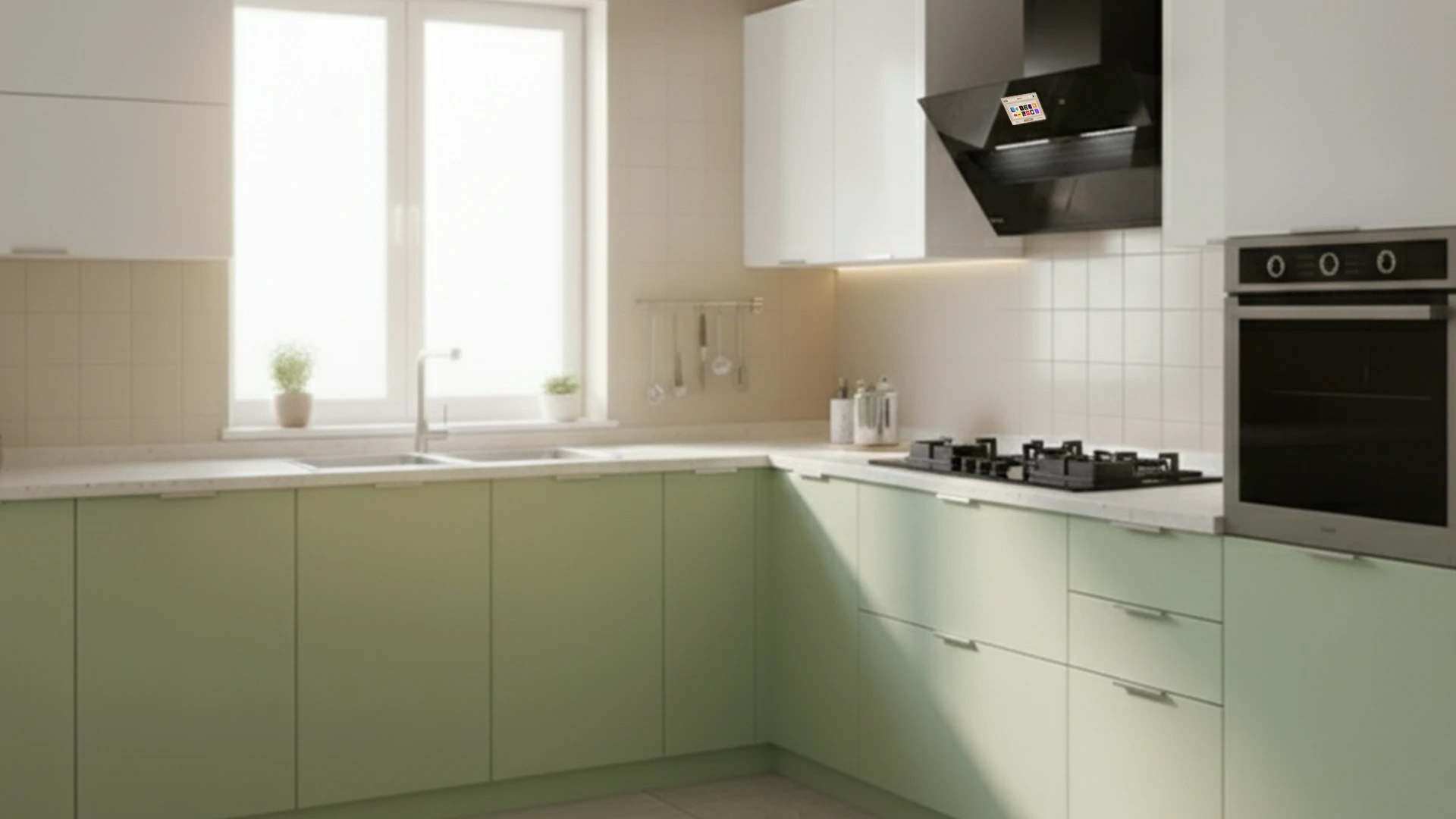
Choosing the right cooking solution for your kitchen is one of the most important decisions you'll make during a renovation or new home setup. The debate between installing a standalone hob versus an integrated oven range affects not just your daily cooking experience, but also your kitchen's functionality, energy costs, and overall design for years to come. Many homeowners find themselves confused about which option truly fits their lifestyle, cooking habits, and space constraints. This comprehensive guide will walk you through every essential factor to consider when making this crucial choice, helping you create a kitchen that perfectly matches your needs and cooking style.
Before diving into comparisons, it's essential to understand what each option offers and how they function differently in your kitchen setup. Both solutions serve the primary purpose of cooking, but they approach it through different designs and capabilities.
A hob is a standalone cooktop that provides burners or heating elements for surface cooking. These kitchen appliances come in three main varieties: gas hob, electric hob, and induction hob. Gas hobs offer instant heat control and work with all cookware types, making them popular among cooking enthusiasts. Electric hobs provide consistent heating but take longer to heat up and cool down. Induction hobs are the most energy-efficient option, using magnetic fields to heat compatible cookware directly. The installation flexibility of hobs makes them attractive for custom kitchen designs. You can mount them into countertops at any height, pair them with separate wall ovens, or use them in kitchen islands. This modularity allows for creative kitchen layouts and easier maintenance since each component operates independently.
An oven range combines a cooktop and oven into one integrated unit, creating a complete cooking range solution. These appliances typically feature four to six burners on top with a full-size oven below. Modern cooking ranges often include additional features like warming drawers, storage compartments, or even double ovens. The main advantage of an oven range lies in its space efficiency and coordinated design. Everything matches perfectly since it's designed as one unit. Installation is often simpler since you're dealing with a single appliance rather than multiple components. Many ranges also offer advanced features like convection cooking, multiple oven modes, and precise temperature controls that work seamlessly between the cooktop and oven.
The structural differences between hobs and oven ranges significantly impact your kitchen design and functionality. Hobs require only countertop space and connections for gas or electricity, while oven ranges need floor space and often require specific clearances for proper ventilation and safety. Ventilation requirements also differ substantially. Hobs typically work with overhead chimneys or downdraft systems, while oven ranges may need additional considerations for oven ventilation. Power connections vary too – induction hobs need high-voltage electrical connections, gas hobs require gas lines, and oven ranges often need both gas and electrical connections depending on their configuration.
When evaluating cooking performance, both hobs and oven ranges offer distinct advantages depending on your cooking style and requirements. Understanding these differences helps you choose the option that best supports your culinary goals.
Hobs excel at stovetop cooking techniques like sautéing, stir-frying, and boiling. Induction hobs provide the most precise temperature control, making them ideal for delicate sauces and healthy cooking methods that require exact heat management. Gas hobs offer immediate heat adjustment, perfect for techniques requiring quick temperature changes. Oven ranges provide the complete cooking experience, combining excellent stovetop performance with full oven capabilities. This means you can simultaneously prepare multiple dishes using different cooking methods. The oven component opens up baking, roasting, broiling, and slow-cooking options that standalone hobs cannot provide. For healthy cooking enthusiasts, both options offer benefits. Induction hobs allow precise control for low-fat cooking methods, while oven ranges enable healthy roasting and baking techniques that preserve nutrients and reduce the need for added fats.
Energy efficiency varies significantly between different types of hobs and oven ranges. Induction hobs are the most energy-efficient option, converting about 90% of energy directly into heat. Gas hobs are less efficient at around 60%, while electric hobs fall somewhere in between. Oven ranges typically consume more overall energy due to their dual functionality, but they can be more efficient when you need both cooktop and oven functions simultaneously. Modern ranges often include energy-saving features like convection cooking, which reduces cooking times and temperatures. Long-term utility costs depend heavily on your cooking habits and local energy prices. If you primarily do stovetop cooking, a high-efficiency hob might save money. However, if you regularly use oven functions, an integrated range might prove more economical than running separate appliances.
Your kitchen's size, layout, and design goals play a crucial role in determining whether a hob or oven range works better for your space. Each option offers different advantages for various kitchen configurations.
In smaller kitchens, the choice between hobs and oven ranges can dramatically affect functionality and flow. Standalone hobs offer more flexibility in tight spaces since you can position them optimally for your workflow without being constrained by oven placement. You might install a hob in a kitchen island while placing a compact wall oven elsewhere. Oven ranges work well in galley kitchens or traditional layouts where you have adequate floor space along one wall. They create a natural cooking zone that doesn't require you to move between different areas for various cooking tasks. However, they do require more vertical clearance and specific ventilation considerations. Counter space is another critical factor. Hobs preserve counter space around the cooking area since they're flush-mounted, while oven ranges typically have raised edges or backsplashes that can limit adjacent counter usability.
Design flexibility differs significantly between these options. Hobs integrate seamlessly into custom countertops, creating clean, minimalist looks that work well with contemporary kitchen designs. You can choose different materials and finishes for surrounding surfaces without worrying about matching appliance aesthetics. Oven ranges make a stronger design statement and can serve as a focal point in traditional or professional-style kitchens. High-end ranges often feature distinctive styling that enhances the kitchen's overall character. However, this prominence means the range must coordinate well with your overall design scheme.
Understanding the complete cost picture helps you make an informed decision that fits your budget both initially and over time. Costs extend beyond the appliance price to include installation, maintenance, and potential future modifications.
Initial costs vary widely based on features, quality, and brand positioning. Basic gas hobs start around INR 15,000, while premium induction hobs can cost INR 50,000 or more. Electric hobs typically fall in the middle range. When choosing hobs, you'll also need to budget for a separate oven if you want baking capabilities, adding INR 25,000 to INR 100,000 to your total investment. Oven ranges generally cost more upfront, starting around INR 40,000 for basic models and reaching INR 200,000 or more for professional-grade units. However, this single purchase provides both cooktop and oven functionality, potentially offering better value than buying separate appliances. Installation costs also differ. Hobs typically require simpler installation unless you're adding new gas lines or electrical circuits. Oven ranges might need more extensive work, especially if you're switching from separate appliances or need ventilation modifications.
Maintenance requirements and costs vary between hobs and oven ranges. Standalone hobs are generally easier and less expensive to service since technicians can access all components easily. If one part fails, you're not losing your entire cooking capability. Oven ranges require more complex maintenance due to their integrated design. However, many components are shared between the cooktop and oven, potentially reducing some service costs. Replacement considerations favor hobs since you can upgrade or replace the cooktop without affecting oven functionality, or vice versa if you have separate appliances.
Choosing between a hob and oven range ultimately depends on your specific cooking habits, lifestyle, and kitchen goals. This framework helps you evaluate which option aligns better with your needs.
Consider your cooking frequency and complexity. If you cook daily and enjoy elaborate meals requiring both stovetop and oven techniques, an oven range might serve you better. The convenience of having everything in one location streamlines complex meal preparation. Family size significantly impacts your decision. Larger families often benefit from oven ranges since they can prepare main dishes in the oven while using the cooktop for sides or quick meals. Single people or couples who primarily cook simple meals might find a quality hob meets all their needs. Entertaining habits also matter. If you frequently host dinner parties or holiday gatherings, having both cooktop and oven capacity simultaneously becomes crucial. Consider whether you need multiple cooking methods available at once or if you can sequence your cooking tasks. Future flexibility is another key factor. Standalone hobs offer more options for kitchen modifications or upgrades. You can change cooktop technology without replacing your oven, or relocate components during renovations.
Serious cooking enthusiasts often prefer the flexibility that separate appliances provide. You can choose the best induction hob for precise temperature control while selecting an oven optimized for baking or roasting. This approach allows you to invest in professional-grade components where they matter most for your cooking style. Casual cooks might appreciate the simplicity and coordination that oven ranges provide. Everything works together seamlessly, and you don't need to research and coordinate multiple appliances. Modern ranges offer plenty of capability for typical home cooking needs.
Proper installation and safety features are crucial regardless of which option you choose. Understanding these requirements helps you plan your kitchen project and budget appropriately.
Installation requirements differ significantly between hobs and oven ranges. Gas hobs need proper gas line connections and adequate ventilation, while induction hobs require high-voltage electrical circuits that may need upgrading in older homes. Electric hobs typically work with standard electrical connections but may need dedicated circuits for higher-powered models. Oven ranges often require both gas and electrical connections, plus specific clearances for safety and proper operation. Ventilation becomes more complex since you're dealing with both cooktop emissions and oven heat. Professional installation is typically recommended for ranges due to these multiple requirements. Countertop modifications vary too. Hobs require precise cutouts in your countertop material, while ranges need proper floor positioning and leveling. Consider your countertop material when choosing hobs, as some materials handle heat better than others.
Modern kitchen appliances include numerous safety features, but they vary between hobs and ranges. Induction hobs offer excellent safety since they don't generate heat directly – the cooktop surface stays relatively cool. Gas hobs typically include flame failure devices that shut off gas flow if flames extinguish. Oven ranges often include more comprehensive safety systems since they combine multiple heat sources. Look for features like automatic shut-off, child locks, and overheat protection. The integrated design can actually enhance safety by ensuring all components work together properly.
For small kitchens, hobs often provide more flexibility since you can position them optimally without being constrained by oven placement. You can install a hob in a kitchen island and use a compact wall oven elsewhere, maximizing your limited space more effectively.
Induction hobs are typically the most energy-efficient cooking option available, converting about 90% of energy into heat. However, if you regularly use both cooktop and oven functions, an integrated range might be more efficient than running separate appliances simultaneously.
Yes, installing a hob with a separate wall oven is a popular configuration that offers maximum flexibility. This setup allows you to choose the best technology for each function and position them optimally for your kitchen workflow.
Both options support healthy cooking methods. Induction hobs provide precise temperature control ideal for low-fat cooking techniques, while oven ranges enable healthy roasting and baking that preserves nutrients without added fats.
Hobs require only countertop space (typically 24-36 inches wide), while oven ranges need floor space (usually 30-48 inches wide) plus adequate clearances for ventilation and safety.
Quality hobs typically last 15-20 years with proper maintenance, while oven ranges average 13-15 years. However, with separate appliances, you can replace components individually rather than the entire cooking system.
Choosing between a hob and oven range depends on your specific cooking needs, kitchen space, and lifestyle preferences. Hobs offer flexibility, easier maintenance, and the ability to choose optimal technology for stovetop cooking. Oven ranges provide convenience, space efficiency, and coordinated design in a single appliance. Consider your cooking frequency, family size, kitchen layout, and long-term flexibility needs when making this important decision. Both options can create excellent cooking experiences when chosen thoughtfully for your specific situation.
