

Eliminate Cooking Smells: Apartment Odor Guide
Living in an apartment often means dealing with limited space and poor ventilation, making cooking odors a persistent challenge. Whether it's the lingering smell of last night's fish curry or the smoky aftermath of a stir-fry session, these unwanted aromas can quickly take over your entire living space. The good news is that with the right strategies and tools, you can effectively reduce cooking odors in apartments and maintain fresh, breathable air throughout your home. From simple natural remedies to advanced ventilation solutions, there are proven methods that work even in the smallest kitchens.
Small apartment kitchens face unique challenges when it comes to odor control. Unlike larger homes with multiple rooms and better airflow, apartments often trap cooking smells due to their compact design and limited ventilation options.
Cooking odors consist of tiny particles and volatile organic compounds that become airborne during the cooking process. In apartments, these particles have fewer places to disperse and often get trapped in fabrics, walls, and furniture. Limited air circulation means these odor molecules continue to circulate rather than being expelled from the space. Many older apartment buildings also have inadequate ventilation systems that struggle to remove cooking fumes effectively.
Certain foods are notorious for creating strong, persistent odors. Fish and seafood release compounds that can linger for hours, while fried foods produce grease particles that settle on surfaces. Spicy cuisines with strong seasonings like garlic, onions, and curry spices tend to penetrate fabrics and remain in the air longer. Burnt food incidents create acrid smoke that's particularly difficult to eliminate from small spaces.
When cooking odors strike, quick action can prevent them from settling into your apartment's surfaces and fabrics. These emergency techniques provide rapid relief and can be implemented with common household items.
Place bowls of white vinegar around your kitchen and living areas during and after cooking. The vinegar naturally absorbs odor molecules from the air. Baking soda works similarly - sprinkle it on carpets and upholstery, let it sit for 30 minutes, then vacuum. Boil water with lemon slices for 15-20 minutes to create steam that neutralizes airborne odors. Fresh coffee grounds placed in small bowls act as natural deodorizers and leave a pleasant aroma.
Create cross-ventilation by opening windows on opposite sides of your apartment to encourage airflow. Use fans strategically - place one near the kitchen window blowing outward and another in a distant room pulling fresh air in. Even without multiple windows, positioning a fan near your kitchen window can help expel cooking fumes more effectively than relying on natural air movement alone.
Natural solutions offer safe, chemical-free ways to maintain fresh air in your apartment. These methods are particularly beneficial for families with children, pets, or anyone sensitive to artificial fragrances and harsh chemicals.
White vinegar serves multiple purposes in odor elimination. Place small bowls around your kitchen, or create a spray solution with equal parts water and vinegar for immediate surface treatment. Baking soda containers can be strategically placed in cabinets, near the stove, and in other odor-prone areas. Replace them monthly for continued effectiveness. Activated charcoal bags provide continuous odor absorption and can be recharged by placing them in direct sunlight monthly.
Create natural potpourri using dried citrus peels, cinnamon sticks, and fresh herbs like rosemary or thyme. Simmer these combinations on low heat to release pleasant aromas that neutralize cooking smells. Coffee ground sachets made from old pantyhose or cheesecloth can be hung in problem areas. Essential oil diffusers with eucalyptus, tea tree, or lavender oils not only mask odors but actively purify the air.
Commercial products can provide more powerful odor elimination for persistent smell problems. Understanding the difference between masking and eliminating odors helps you choose the most effective solutions.
Air purifiers with both HEPA and activated carbon filters offer the most comprehensive solution for cooking odors. The HEPA filter captures particles while carbon absorbs odor molecules. Look for units rated for your room size with quiet operation for continuous use. Odor-eliminating sprays that contain enzymes break down odor molecules rather than simply masking them. Gel-based absorbers provide continuous protection and work well in enclosed spaces like cabinets.
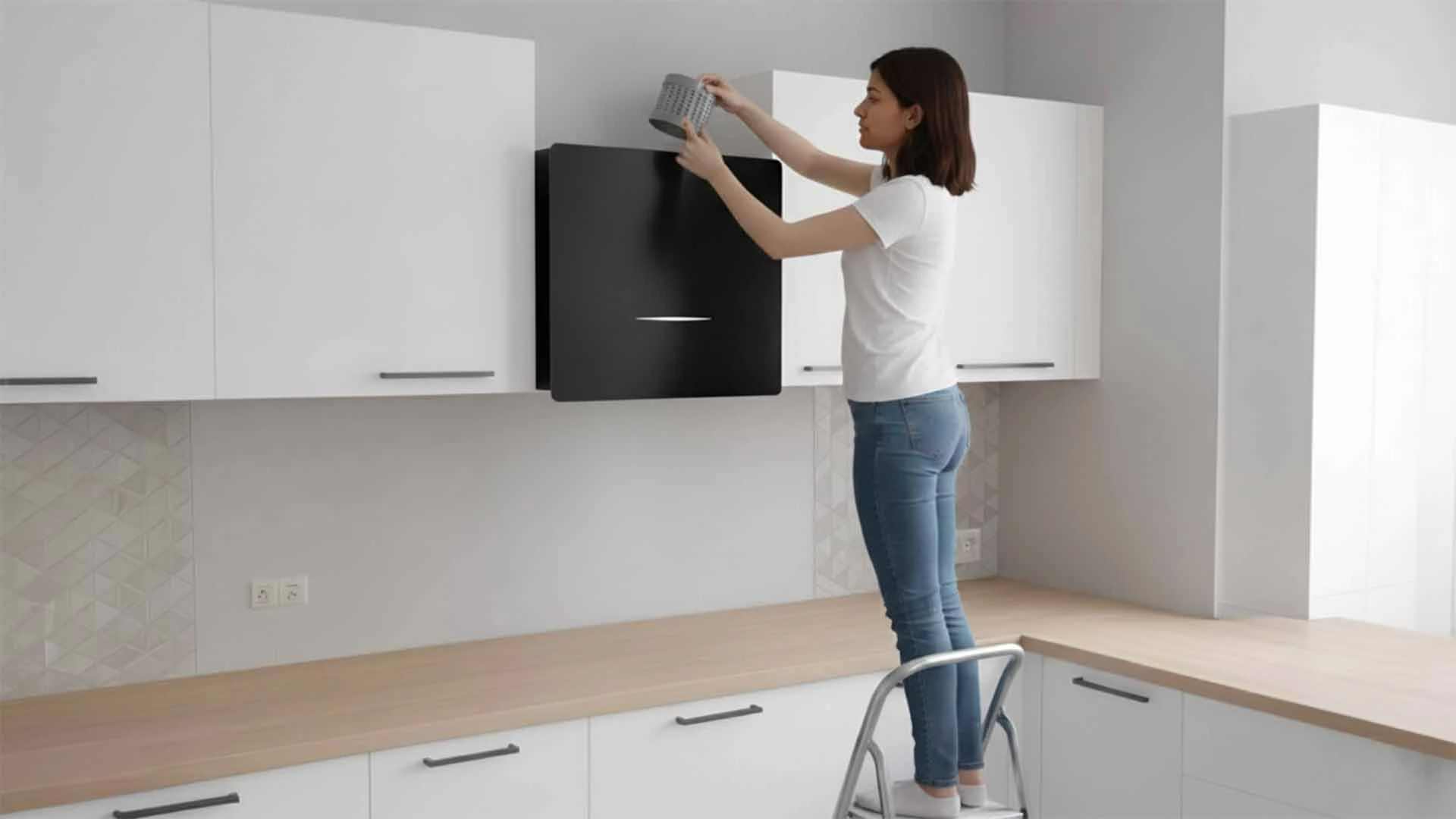
Range hoods and exhaust fans are your first line of defense against cooking fumes. Regular cleaning and filter replacement ensure optimal performance. For apartments without built-in ventilation, portable exhaust units that fit in windows provide effective fume removal. Professional-grade odor neutralizers designed for commercial kitchens offer powerful solutions for severe odor problems.
Prevention is always more effective than elimination. By modifying your cooking habits and kitchen setup, you can significantly reduce the amount of odors produced in the first place.
Set up your kitchen for success by ensuring proper ventilation before you start cooking. Turn on exhaust fans, open windows, and position portable fans to create airflow. Choose cooking methods that produce fewer odors - steaming, poaching, and baking typically generate less smell than frying or grilling. Marinate strong-smelling ingredients in sealed containers rather than open dishes.
Use lids whenever possible to contain steam and odors during cooking. Control cooking temperatures to prevent burning and excessive smoke production. Time your ventilation to run during cooking and for at least 30 minutes afterward. Cook strong-smelling foods when you can open windows for maximum air exchange.
For persistent odor problems or serious cooking enthusiasts, advanced solutions provide professional-level odor control suitable for apartment living.
Portable exhaust solutions that don't require permanent installation work well for renters. Window-mounted ventilation units can be easily removed when moving. Some apartments allow the installation of upgraded range hoods with property manager approval. Ductless range hoods with charcoal filters provide improved ventilation without requiring external venting.
HEPA filter systems remove 99.97% of particles 0.3 microns or larger, including many odor-carrying particles. Carbon filters specifically target odor molecules and volatile organic compounds. UV-light air purifiers use ultraviolet radiation to break down odor-causing compounds at the molecular level. Combination units offer multiple purification methods for comprehensive odor control.
Use immediate ventilation by opening windows and running fans. Place bowls of white vinegar around the kitchen and living areas. Run air purifiers with carbon filters if available. Simmer lemon water for 15-20 minutes to neutralize airborne odors. Create cross-ventilation by positioning fans to pull fresh air in and push odorous air out.
Baking soda, white vinegar, coffee grounds, and activated charcoal naturally absorb odor molecules. Essential oils like eucalyptus and tea tree oil actively purify air. Citrus peels and fresh herbs provide natural pleasant scents while neutralizing unwanted odors. Boiling water with lemon or vinegar creates steam that helps remove airborne particles.
Combine proper ventilation with regular deep cleaning of surfaces where odors can settle. Use air purification systems with both HEPA and carbon filters. Implement preventive cooking practices like using lids and controlling temperatures. Address the source of odors rather than just masking them with fragrances.
Look for units with both HEPA and activated carbon filters rated for your room size. Choose models with quiet operation for continuous use. Consider portable units that can be moved between kitchen and living areas. Ensure the unit has sufficient air circulation capacity for your apartment size.
Seal gaps around doors with weather stripping or draft stoppers. Use door sweeps to block odors from hallways. Run air purifiers near potential entry points. Consider creating positive air pressure by using fans to push air out of your apartment, preventing external odors from entering.
Persistent cooking odors can penetrate porous surfaces like drywall, fabric, and wood. Grease particles from frying can settle on surfaces and become difficult to remove. Regular cleaning and proper ventilation prevent long-term odor absorption. Some strong odors may require professional cleaning or repainting when moving out.
Effectively managing cooking odors in apartments requires a combination of immediate action, natural solutions, and long-term prevention strategies. Start with simple techniques like proper ventilation and natural odor absorbers, then gradually implement more advanced systems based on your specific needs. Regular maintenance of ventilation equipment and consistent cleaning practices ensure optimal results. Remember that preventing odors is always easier than eliminating them, so focus on proactive cooking methods and proper kitchen setup. With the right approach, even the smallest apartment kitchen can maintain fresh, pleasant air quality for comfortable living.
