

Ducted vs Ductless Chimney: Ultimate Kitchen Guide
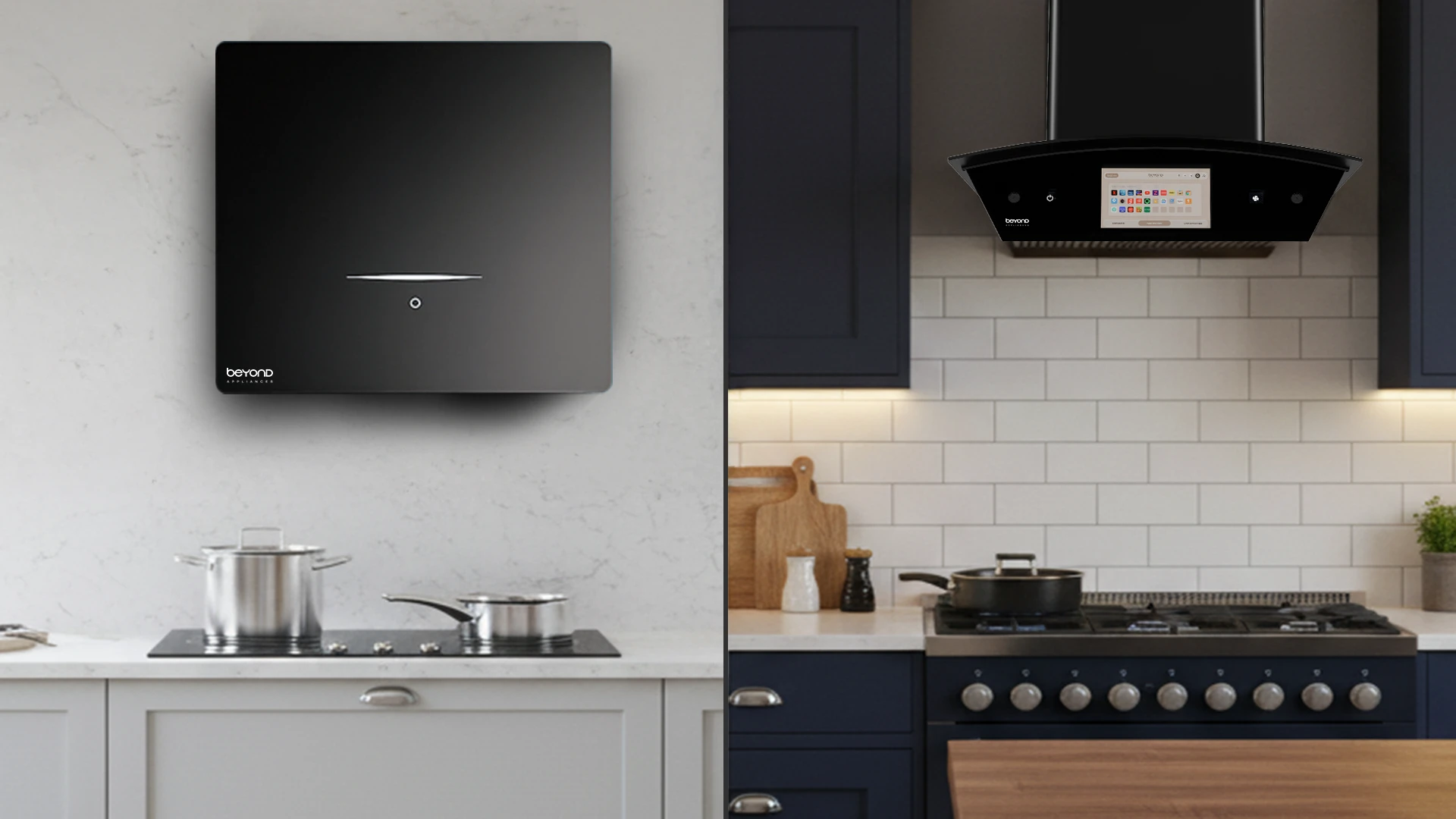
Choosing the right kitchen ventilation system can transform your cooking experience. With Indian cooking involving heavy spices, oil, and intense heat, proper ventilation becomes crucial for maintaining a clean and comfortable kitchen environment. The ducted vs ductless chimney debate often leaves homeowners confused about which option suits their specific needs.
Both ducted chimneys and ductless chimneys serve the same primary purpose - removing smoke, odors, and grease from your kitchen. However, they operate differently and offer distinct advantages depending on your kitchen setup, cooking habits, and budget. Understanding these differences helps you make an informed decision that enhances your kitchen's functionality for years to come.
Kitchen ventilation systems come in two main categories, each designed to address different household needs and structural limitations. The choice between these kitchen chimney types significantly impacts your cooking environment's air quality and overall kitchen experience.
A ducted chimney connects directly to the outside through a duct system that channels contaminated air out of your home. This external venting mechanism removes smoke, steam, and cooking odors completely from your kitchen space. The system includes a powerful motor, filters for grease capture, and ductwork that leads to an external vent.
The airflow process begins when the chimney's motor creates suction, drawing contaminated air through grease filters and pushing it through the duct system to the outside. This one-way airflow ensures that cooking byproducts never return to your kitchen.
A ductless chimney operates on a recirculation principle, filtering contaminated air and returning it to the kitchen. These systems use multiple filter layers, including grease filters and carbon filters, to clean the air before recirculating it back into your cooking space.
The recirculation process involves drawing air through grease filters that capture oil particles, then through carbon filters that absorb odors, before releasing the cleaned air back into the kitchen. This closed-loop system requires no external venting but depends entirely on filter efficiency.
In the Indian market, "chimney" and "range hood" terms are often used interchangeably, though they refer to the same appliance. Kitchen chimneys have become the preferred terminology in India, while range hoods are more common in Western markets. Both serve identical functions with similar technology and design principles.
Performance differences between ducted and ductless systems become apparent in real-world cooking scenarios. Understanding these variations helps determine which system better suits your specific kitchen ventilation needs and cooking patterns.
Ducted systems typically offer superior suction power, with CFM (Cubic Feet per Minute) ratings ranging from 400-1200 CFM. This powerful chimney airflow effectively handles heavy Indian cooking that produces substantial smoke and steam. The direct external venting ensures complete removal of cooking byproducts.
Ductless systems generally provide 300-800 CFM ratings, which may struggle with intensive cooking sessions. The recirculation process inherently reduces efficiency since filtered air returns to the kitchen, potentially carrying residual odors and moisture.
Ducted chimneys excel at maintaining superior air quality by completely removing contaminated air from your kitchen. This external venting prevents odor buildup and maintains consistent air freshness, especially important for open kitchen designs.
Ductless systems depend on carbon filter quality for odor control. While effective initially, these filters gradually lose efficiency and require regular replacement. Heavy cooking can overwhelm the filtration system, leading to lingering odors.
Ducted systems typically consume 150-300 watts and operate at 45-65 decibels, offering relatively quiet operation. The external venting reduces motor strain, contributing to energy efficiency and longer appliance life.
Ductless systems often consume 200-400 watts due to higher motor speeds needed for effective recirculation. Noise levels range from 50-70 decibels, as the motor works harder to push air through multiple filter layers.
Chimney installation requirements vary significantly between ducted and ductless systems, affecting both initial costs and long-term functionality. Understanding these requirements helps plan your kitchen renovation or upgrade project effectively.
Installing a ducted system requires creating an external vent opening, typically through an exterior wall or roof. This process involves cutting through building materials, installing ductwork, and ensuring proper sealing to prevent air leaks. Professional installation becomes essential for structural modifications and compliance with building codes.
The ductwork must maintain proper diameter and minimize bends to ensure optimal airflow. Installation costs typically range from INR 5,000-15,000, depending on duct length and complexity. Apartment dwellers may face restrictions or require building management approval.
Ductless systems offer straightforward installation, requiring only mounting brackets and electrical connections. Most homeowners can complete installation within 2-3 hours using basic tools. No structural modifications or external venting means lower installation costs, typically INR 1,000-3,000 for professional mounting.
The flexibility of ductless installation allows placement anywhere with adequate electrical supply and proper mounting support. This adaptability makes ductless systems ideal for rental properties or temporary kitchen setups.
Initial ducted chimney costs range from INR 15,000-50,000, plus installation expenses. However, lower operational costs and minimal maintenance requirements often provide better long-term value. The investment pays off through superior performance and durability.
Ductless chimneys cost INR 8,000-35,000 initially, with lower installation expenses. However, ongoing filter replacement costs (INR 1,500-3,000 annually) and higher energy consumption increase long-term ownership costs.
Chimney maintenance requirements differ substantially between ducted and ductless systems, affecting both performance and operational costs over time. Proper maintenance ensures optimal functionality and extends appliance lifespan.
Ducted chimneys require periodic ductwork cleaning every 6-12 months, depending on cooking frequency. External vent cleaning prevents blockages that reduce efficiency. Grease filter cleaning every 2-4 weeks maintains optimal performance, while motor maintenance occurs annually.
Professional ductwork cleaning costs INR 2,000-5,000 annually but ensures system efficiency. The external venting reduces filter load, extending component life and reducing replacement frequency.
Ductless chimneys demand more frequent maintenance due to recirculation design. Grease filters require weekly cleaning, while carbon filters need replacement every 3 months to 4 years. Filter replacement costs accumulate quickly, especially with heavy cooking.
Carbon filter quality directly impacts performance, making premium filters essential for effective odor control. Regular maintenance schedules become crucial for maintaining air quality and preventing system degradation.
Ducted chimneys perform better for Indian cooking due to superior smoke and odor removal capabilities. The external venting handles heavy spice usage, oil splatter, and intense cooking heat more effectively than recirculating systems. However, ductless options work well for light to moderate cooking when installation constraints prevent ducted systems.
Ductless chimneys have limited odor removal efficiency, higher noise levels, and ongoing filter replacement costs. They recirculate heat back into the kitchen and struggle with heavy cooking sessions. Filter saturation reduces performance over time, requiring frequent maintenance for optimal operation.
Ducted chimney installation in apartments depends on building regulations and management approval. Many apartments restrict external modifications, making ductless systems more practical. Check with building management and review lease agreements before planning ducted installation.
Ducted chimneys cost INR 15,000-50,000 plus INR 5,000-15,000 installation. Ductless systems range INR 8,000-35,000 with INR 1,000-3,000 installation costs. Consider long-term filter replacement expenses when comparing total ownership costs.
Ducted chimneys require less frequent maintenance due to external venting reducing filter load. Ductless systems need regular filter cleaning and replacement, making them more maintenance-intensive despite simpler initial installation.
The ducted vs ductless chimney choice ultimately depends on your specific kitchen requirements, cooking habits, and installation constraints. Ducted systems excel in performance and long-term value but require structural modifications and higher initial investment. Ductless systems offer installation flexibility and lower upfront costs but involve ongoing maintenance expenses and performance limitations.
Consider your cooking frequency, kitchen size, and building restrictions when making this decision. Heavy cooking households benefit from ducted systems' superior performance, while light cooking or rental situations may favor ductless convenience. Both options can effectively improve your kitchen environment when properly selected and maintained according to your specific needs.
