

Cooking Oil & Chimney Suction: Expert FAQ Guide
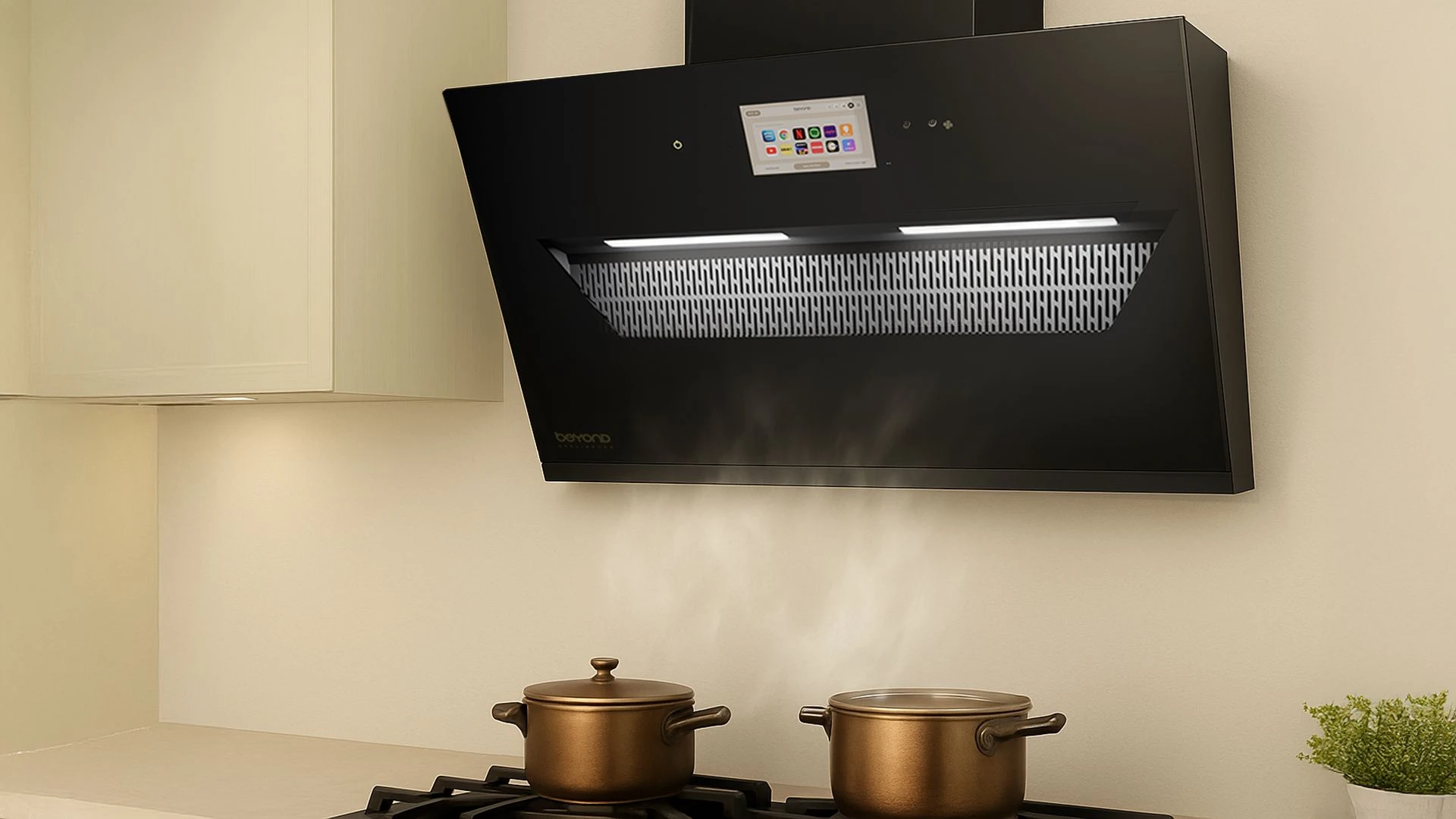
Cooking oil creates invisible challenges in your kitchen that go far beyond what meets the eye. When you heat oil for frying, sautéing, or deep cooking, tiny particles escape into the air and travel directly toward your chimney system. These oil vapors don't just disappear—they stick, accumulate, and gradually reduce your chimney's ability to extract smoke and odors effectively. Understanding the impact of cooking oil on chimney suction helps you maintain a healthier kitchen environment and protect your valuable ventilation investment. The relationship between cooking oils and chimney performance affects everything from air quality to equipment longevity, making this knowledge essential for every home cook.
Cooking oil fumes behave differently than regular steam or smoke when they encounter your chimney system. Oil particles are heavier and stickier than water vapor, which means they don't flow through ventilation ducts as easily. When oil reaches its smoke point during cooking, it releases microscopic droplets that your chimney must work harder to extract. The temperature of cooking oil directly influences how these particles behave in your ventilation system. Higher temperatures create more volatile oil vapors that spread quickly throughout your kitchen. These heated oil particles tend to condense when they hit cooler surfaces inside your chimney, creating the first layer of what eventually becomes problematic grease buildup. Different types of cooking oils produce varying levels of vapor and residue. Oils with lower smoke points, such as extra virgin olive oil, begin releasing particles at around 375°F. Meanwhile, oils like avocado or refined coconut oil can withstand higher temperatures before creating significant vapor. This difference affects how much your chimney system needs to work during different cooking methods. Immediate effects include reduced airflow and decreased suction power, while long-term impacts involve permanent damage to internal components. Your chimney's motor works harder to maintain proper ventilation when oil particles clog filters and coat internal surfaces, leading to increased energy consumption and shorter equipment lifespan.
Grease extraction becomes challenging when cooking oil transforms from liquid to sticky residue inside your chimney system. This transformation happens gradually as oil vapors cool and solidify on metal surfaces, filters, and ductwork. The process accelerates in areas where airflow slows down or where temperatures fluctuate significantly. Chimney grease buildup typically occurs in three main locations within your ventilation system. The first area is the filter system, where oil particles get trapped and accumulate over time. The second location is the internal ductwork, where oil vapors condense and stick to walls. The third area is the exhaust outlet, where external temperature differences cause rapid cooling and condensation.
Visible oil stains around your chimney or on nearby walls indicate significant grease buildup. Reduced suction power becomes noticeable when smoke and odors linger longer in your kitchen during cooking. Unusual noises from your chimney motor suggest that components are working harder due to restricted airflow.
Excessive grease buildup creates fire hazards and reduces indoor air quality. Accumulated oil residue can ignite under high temperatures, while blocked ventilation allows harmful cooking fumes to remain in your kitchen space. These conditions particularly affect family members with respiratory sensitivities or allergies.
Proper kitchen ventilation requires understanding how oil vapors move through your cooking space and into your chimney system. Effective ventilation design considers the volume of air that needs to be moved, the types of cooking you do regularly, and the layout of your kitchen. Oil-heavy cooking demands higher CFM (cubic feet per minute) ratings to handle the additional particle load. Ventilation systems must be sized appropriately for your cooking habits and kitchen size. A standard recommendation suggests 100 CFM per linear foot of cooking surface, but oil-heavy cooking may require 150 CFM or more. This increased capacity ensures that oil vapors are captured before they can spread throughout your kitchen or settle on surfaces.
Kitchens that frequently use oil for frying or sautéing benefit from specialized ventilation features. Multiple speed settings allow you to adjust suction power based on cooking intensity. Heat sensors can automatically increase fan speed when oil temperatures rise significantly.
Upgrading your current chimney system for better oil vapor management often involves improving filtration rather than complete replacement. Modern baffle filters handle oil particles more effectively than traditional mesh filters, while maintaining adequate airflow for proper ventilation.
Chimney cleaning becomes more critical when your cooking involves regular oil use. Professional maintenance should occur every 3-6 months for kitchens with heavy oil cooking, compared to annual cleaning for lighter cooking styles. This increased frequency prevents grease buildup from reaching levels that could damage your equipment or create safety hazards. DIY maintenance includes regular filter cleaning and visual inspection of accessible components. Baffle filters can be cleaned in dishwashers or with degreasing agents, while mesh filters may require soaking in warm, soapy water. However, internal ductwork and motor components require professional attention to avoid damage.
Pre-monsoon cleaning prevents moisture from combining with oil residue to create stubborn deposits. Post-festival maintenance addresses increased cooking activity during celebration periods. Regular quarterly inspections help identify problems before they become expensive repairs.
Investing in quality filters reduces long-term maintenance costs by protecting internal components. Establishing relationships with reliable service providers often results in better pricing for regular maintenance contracts. Prompt attention to minor issues prevents major repairs that could cost significantly more.
Yes, different oils have varying smoke points and vapor production rates. Oils with lower smoke points like extra virgin olive oil create more particles at lower temperatures, while refined oils with higher smoke points produce less vapor during normal cooking. However, all oils will eventually create some level of residue that affects chimney performance.
For kitchens with daily oil cooking, professional cleaning every 3-4 months is recommended. Filter cleaning should happen weekly or bi-weekly depending on usage intensity. Visual inspections monthly help identify when additional cleaning might be needed between scheduled services.
Key indicators include lingering cooking odors, visible smoke remaining in the kitchen longer than usual, oil stains appearing around the chimney area, and increased noise from the motor. You might also notice grease spots on nearby walls or cabinets that weren't there before.
Extensive grease buildup can cause permanent damage to motors, internal components, and ductwork if left untreated. However, regular maintenance and prompt cleaning prevent most long-term damage. Modern chimney systems are designed to handle oil vapors when properly maintained.
Using lower cooking temperatures, covering pans when possible, and choosing oils with appropriate smoke points for your cooking method all help reduce vapor production. Steaming, poaching, and baking produce less oil vapor than frying or high-temperature sautéing.
Professional chimney cleaning typically costs between INR 1,500 to INR 3,500 depending on your location, chimney type, and level of buildup. Regular maintenance contracts often provide better value than individual service calls, with annual packages ranging from INR 4,000 to INR 8,000.
The impact of cooking oil on chimney suction represents a manageable challenge with the right knowledge and maintenance approach. Understanding how oil vapors behave in your ventilation system helps you make informed decisions about cooking methods, maintenance schedules, and equipment upgrades. Regular cleaning, appropriate ventilation capacity, and quality filtration systems work together to maintain optimal performance even in oil-heavy cooking environments. By staying proactive about maintenance and being mindful of cooking practices, you can enjoy the benefits of oil-based cooking while maintaining excellent kitchen air quality and chimney performance for years to come.
