

Complete Guide: Cassette Filter Chimney Explained
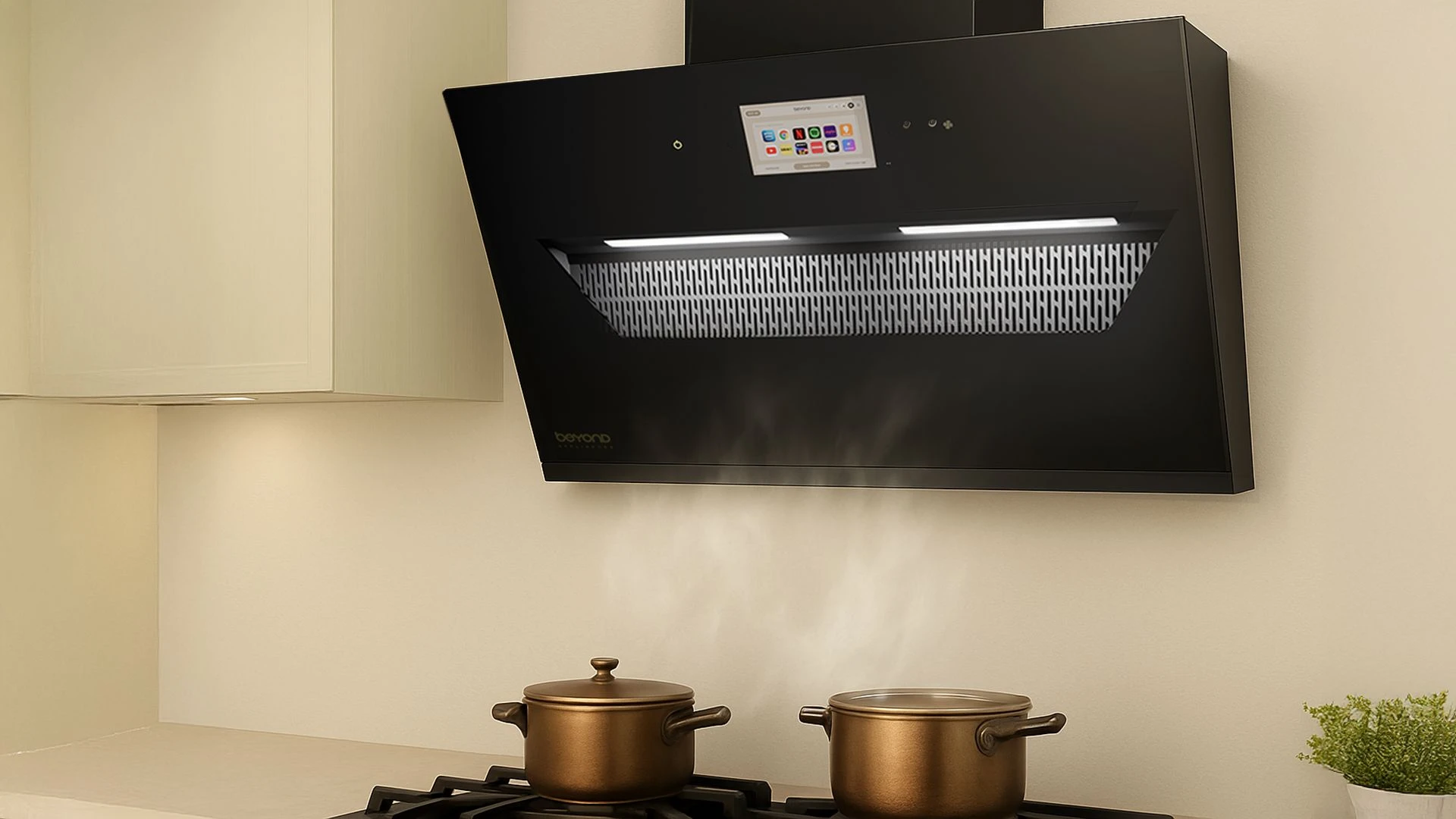
Kitchen chimneys have become essential appliances in modern homes, helping maintain clean air and a comfortable cooking environment. Among the various types available, cassette filter chimneys stand out as a popular choice for many homeowners. These chimneys use a specific filtration system that effectively captures grease, smoke, and cooking odors. Understanding how cassette filter technology works can help you make an informed decision for your kitchen ventilation needs.
A cassette filter chimney is a type of kitchen chimney that uses removable cassette-style filters to trap grease, oil particles, and smoke from cooking. The term "cassette" refers to the rectangular, box-like shape of the filters that slide in and out of the chimney unit like a cassette tape. These filters are typically made of aluminum mesh or stainless steel and can be easily removed for cleaning or replacement.
Unlike other chimney filter types, cassette filters work through multiple layers of fine mesh that create a maze-like path for air to pass through. This design forces grease particles and smoke to stick to the filter surfaces while allowing clean air to flow back into the kitchen. The system is particularly effective for moderate cooking needs and offers excellent value for money.
The filtration process begins when the chimney motor draws cooking fumes through the cassette filter. As air passes through the layered mesh structure, larger grease particles get trapped in the outer layers. Smaller particles continue through additional mesh layers, where they eventually stick to the filter material. This multi-stage filtration ensures that most cooking pollutants are captured before air is either expelled outside or recirculated back into the kitchen.
The market offers several variations of cassette filter chimneys to suit different kitchen layouts and cooking requirements. Ductless chimney models with cassette filters are perfect for kitchens where external ducting is not possible. These units filter and recirculate air back into the kitchen, making them ideal for apartments and compact homes.
Auto clean chimney variants combine cassette filtration with automated cleaning features. These models use heat or oil collection systems to reduce manual maintenance requirements. Size options typically range from 60cm to 90cm, accommodating different cooktop configurations and kitchen dimensions.
Ductless models rely entirely on cassette filters to clean air before recirculation. Ducted versions use cassette filters as a pre-filtration stage before expelling air outside through ducts. The choice depends on your kitchen setup and local building regulations.
When comparing kitchen exhaust options, cassette filters offer distinct advantages and limitations compared to other filter types. Baffle filters, made of stainless steel curves, provide superior grease separation and require less frequent cleaning. However, cassette filters are more affordable and easier to replace when damaged.
Mesh filters, while similar in appearance, typically use single-layer construction that makes them less effective than multi-layer cassette designs. Carbon filters excel at odor removal but cannot handle grease effectively, making them suitable only as secondary filters in recirculating systems.
Cassette filters typically achieve 70-80% grease filtration efficiency, while baffle filters can reach 85-90%. However, cassette filters cost significantly less to replace and maintain, making them practical for budget-conscious households with moderate cooking needs.
Proper installation ensures optimal performance and safety of your kitchen ventilation system. Begin by selecting an appropriate mounting height, typically 24-30 inches above gas cooktops and 20-24 inches above electric surfaces. Ensure adequate electrical supply and proper wall support for the chimney weight.
For ducted installations, plan the ductwork route to minimize bends and maintain proper slope for condensation drainage. Ductless models require adequate clearance around the unit for proper air circulation. Always follow manufacturer specifications and local building codes during installation.
While basic wall-mounted installations can be DIY projects, complex ducting work or electrical connections should be handled by professionals. Professional installation ensures warranty compliance and optimal performance while reducing safety risks.
Filter cleaning is crucial for maintaining chimney performance and preventing fire hazards. Remove cassette filters monthly or after every 15-20 cooking hours, depending on usage intensity. Soak filters in warm water mixed with degreasing detergent for 15-20 minutes before scrubbing with a soft brush.
For stubborn grease buildup, use a mixture of baking soda and dish soap. Rinse thoroughly and allow complete drying before reinstalling. Regular chimney maintenance also includes cleaning the motor housing, checking electrical connections, and inspecting ductwork for blockages.
Replace cassette filters when mesh becomes damaged, cleaning becomes ineffective, or grease buildup cannot be removed completely. Quality filters typically last 12-18 months with proper maintenance.
Cassette filter chimneys offer several advantages for modern kitchens. The primary benefit is easy maintenance, as filters can be quickly removed and cleaned without tools. Replacement costs remain affordable, typically ranging from INR 500 to INR 1,500 per filter set. The multi-layer design provides effective grease filter performance for most cooking styles.
However, these systems require more frequent cleaning compared to baffle filter alternatives. Heavy cooking with lots of oil and spices may overwhelm cassette filters, reducing their effectiveness. The mesh design can also trap food particles more easily than smooth baffle surfaces.
Initial purchase costs are generally lower than baffle filter models, but ongoing maintenance and replacement expenses should be factored into long-term ownership costs.
Clean cassette filters every 3-4 weeks with regular cooking or after 15-20 hours of use. Heavy cooking may require weekly cleaning to maintain optimal performance.
Most aluminum cassette filters are dishwasher-safe on the top rack using normal cycle settings. Check manufacturer guidelines before dishwasher cleaning to avoid damage.
Quality cassette filters last 12-18 months with proper maintenance. Replacement becomes necessary when cleaning no longer restores effectiveness or when mesh damage occurs.
Baffle filters generally perform better for heavy Indian cooking with lots of oil and spices. Cassette filters work well for moderate cooking but may require more frequent maintenance with intensive use.
Replacement cassette filters typically cost between INR 500 to INR 1,500 per set, depending on size and quality. Premium stainless steel variants may cost up to INR 2,500.
Filter type changes usually require different chimney models, as the housing and mounting systems differ. Consult manufacturer specifications before attempting any modifications.
Cassette filter chimneys provide an excellent balance of performance and affordability for most kitchen ventilation needs. Their easy maintenance and reasonable replacement costs make them practical choices for budget-conscious homeowners. While they may not match the performance of premium baffle filter systems, cassette filters deliver reliable grease and smoke filtration when properly maintained. Consider your cooking style, maintenance preferences, and budget when choosing between cassette and other filter technologies for your kitchen chimney system.
