

Choosing Your First Hob: A Complete Beginner's Guide
Buying your first hob can feel overwhelming with so many options available. The right choice will transform your cooking experience, making meal preparation more enjoyable and efficient. Many beginners make costly mistakes by focusing only on price or choosing the wrong type for their cooking style. This comprehensive guide will walk you through everything you need to know about choosing hob for beginners, from understanding different types to installation considerations. Whether you're setting up your first kitchen or upgrading from a basic setup, you'll learn to make an informed decision that suits your lifestyle and budget perfectly.
The foundation of smart hob buying guide decisions starts with understanding the three main types available. Each type offers unique advantages and suits different cooking styles and kitchen setups.
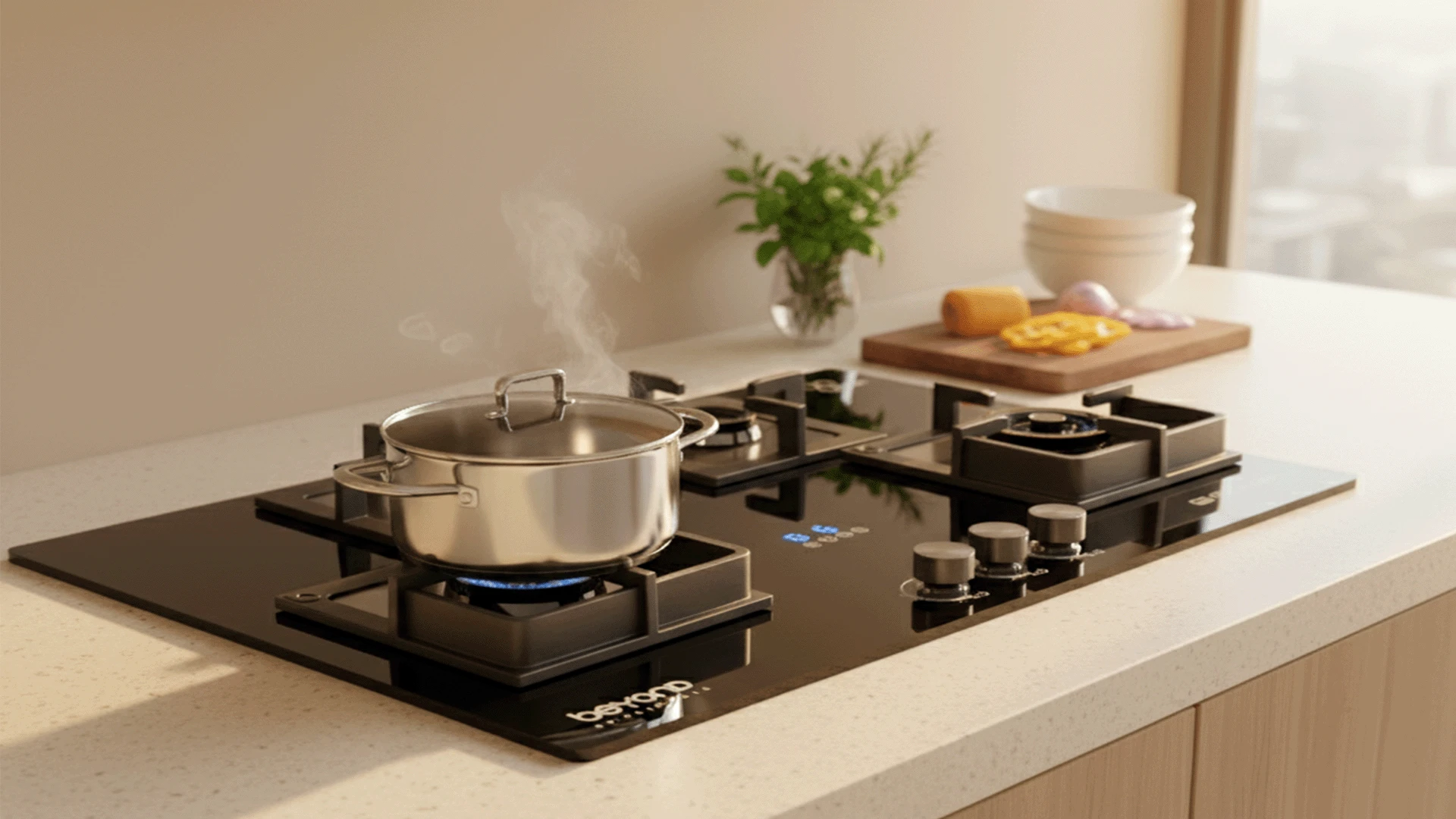
Gas hobs provide instant heat control and visual flame indicators that many cooks prefer. The open flame allows for precise temperature adjustments and works with all cookware types. Gas hob safety features include automatic ignition systems and flame failure devices that cut gas supply if flames extinguish accidentally. Professional chefs often choose gas for techniques like charring vegetables or achieving high-heat searing.
Electric hob reviews consistently highlight their reliability and even heat distribution. Ceramic electric hobs offer smooth surfaces that are easy to clean, while solid plate versions provide durability at lower costs. These hobs maintain consistent temperatures once heated and work well for slow cooking methods like simmering sauces or melting chocolate.
Induction hob benefits include rapid heating, precise temperature control, and enhanced safety features. The cooking surface remains cool to touch, reducing burn risks significantly. Energy efficiency rates reach up to 90% compared to 40-50% for gas hobs. However, induction requires magnetic cookware like cast iron or stainless steel.
Successful hob selection depends on evaluating your specific needs and kitchen constraints. Consider these crucial factors before making your purchase decision.
Standard hob dimensions typically measure 60cm width, though compact 30cm and larger 90cm options exist. Four-burner models usually require 60cm x 52cm space for built-in installation. Measure your kitchen counter carefully, accounting for ventilation clearances around the hob. Freestanding units offer flexibility but require adequate counter space and proper ventilation.
Assess your cooking frequency and preferred methods honestly. Heavy cooking requires powerful burners and durable construction. Small families might prefer compact two-burner models, while frequent entertainers benefit from larger four or five-burner configurations. Budget considerations should include purchase price, installation costs, and ongoing energy expenses.
Hob installation tips emphasize the importance of professional setup for safety and warranty compliance. Gas hobs require certified technicians for connection and safety testing. Electric models need appropriate circuit capacity and proper earthing. Induction hobs may require electrical upgrades due to higher power requirements.
Prioritizing safety protects your family and ensures years of trouble-free cooking. Understanding basic safety protocols prevents accidents and extends appliance lifespan. Gas hob safety protocols include regular leak checks using soapy water solutions and ensuring adequate ventilation during cooking. Never leave gas flames unattended and keep flammable materials away from burners. Electric and induction models require different precautions, including avoiding water contact with electrical components and using appropriate cookware. Child safety features like control locks and residual heat indicators provide additional protection. Install these features during initial setup and teach family members proper operating procedures.
Choosing reputable brands ensures reliable performance and comprehensive after-sales support. Research warranty terms, service network availability, and customer feedback before deciding. Best hob brands typically offer extended warranty periods and responsive customer service. Look for certifications from recognized safety organizations and energy efficiency ratings. Premium features like timer functions, child locks, and automatic shut-off justify higher prices through enhanced convenience and safety. Read professional reviews and customer testimonials to understand real-world performance. Consider total cost of ownership, including energy consumption and maintenance requirements.
Learning proper hob cooking techniques maximizes your appliance investment and improves cooking results. Each hob type requires slightly different approaches for optimal performance. Gas hobs excel at high-heat cooking like stir-frying and quick searing. Adjust flame size to match pan diameter for efficient heat transfer. Electric hobs work best with flat-bottomed cookware and benefit from preheating before adding ingredients. Induction cooking responds instantly to control adjustments, making it perfect for delicate techniques like tempering chocolate. Invest in quality cookware appropriate for your hob type. Heavy-bottomed pans distribute heat evenly, while magnetic cookware is essential for induction models.
Kitchen hob maintenance extends appliance life and maintains optimal performance. Daily cleaning prevents buildup that can affect heating efficiency and create safety hazards. Clean spills immediately to prevent staining and damage. Use manufacturer-recommended cleaning products and avoid abrasive materials that scratch surfaces. Schedule professional servicing annually for gas models and inspect electrical connections regularly for electric units. Hob energy efficiency improves with proper maintenance. Clean burner ports on gas hobs ensure complete combustion, while smooth electric surfaces transfer heat more effectively. Replace worn components promptly to maintain safety and performance standards.
Prioritize your cooking style, kitchen space, and budget. Consider fuel type availability, installation requirements, and ongoing operating costs. Safety features and warranty coverage are equally important for first-time buyers.
Measure your available counter space, accounting for ventilation clearances. Standard 60cm models suit most kitchens, while compact 30cm units work for small spaces. Consider your cooking needs and family size when choosing burner quantity.
Higher wattage provides faster heating and better performance for large cookware. Choose 1600 watts for frequent cooking or large families. 1200 watts suffices for light cooking and smaller households while consuming less energy.
Yes, induction requires magnetic cookware like cast iron, carbon steel, or magnetic stainless steel. Test existing pans with a magnet - if it sticks strongly, the cookware will work on induction surfaces.
Choosing your first hob becomes manageable when you understand your specific needs and available options. Gas hobs offer traditional cooking control, electric models provide reliability, and induction delivers efficiency and safety. Consider your kitchen space, cooking habits, and budget constraints when making decisions. Prioritize safety features and choose reputable brands with comprehensive warranty coverage. Proper installation and regular maintenance ensure years of reliable performance and cooking enjoyment.
