

Chimney vs Kitchen Air Purifier: Complete Guide
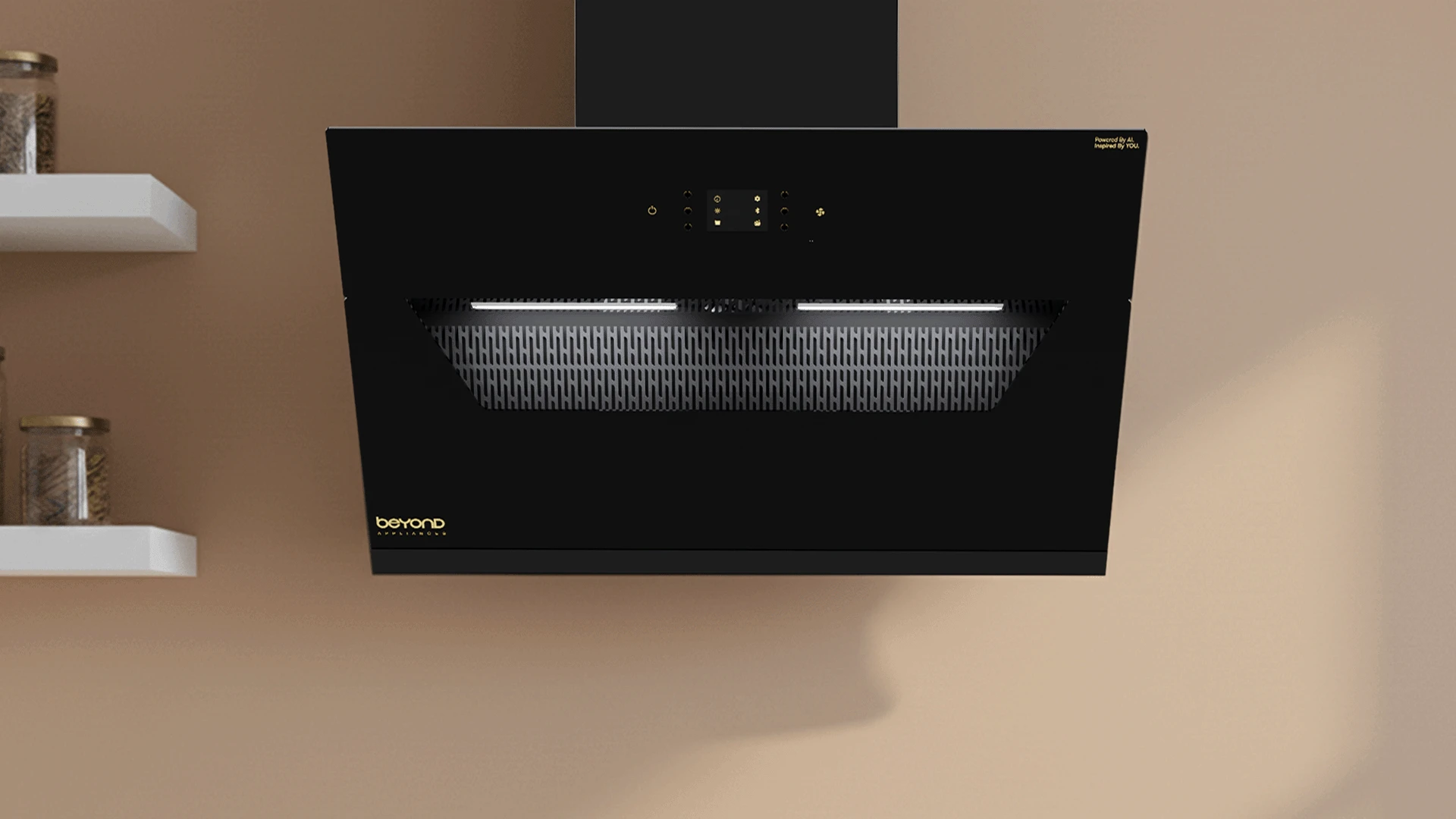
Choosing the right ventilation system for your kitchen can feel overwhelming. With rising concerns about indoor air quality and the need for effective smoke removal, homeowners often find themselves comparing chimney vs kitchen air purifier options. Both systems serve important roles in maintaining a healthy kitchen environment, but they work differently and excel in different scenarios. Understanding these differences helps you make an informed decision that suits your cooking habits, budget, and kitchen layout. Whether you're dealing with heavy Indian cooking or looking for comprehensive air cleaning, the right choice depends on your specific needs and circumstances.
Kitchen ventilation systems play a crucial role in maintaining indoor air quality and creating a comfortable cooking environment. The two main options available today are traditional kitchen chimneys and modern air purifiers, each designed with different approaches to air cleaning and pollution control.
A kitchen chimney is a ventilation appliance installed directly above your cooking area to extract smoke, steam, grease, and cooking odors at their source. Modern chimneys come in various designs including T-shaped, curved, and slant or inclined models to suit different kitchen layouts. Ducted chimneys expel air outside through external venting, while ductless chimneys filter and recirculate air back into the kitchen. Advanced models now feature motion sensor control for hands-free operation and powerful suction capabilities like 1408 CMH suction designed specifically for Indian cooking styles.
A kitchen air purifier is a standalone device that continuously cleans ambient air by removing particles, allergens, and pollutants through advanced filtration systems. Unlike chimneys that focus on direct extraction, air purifiers work by drawing air through multiple filter stages including HEPA filters, activated carbon layers, and sometimes UV sterilization. These devices excel at capturing fine particles, dust, pollen, and ambient odors that may linger in the kitchen space after cooking.
The primary difference lies in their approach: chimneys provide direct extraction at the cooking source, while air purifiers offer continuous ambient air cleaning. Installation requirements vary significantly - chimneys need permanent mounting above cooktops with potential ductwork, while air purifiers offer portable or wall-mounted options. Coverage areas also differ, with chimneys focusing on the immediate cooking zone and air purifiers handling broader room coverage.
When evaluating ventilation systems, performance in real cooking conditions becomes the deciding factor. Each system excels in different aspects of air quality management, making it essential to understand their strengths and limitations.
Kitchen chimneys excel at removing heavy cooking emissions including steam, grease particles, and heat generated during frying and sautéing. Their direct suction approach captures pollutants before they spread throughout the kitchen. Modern filterless designs eliminate maintenance hassles while maintaining powerful extraction capabilities. Kitchen air purifiers target different pollutants including dust, pollen, fine particulate matter, and ambient allergens. They work continuously to maintain overall air quality but may struggle with heavy cooking emissions that require immediate extraction.
For smoke removal, chimneys provide superior performance through direct extraction methods that prevent smoke from dispersing into living spaces. Their positioning directly above cooking surfaces ensures maximum capture efficiency. Odor control varies between systems - chimneys eliminate odors by removing them entirely, while air purifiers neutralize odors through filtration. For Indian cooking styles involving frequent frying and spice use, chimneys typically offer better immediate odor management.
Chimneys provide immediate improvement during cooking by preventing pollutants from entering the air. However, their impact is limited to cooking periods. Air purifiers offer continuous air quality enhancement, working 24/7 to maintain clean air. The choice depends on whether you prioritize cooking-specific air quality or overall ambient air cleanliness throughout the day.
Understanding the financial implications helps make a practical decision that fits your budget while delivering the desired air quality improvements. Both initial costs and ongoing expenses play important roles in the total investment.
Kitchen chimneys typically range from INR 8,000 to INR 50,000 depending on features, design, and suction capacity. Premium models with advanced features like dual Bluetooth speakers, FM radio, and auto turn off timers command higher prices. Installation costs add INR 1,500 to INR 5,000 for professional mounting and electrical connections. Kitchen air purifiers range from INR 5,000 to INR 25,000 with minimal installation requirements, making them initially more affordable.
Chimney maintenance involves regular cleaning of filters (for filtered models) or oil collection trays (for filterless models). Dry heat auto clean technology in modern chimneys reduces manual cleaning frequency. Annual maintenance costs typically range from INR 2,000 to INR 5,000. Air purifiers require filter replacements every 6-12 months, costing INR 1,500 to INR 4,000 annually depending on usage and filter types.
Chimneys generally offer 8-12 years of service life with proper maintenance, while air purifiers typically last 5-8 years. When calculated per year of operation, chimneys often provide better value for heavy cooking households. The extended warranty options available for quality chimneys further enhance their long-term value proposition.
Practical considerations around installation and space utilization often determine which system works best for your specific kitchen layout and living situation.
Chimney installation requires adequate space above the cooktop - typically 24-30 inches clearance for optimal performance. T-shaped chimneys need more vertical space, while curved and slant designs work better in kitchens with limited height. Ducted installations require external venting access, which may not be available in all apartments. Electrical requirements include dedicated power connections and proper grounding for safety.
Air purifiers offer flexible placement options including countertop, wall-mounted, or floor-standing positions. Optimal placement involves positioning them away from direct cooking heat while ensuring good air circulation. Many models are portable, allowing movement between rooms as needed. This flexibility makes them ideal for rental properties or frequently changing kitchen layouts.
Apartment dwellers often face restrictions on permanent installations and external venting. Air purifiers work well in these situations, requiring no structural modifications. Houses with dedicated kitchens and external wall access benefit more from chimney installations. Building permissions and society regulations may limit chimney installation options in some residential complexes.
Making the right choice depends on matching system capabilities with your specific cooking habits, kitchen setup, and air quality goals.
Heavy Indian cooking involving frequent frying, tadka preparation, and spice grinding generates significant smoke and grease that requires immediate extraction. Permanent kitchen setups with adequate installation space benefit from chimney efficiency. High heat cooking methods and oil-based preparations create conditions where direct extraction proves most effective. Available external venting or sufficient space for ductless operation makes chimney installation practical.
Light to moderate cooking with minimal frying suits air purifier capabilities better. Rental properties or temporary living situations benefit from portable, non-permanent solutions. Existing exhaust fans or basic ventilation systems can work alongside air purifiers for enhanced air quality. Focus on overall indoor air quality beyond cooking times makes continuous air purification valuable.
Combining both systems creates comprehensive kitchen ventilation - chimneys handle direct cooking emissions while air purifiers manage ambient air quality. This approach works well for serious cooking enthusiasts who want maximum air quality control. The combined investment provides redundancy and covers different aspects of air pollution, though it requires higher initial costs.
Kitchen chimneys require higher initial investment, need adequate installation space, and involve more complex setup compared to simple exhaust fans. Regular maintenance of filters or cleaning systems is necessary, and ducted models require external venting access which may not be available in all locations.
Yes, chimneys significantly reduce indoor air pollution by directly extracting cooking emissions, steam, grease particles, and odors at their source. This prevents pollutants from dispersing throughout the kitchen and adjacent living spaces, maintaining better overall air quality.
Kitchen air purifiers effectively capture ambient smoke particles, cooking odors, and general air pollutants. Position them away from direct heat and steam sources while ensuring good air circulation. They work best as supplementary systems alongside primary ventilation.
Filterless chimneys work better for heavy Indian cooking as they avoid filter clogging from oil and spice particles. They use dry heat auto clean technology and oil collection systems that require less frequent maintenance compared to traditional baffle filter models.
Yes, combining both systems creates optimal kitchen ventilation. The chimney handles direct cooking emissions while the air purifier manages ambient air quality and residual particles. This hybrid approach provides comprehensive air quality management for serious cooking enthusiasts.
For heavy cooking households, chimneys typically offer better long-term value despite higher initial costs. Air purifiers suit light cooking needs with lower upfront investment but require ongoing filter replacement costs. Calculate total cost of ownership based on your specific usage patterns.
The chimney vs kitchen air purifier decision ultimately depends on your cooking style, kitchen setup, and air quality priorities. Chimneys excel at direct extraction of cooking emissions and work best for heavy Indian cooking, while air purifiers provide continuous ambient air cleaning suitable for lighter cooking needs. Consider your budget, installation constraints, and long-term maintenance preferences when making this important decision. For optimal results, evaluate your specific needs against each system's strengths to choose the solution that best supports your healthy kitchen goals.
