

Chimney Overheating: Your Essential Safety Checklist
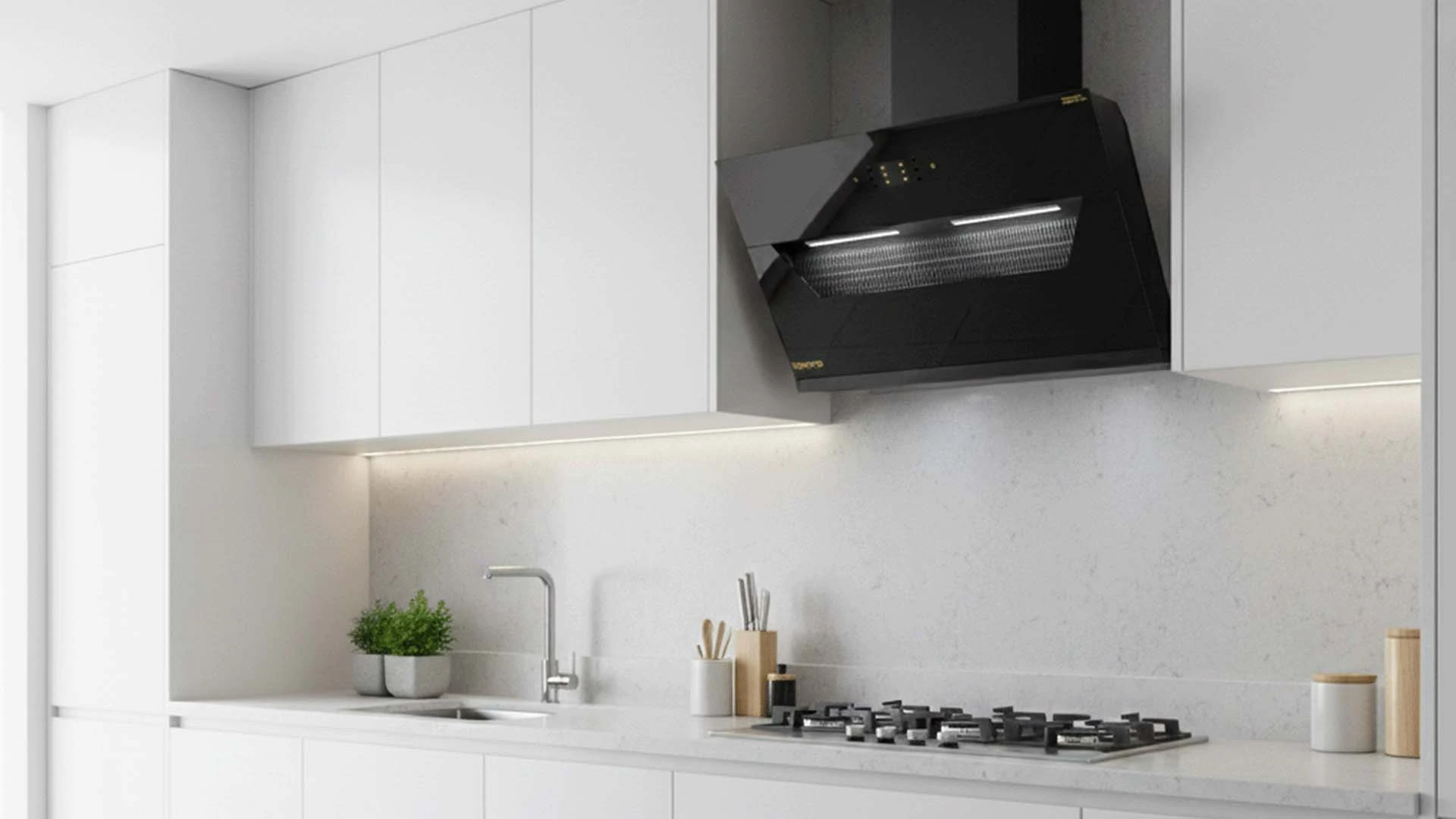
Chimney overheating poses serious risks to your home and family safety, from potential fires to dangerous carbon monoxide exposure. Whether you're dealing with a traditional fireplace, wood stove, or kitchen chimney, understanding the warning signs and prevention strategies is crucial for maintaining a safe living environment. This comprehensive safety checklist will guide you through identifying chimney overheating issues, recognizing dangerous creosote buildup, and implementing proper maintenance practices. By following these essential steps, you'll protect your property from smoke damage, prevent costly repairs, and ensure your heating system operates safely throughout the year.
Chimney overheating occurs when excessive heat builds up within the flue system, creating dangerous conditions that can lead to structural damage and fire hazards. The primary culprit behind most chimney overheating issues is improper ventilation combined with accumulated debris or creosote deposits that restrict airflow.
Several factors contribute to dangerous temperature spikes in chimney systems:
Creosote buildup from incomplete wood combustion
Blocked or partially obstructed flues
Improper chimney sizing for your heating appliance
Damaged or deteriorated chimney liner
Excessive fuel loading in wood stoves
Early detection of overheating prevents catastrophic damage:
Discolored or cracked chimney exterior
White staining (efflorescence) on chimney walls
Damaged roof materials around the chimney base
Unusual odors during operation
Visible smoke entering living spaces
Before lighting any fire, conducting a thorough chimney inspection ensures safe operation and identifies potential hazards. This critical step prevents most overheating incidents and protects your investment in heating equipment.
Start your inspection by examining the chimney's external condition:
Check for cracks, loose mortar, or damaged bricks
Inspect the chimney cap and spark arrestor
Verify proper clearance from roof materials
Look for rust stains or white mineral deposits
Use a flashlight to inspect accessible portions of the flue:
Check for creosote buildup or debris accumulation
Look for damaged or missing mortar joints
Verify the damper opens and closes properly
Inspect for animal nests or foreign objects
Creosote buildup represents the most significant threat to chimney safety, as this highly flammable substance can ignite and cause devastating chimney fires. Understanding how to minimize creosote formation and remove existing deposits is essential for preventing overheating incidents.
Different burning conditions create varying creosote consistencies:
Stage 1: Flaky, easy-to-remove deposits from proper burning
Stage 2: Tar-like substance requiring professional removal
Stage 3: Hard, glazed coating that's extremely dangerous
Proper burning techniques significantly reduce creosote formation:
Burn only seasoned hardwood with moisture content below 20%
Maintain hot, complete combustion fires
Avoid smoldering or overnight burns
Ensure adequate air supply to the fire
Maintaining adequate airflow prevents dangerous heat accumulation and ensures complete combustion. Poor ventilation creates conditions that promote creosote buildup and increase the risk of carbon monoxide exposure.
Proper damper management controls airflow and prevents overheating:
Open damper fully before lighting fires
Adjust gradually to maintain proper draft
Never close damper with active embers present
Check damper functionality during regular maintenance
Flue blockage severely restricts airflow and creates dangerous conditions:
Remove debris, leaves, or animal nests promptly
Install chimney caps to prevent future blockages
Schedule professional cleaning for stubborn obstructions
Monitor for ice dam formation in winter months
Wood stove problems often stem from improper operation or inadequate maintenance, leading to overheating and potential fire hazards. Following manufacturer guidelines and implementing proper safety protocols ensures efficient, safe operation.
Choosing appropriate fuel prevents excessive heat generation:
Use only dry, seasoned hardwood species
Avoid burning treated lumber, cardboard, or trash
Load fuel gradually to prevent temperature spikes
Monitor stove thermometer to maintain optimal temperatures
Proper clearances prevent heat transfer to combustible materials:
Maintain minimum distances from walls and furniture
Install heat shields where required by manufacturer
Ensure adequate floor protection beneath the stove
Keep combustible materials away from hot surfaces
Consistent chimney maintenance prevents most overheating issues and extends the life of your heating system. Establishing a routine maintenance schedule ensures early detection of problems before they become dangerous.
Regular monthly checks identify developing issues:
Visual inspection of exterior chimney condition
Check damper operation and sealing
Monitor for unusual odors or smoke patterns
Verify proper operation of chimney cap and screen
Professional maintenance addresses complex safety concerns:
Complete chimney cleaning and inspection
Flue liner assessment and repair
Structural integrity evaluation
Carbon monoxide testing and safety verification
When chimney overheating issues escalate to emergency situations, quick action prevents catastrophic damage and protects lives. Understanding proper emergency procedures ensures effective response during critical moments.
Take these steps when detecting dangerous overheating:
Immediately stop adding fuel to the fire
Close air vents to reduce oxygen supply
Call fire department if flames are visible in the chimney
Evacuate the building and wait for professional assistance
After any overheating incident, thorough evaluation is essential:
Schedule immediate professional inspection
Document damage for insurance purposes
Avoid using the chimney until cleared by professionals
Address any smoke damage to interior spaces
Investing in proper fireplace safety and maintenance prevents costly emergency repairs and protects your property value. Understanding typical costs helps homeowners budget for essential safety measures.
Regular maintenance represents the most cost-effective safety investment:
Annual cleaning and inspection: INR 3,000-8,000
Minor repairs and adjustments: INR 2,000-5,000
Chimney cap installation: INR 4,000-12,000
Creosote removal services: INR 2,500-6,000
Addressing serious issues requires significant investment but prevents catastrophic loss:
Flue liner replacement: INR 25,000-75,000
Structural chimney repairs: INR 15,000-50,000
Complete chimney rebuilding: INR 1,00,000-3,00,000
Fire damage restoration: INR 50,000-2,00,000+
Yes, chimneys can overheat due to excessive creosote buildup, blocked flues, or improper operation. Severe creosote appears as a dark, tar-like substance that combusts at high temperatures, potentially overheating your entire chimney system and creating fire hazards.
Conduct visual inspections monthly during heating season and schedule professional chimney inspection annually. If you notice any warning signs like unusual odors, discoloration, or smoke damage, inspect immediately and contact professionals.
Chimney overheating refers to excessive heat buildup that can damage the structure, while a chimney fire involves actual combustion of creosote deposits. Overheating often precedes fires and should be addressed immediately to prevent escalation.
Install carbon monoxide detectors on every level of your home, ensure proper ventilation, and never ignore signs of poor draft or flue blockage. If detectors alarm or you experience symptoms like headaches or dizziness, evacuate immediately and call professionals.
Immediately reduce air supply by closing vents, stop adding fuel, and monitor the situation closely. If temperatures don't decrease or you see flames in the chimney, evacuate and call the fire department. Never use water on an overheated wood stove as it can cause dangerous steam and thermal shock.
Professional chimney maintenance typically costs INR 3,000-8,000 for annual cleaning and inspection. More extensive services like creosote removal or minor repairs range from INR 2,000-6,000, while major structural work can cost INR 25,000-75,000 depending on the scope.
Preventing chimney overheating issues requires consistent vigilance, proper maintenance, and immediate attention to warning signs. Regular inspections, professional cleaning, and adherence to safety protocols protect your home from chimney fires, smoke damage, and dangerous carbon monoxide exposure. Remember that investing in preventive chimney maintenance costs significantly less than emergency repairs or fire damage restoration. By following this essential safety checklist, you'll ensure your heating system operates safely and efficiently while protecting your family and property from serious hazards. Always prioritize professional assistance when dealing with complex wood stove problems or suspected creosote buildup, as proper heating safety requires expert knowledge and specialized equipment.
