

Chimney Oil Fumes: Your Complete Kitchen Guide
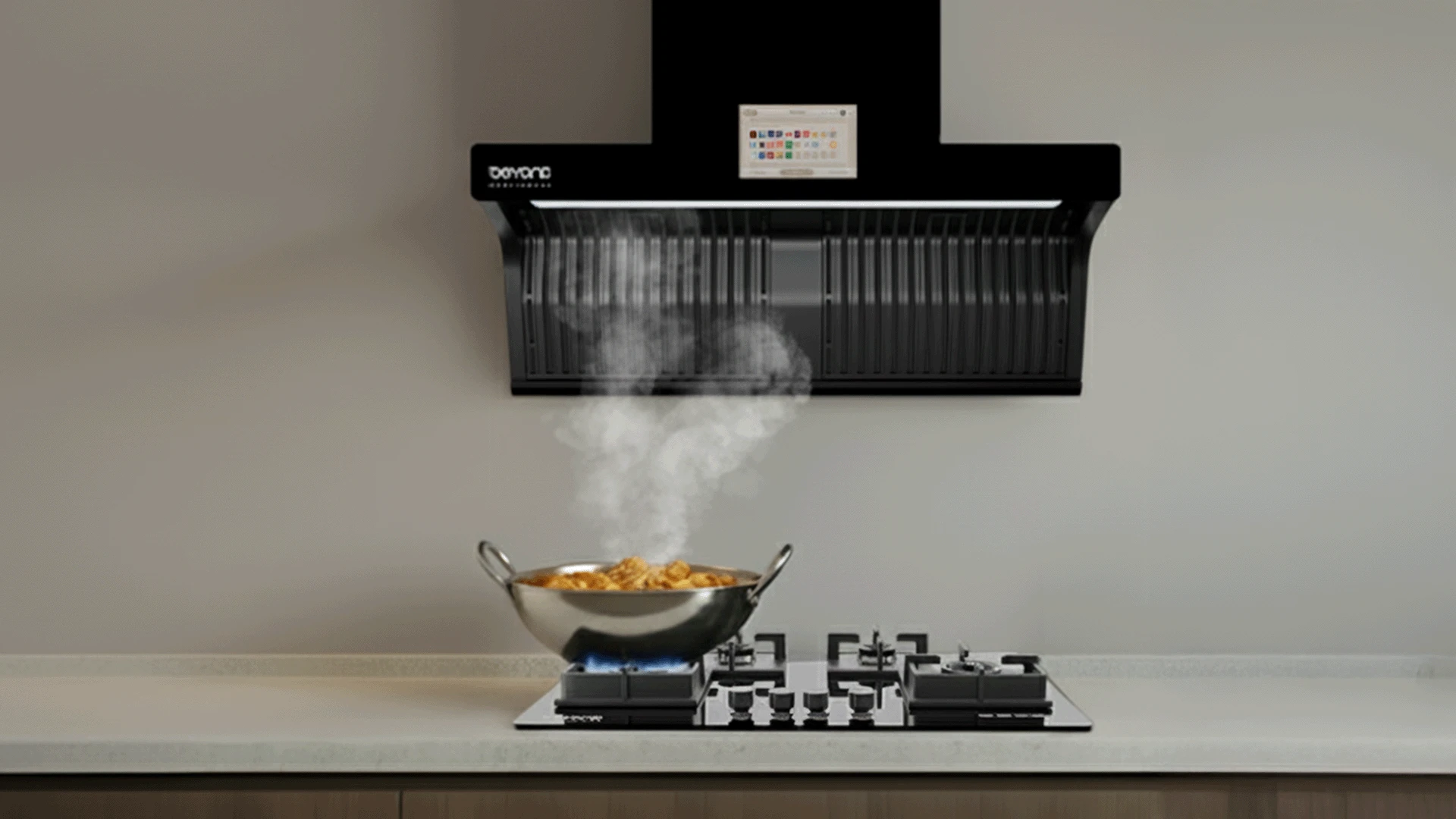
Cooking with oil creates more than just delicious meals—it fills your kitchen with potentially harmful fumes and particles. Many homeowners wonder if their kitchen chimney can effectively tackle these oil-based vapors that seem to linger long after cooking ends. The answer is yes, but the effectiveness depends on several crucial factors including your chimney type, installation, and maintenance routine. Understanding how oil fumes behave and what makes a chimney system truly effective can transform your kitchen from a smoky, odor-filled space into a clean, healthy environment for your family.
Kitchen chimneys work through a sophisticated process that captures and eliminates oil fumes before they spread throughout your home. When you cook with oil, tiny particles become airborne along with steam, smoke, and various cooking vapors. A properly functioning chimney for oil fumes uses powerful suction to draw these particles upward and away from your cooking surface. The oil fumes extraction process begins the moment you turn on your chimney. The motor creates negative pressure above your cooktop, pulling contaminated air through specialized filters. These filters trap grease particles, while the exhaust system either vents them outside or recirculates cleaned air back into your kitchen.
Cubic Feet per Minute (CFM) measures your chimney's suction power. For heavy oil cooking, you need at least 300-400 CFM for standard kitchens. Larger spaces or frequent deep-frying require 600-800 CFM or higher. Insufficient CFM means oil particles escape capture, leading to sticky residue on walls and persistent odors.
Ducted systems excel at removing oil fumes because they vent contaminated air directly outside. Ductless systems filter and recirculate air, which works well for light cooking but struggles with heavy oil use. The choice depends on your cooking style and installation possibilities.
Poor kitchen air quality from oil fumes poses serious health risks that many families overlook. When oil heats beyond its smoke point, it releases harmful compounds including aldehydes, polycyclic aromatic hydrocarbons, and fine particulate matter. These substances can irritate your respiratory system and contribute to long-term health problems. Regular exposure to cooking oil vapors without proper ventilation system for kitchen protection has been linked to increased asthma symptoms, respiratory infections, and even cardiovascular issues. Children and elderly family members face higher risks due to their sensitive respiratory systems.
Within minutes of exposure, you might experience throat irritation, coughing, or watery eyes. These symptoms indicate that oil particles are affecting your respiratory system. Proper ventilation prevents these immediate discomforts.
Studies show that regular exposure to cooking fumes without adequate ventilation increases the risk of lung cancer, particularly among non-smokers. Healthy kitchen living requires effective fume extraction to protect your family's long-term wellbeing.
Choosing the right range hood for cooking oil depends on your kitchen layout, cooking habits, and budget. Each system type offers different advantages for oil fume extraction, and understanding these differences helps you make an informed decision. Ducted chimneys provide superior performance for oil-heavy cooking because they completely remove contaminated air from your kitchen. The installation requires external venting, but the investment pays off through better air quality and reduced cleaning needs.
Ducted systems eliminate oil fumes entirely rather than filtering and recirculating them. This prevents oil particles from settling on kitchen surfaces and eliminates lingering odors. They handle high-volume cooking better than other systems.
Ductless systems use multiple filter stages to clean air before recirculation. While effective for light cooking, they require frequent filter changes when dealing with heavy oil use. The charcoal filters become saturated quickly with oil particles.
Some modern chimneys offer both ducted and ductless operation modes. This flexibility allows optimal performance based on your cooking style and seasonal ventilation needs.
Selecting the best kitchen chimney for oil fume removal requires careful consideration of several technical specifications. The right choice ensures effective cooking fume removal while fitting your kitchen's design and your family's cooking patterns. CFM capacity forms the foundation of effective oil extraction. Calculate your needs based on kitchen size, ceiling height, and cooking frequency. A 10x12 foot kitchen with 9-foot ceilings needs approximately 400-500 CFM for regular cooking, but increase this to 600-700 CFM for frequent oil-based cooking.
Baffle filters excel at capturing oil particles through their maze-like design that forces air to change direction multiple times. Mesh filters work well for light cooking but clog quickly with oil. Charcoal filters in ductless systems need regular replacement when cooking with oil frequently.
Look for chimneys with powerful yet quiet motors. Variable speed controls allow you to adjust suction based on cooking intensity. Auto-clean features help manage oil buildup in the internal components, extending your chimney's lifespan.
Proper installation height affects oil capture efficiency. Mount your chimney 24-30 inches above gas cooktops and 18-24 inches above electric surfaces. Ensure the chimney width matches or exceeds your cooktop width for complete coverage.
Regular maintenance keeps your chimney operating at peak efficiency for removing cooking odors and oil fumes. Neglected chimneys lose suction power and allow oil particles to escape, defeating the purpose of having ventilation. Clean baffle filters monthly when cooking with oil regularly. Soak them in warm, soapy water and scrub gently to remove grease buildup. Replace charcoal filters every 3-6 months depending on usage intensity.
While filter cleaning is manageable at home, annual professional servicing ensures optimal performance. Technicians clean internal components, check motor function, and inspect ductwork for blockages that reduce efficiency.
Reduced suction power, increased noise levels, or persistent cooking odors indicate maintenance needs. Oil residue on kitchen surfaces despite chimney operation suggests filter saturation or inadequate CFM capacity.
Yes, a properly sized and maintained kitchen chimney can effectively remove oil fumes. Ducted systems with adequate CFM capacity (400-600 CFM for most kitchens) provide the best results. The key is matching your chimney's specifications to your cooking style and kitchen size.
Clean baffle filters monthly and replace charcoal filters every 3-4 months when cooking with oil regularly. Deep clean the entire system every 6 months, including internal components and ductwork. Heavy oil users may need more frequent maintenance.
For heavy oil cooking, aim for 600-800 CFM minimum. Calculate based on kitchen volume (length × width × height × 15) and add 100-200 CFM for frequent oil use. Larger kitchens or commercial-style cooking may require 1000+ CFM.
Ductless chimneys can handle light oil cooking but struggle with heavy, frequent oil use. They filter and recirculate air rather than removing it completely. For best results with oil fumes, choose ducted systems when possible.
Persistent oil odors indicate inadequate CFM capacity, dirty filters, improper installation height, or insufficient chimney width. Check that your chimney covers the entire cooktop area and operates at appropriate speed settings during cooking.
Use splatter screens, maintain proper oil temperature, and ensure your chimney operates before heating oil. Position the chimney 24-30 inches above gas burners for optimal capture without interfering with cooking.
Effective oil fume removal requires the right combination of chimney type, proper sizing, and regular maintenance. Ducted systems with adequate CFM capacity provide superior performance for oil-heavy cooking, while ductless systems work better for lighter cooking styles. Regular filter cleaning and professional maintenance ensure your investment continues protecting your family's health and maintaining excellent kitchen air quality. Remember that proper installation height and width coverage are just as important as motor power for capturing oil fumes before they spread throughout your home.
