

Chimney Filter Maintenance: Your Complete Guide
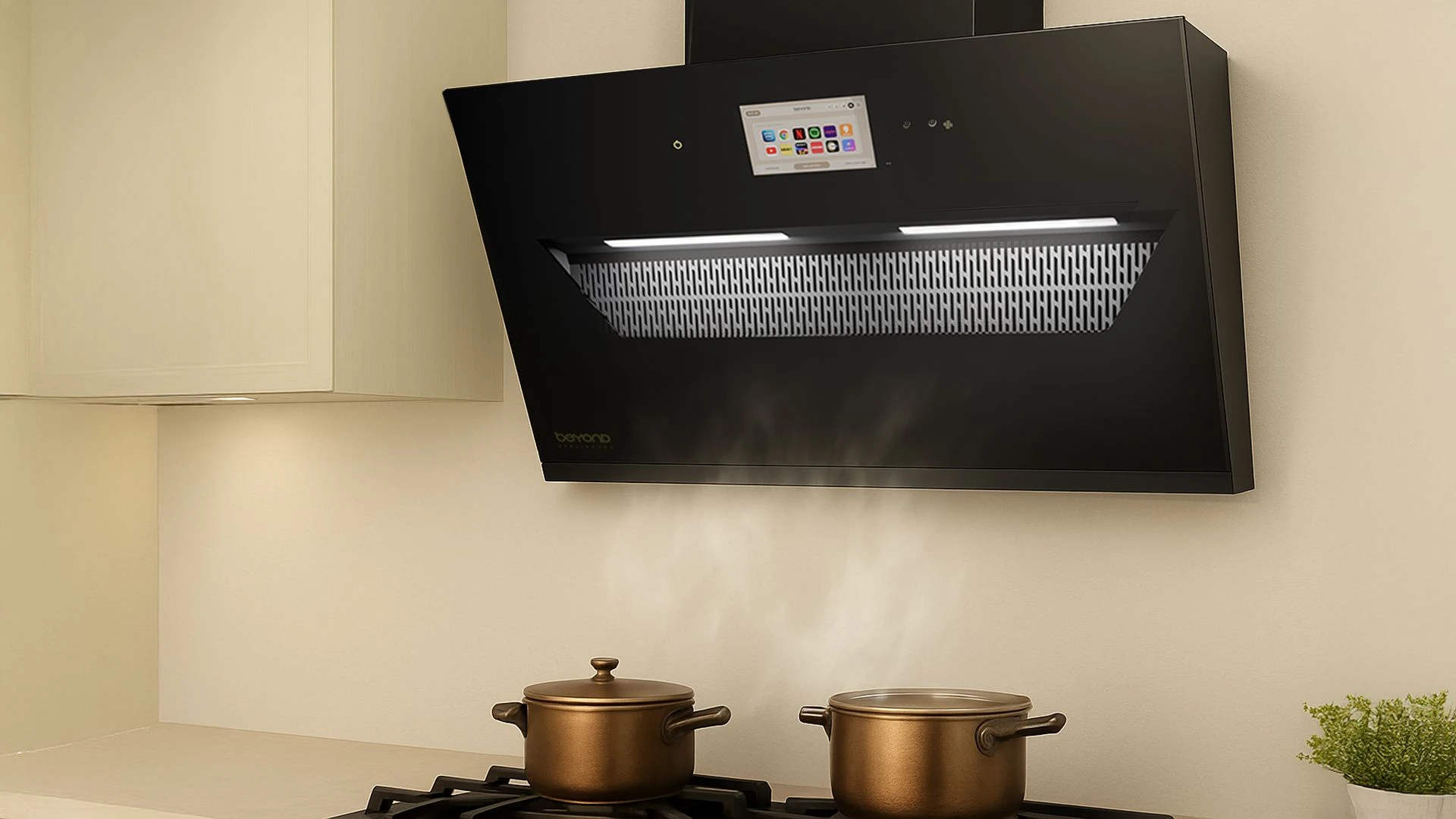
A clean kitchen chimney filter is your first line of defense against grease, smoke, and cooking odors. Yet many homeowners overlook this critical component until their kitchen ventilation fails completely. Proper chimney filter maintenance not only ensures optimal air quality but also extends your appliance's lifespan and prevents costly repairs. Whether you own an Android chimney, T-shaped model, or curved design, understanding filter care fundamentals protects your investment and keeps your kitchen environment healthy. This comprehensive guide covers everything from daily habits to professional-grade cleaning techniques, helping you master the art of chimney filter maintenance.
Your kitchen chimney's effectiveness depends entirely on its filter system. These components trap grease particles, smoke, and airborne contaminants before they spread throughout your home. Understanding how filters work helps you maintain them properly and recognize when intervention is needed. Modern chimneys use sophisticated filtration technology that requires specific care approaches. The filter acts as a barrier, collecting cooking residues that would otherwise coat your kitchen surfaces or circulate through your living spaces.
Baffle filters feature curved metal panels that create turbulence, separating grease from air through centrifugal force. These stainless steel filters are durable and dishwasher-safe, making them popular in premium models. Mesh filters use multiple layers of aluminum or steel mesh to trap particles. They require frequent cleaning but offer excellent grease capture when properly maintained. Charcoal filters contain activated carbon that absorbs odors and smoke. These are essential for ductless chimneys and need regular replacement rather than cleaning. Cassette filters combine mesh and baffle technologies in removable cartridges. They offer convenience but may have higher replacement costs.
Visible grease buildup on filter surfaces indicates immediate cleaning needs. Reduced suction power suggests clogged filters restricting airflow. Persistent cooking odors even with the chimney running signal filter saturation. Unusual noises during operation may indicate debris interfering with fan mechanisms.
A systematic approach to chimney filter maintenance prevents major problems and ensures consistent performance. This checklist breaks down tasks by frequency, making maintenance manageable and effective. Regular attention to these details saves money on repairs and replacements while maintaining optimal kitchen air quality. Consistent maintenance habits are more effective than sporadic deep cleaning sessions. Small, regular efforts prevent the buildup that leads to difficult cleaning challenges and potential damage.
• Wipe exterior surfaces with a damp cloth after cooking • Check that filters are properly seated after use • Run the chimney for 2-3 minutes after cooking to clear residual vapors • Inspect for visible grease accumulation on accessible surfaces
• Remove and rinse mesh filters under warm water • Check baffle filter alignment and positioning • Clean chimney exterior with appropriate cleaners • Test suction power and fan speed settings • Inspect electrical connections for safety
• Disassemble removable filter components completely • Soak heavily soiled filters in degreasing solution • Clean interior chimney surfaces and fan blades • Check and clean grease collection trays • Inspect ductwork connections for leaks or blockages
Proper chimney filter cleaning requires the right tools, techniques, and safety precautions. This professional approach ensures thorough cleaning without damaging delicate components. Following these steps systematically produces restaurant-quality results at home. Safety should always be your first priority when working with kitchen appliances. Proper preparation prevents accidents and protects both you and your equipment.
• Degreasing dish soap or specialized chimney cleaner • Soft-bristled brushes for scrubbing • Microfiber cloths for drying • Rubber gloves for hand protection • Large basin or sink for soaking • Baking soda for stubborn stains • White vinegar for natural degreasing
Turn off power to the chimney at the circuit breaker before starting. Allow the unit to cool completely if recently used. Remove filters according to manufacturer instructions, typically involving clips or sliding mechanisms. Handle components carefully to avoid bending or damaging delicate parts.
Stainless steel baffle filters can withstand hot water and strong degreasers. Soak in warm soapy water for 15-20 minutes, then scrub gently with soft brushes. Aluminum mesh filters require gentler treatment. Use lukewarm water and mild detergent to prevent corrosion or discoloration. Combination filters need component-specific cleaning approaches. Separate different materials when possible for optimal results.
Professional-grade chimney cleaning tips elevate your maintenance routine beyond basic care. These advanced techniques address challenging situations and optimize long-term performance. Implementing these strategies ensures your investment in quality chimneys like Android or T-shaped models pays dividends in durability and efficiency. Expert maintenance approaches often involve understanding the science behind grease removal and airflow optimization. These insights help you work smarter, not harder.
Natural solutions like baking soda paste and vinegar mixtures are eco-friendly and safe for food preparation areas. They work well for regular maintenance but may struggle with heavy buildup. Commercial degreasers offer superior cutting power for stubborn residues. Choose products specifically designed for kitchen applications to ensure safety and effectiveness.
For heavily soiled filters, create a paste using baking soda and water. Apply generously and let sit for 30 minutes before scrubbing. Steam cleaning can loosen particularly stubborn deposits without harsh chemicals.
Chimney filter replacement becomes necessary when cleaning no longer restores proper function. Recognizing replacement timing prevents performance degradation and potential damage to your chimney motor. Quality filters are investments in your kitchen's long-term health and efficiency. Replacement intervals vary significantly based on cooking frequency, filter type, and maintenance quality. Understanding these factors helps you plan and budget appropriately.
Visible damage like cracks, holes, or severe warping indicates immediate replacement needs. Persistent odors after thorough cleaning suggest filter saturation beyond recovery. Reduced airflow despite clean filters may indicate structural deterioration.
Baffle filters typically last 2-3 years with proper maintenance. Mesh filters may need replacement annually in heavy-use kitchens. Charcoal filters require replacement every 3-6 months regardless of cleaning.
Avoiding common maintenance errors protects your investment and ensures optimal performance. These mistakes often seem minor but can lead to significant problems over time. Understanding what not to do is as important as knowing proper techniques. Many homeowners unknowingly damage their filters through well-intentioned but incorrect maintenance approaches. Learning from others' mistakes saves time, money, and frustration.
Over-cleaning with harsh chemicals can damage filter materials and reduce effectiveness. Under-cleaning allows buildup that becomes increasingly difficult to remove and may permanently stain or clog filters.
Using bleach or ammonia-based cleaners can corrode metal components. Abrasive scrubbers scratch surfaces, creating areas where grease accumulates more readily. High-pressure washing can bend or break delicate filter elements.
Clean mesh filters weekly with moderate cooking, baffle filters monthly. Heavy cooking requires more frequent attention. Charcoal filters need replacement every 3-6 months rather than cleaning.
Soak in warm soapy water for 15-20 minutes, then scrub gently with soft brushes. For stubborn grease, use baking soda paste or specialized degreasers designed for kitchen appliances.
Replace filters showing visible damage, persistent odors after cleaning, or significantly reduced airflow. Most filters last 1-3 years depending on type and usage patterns.
Stainless steel baffle filters are generally dishwasher-safe on the top rack. Avoid dishwashers for aluminum mesh or charcoal filters as high heat and harsh detergents can cause damage.
Neglected filters reduce suction power, allow grease to coat kitchen surfaces, create fire hazards, and can damage the chimney motor. Regular maintenance prevents these costly problems.
Replacement filters typically cost INR 500-2000 depending on type and brand. Baffle filters are more expensive but last longer than mesh alternatives.
Yes, baking soda, white vinegar, and lemon juice create effective natural degreasers. These methods are safe for food preparation areas and environmentally responsible.
Effective chimney filter maintenance combines regular cleaning schedules with proper techniques and quality replacement timing. Understanding your specific filter type guides appropriate care methods and replacement intervals. Consistent attention prevents major problems while ensuring optimal kitchen air quality and appliance longevity. Whether you own Android chimneys, T-shaped models, or any other design, these maintenance principles apply universally. Remember that small, regular efforts are more effective than sporadic intensive cleaning sessions. Your commitment to proper filter care protects your investment and maintains a healthy cooking environment for years to come.
