

Chimney Filter Cleaning: Your Kitchen's Health Guide
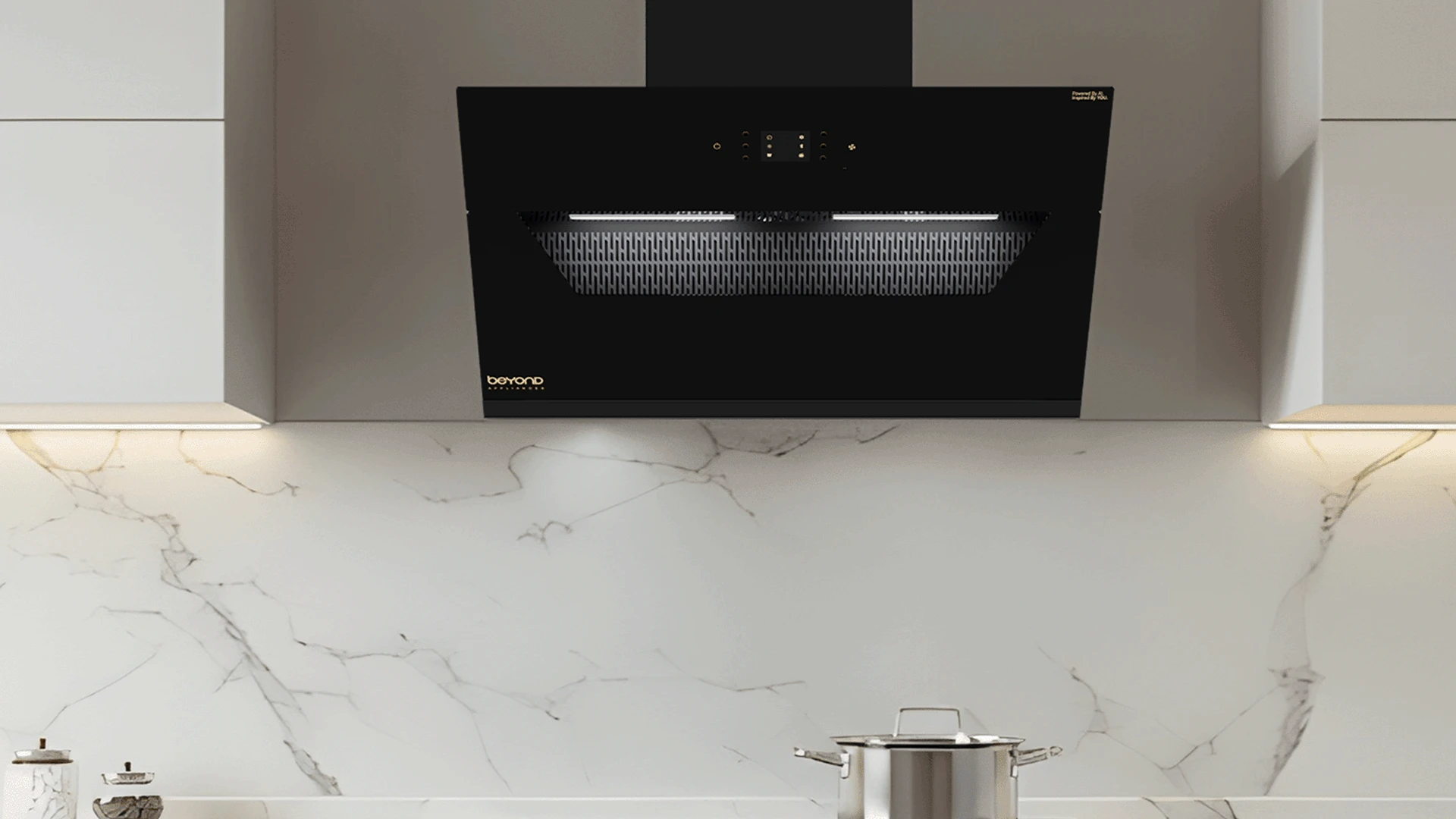
Your kitchen's air quality directly impacts your family's health, yet most homeowners overlook the critical role of chimney filter and duct cleaning importance. Studies reveal that kitchen air can be 2-5 times more polluted than outdoor air, making proper ventilation maintenance essential for a healthy kitchen environment. Dirty filters and clogged ducts don't just reduce efficiency—they create serious health risks, increase fire hazards, and compromise your family's wellbeing. This comprehensive guide explores why regular chimney cleaning benefits extend far beyond simple maintenance, covering everything from immediate health improvements to long-term cost savings.
The chimney filter and duct cleaning importance becomes clear when you understand the hidden dangers lurking in neglected ventilation systems. Your kitchen's exhaust system works as the lungs of your cooking space, filtering out harmful particles, grease, and toxic fumes generated during cooking.
Dirty chimney filters become breeding grounds for bacteria and mold, while accumulated grease creates fire hazards that put your entire home at risk. When filters clog, toxic cooking fumes recirculate through your kitchen, exposing your family to harmful particles that can trigger respiratory issues and allergies. The indoor air quality kitchen deteriorates rapidly when ventilation systems fail to function properly.
Poor kitchen exhaust cleaning practices lead to persistent cooking odors, cross-contamination of food flavors, and increased energy costs from overworked ventilation systems. Your family breathes these contaminants daily, potentially developing long-term health issues that could be easily prevented with proper maintenance.
Understanding chimney cleaning benefits helps homeowners appreciate why regular maintenance is an investment in health and home value. Clean filters and ducts transform your cooking experience while protecting your family's wellbeing.
Proper range hood filter cleaning immediately improves air circulation, reducing cooking smoke and steam buildup that can irritate eyes and respiratory systems. Clean filters eliminate lingering food odors that can make your kitchen unpleasant and affect the taste of future meals.
Regular maintenance prevents mold and mildew growth in your ventilation system, extends appliance lifespan, and creates a safer cooking environment. A well-maintained chimney system also improves food safety by preventing grease particles from settling on cooking surfaces.
Clean ventilation systems operate more efficiently, reducing energy bills and preventing costly repairs. Proper maintenance also increases your home's value and ensures compliance with insurance requirements for fire safety.
The duct cleaning importance extends beyond your kitchen, affecting your entire home's air quality and HVAC system efficiency. Understanding how your kitchen's ventilation connects to your home's overall air circulation helps prioritize proper maintenance.
Your kitchen's exhaust system works like lungs, drawing contaminated air out and allowing fresh air to circulate. When ducts become clogged with grease and debris, this natural breathing process breaks down, affecting air quality throughout your home.
Proper airflow requires balanced pressure throughout your ventilation system. Grease buildup disrupts this balance, forcing your HVAC system to work harder and reducing overall efficiency. Regular ventilation cleaning maintains optimal airflow dynamics.
Range hood filter cleaning serves as your primary defense against kitchen air pollution. Different filter types require specific maintenance approaches to ensure maximum effectiveness and longevity.
Mesh filters need weekly cleaning with warm, soapy water to remove grease buildup. Baffle filters require monthly deep cleaning using degreasing solutions. Charcoal filters cannot be cleaned and need replacement every 3-6 months depending on cooking frequency.
Homeowners can safely clean accessible filters using proper techniques and non-toxic cleaning products. However, professional services are necessary for deep duct cleaning and hard-to-reach areas that require specialized equipment.
Building a healthy kitchen environment requires consistent maintenance habits and proper use of your ventilation system. These practices ensure optimal air quality and system performance year-round.
Run your exhaust fan during cooking and for 15 minutes afterward to clear all cooking fumes. Wipe down visible grease from hood surfaces daily to prevent buildup. Check that vents remain unobstructed for proper airflow.
Inspect filters weekly for grease accumulation and clean as needed. Monthly maintenance should include checking grease traps and testing suction power. These chimney maintenance tips prevent major issues and extend system life.
Schedule comprehensive inspections twice yearly, ideally before heavy cooking seasons. Professional cleaning services can access ductwork and perform thorough maintenance that ensures optimal performance.
Recognizing when to contact duct cleaning services prevents minor issues from becoming major problems. Professional intervention becomes necessary when DIY maintenance proves insufficient.
Persistent cooking odors despite regular cleaning indicate deep ductwork contamination. Visible grease in hard-to-reach areas, reduced suction power, or strange noises signal the need for professional attention.
Professional services provide comprehensive inspection, advanced cleaning equipment, and safety certifications. They can access areas homeowners cannot reach safely and use specialized tools for thorough cleaning.
Select certified professionals with proper insurance and positive customer reviews. Ask about their cleaning process, equipment used, and service guarantees. Avoid services that seem too cheap, as quality cleaning requires proper equipment and expertise.
Clean mesh filters weekly and baffle filters monthly. Replace charcoal filters every 3-6 months. Heavy cooking may require more frequent cleaning to maintain optimal performance.
Schedule professional cleaning in spring or fall when cooking activity is moderate. This timing ensures your system is ready for heavy holiday cooking or summer entertaining.
Homeowners can clean accessible filters and surfaces, but ductwork requires professional equipment and expertise. Attempting DIY duct cleaning can damage your system or create safety hazards.
Use food-safe, non-toxic cleaners specifically designed for kitchen use. Always rinse thoroughly and allow surfaces to dry completely before cooking. Professional services use approved cleaning agents.
Signs include persistent cooking odors, visible grease on surfaces away from the stove, family members experiencing respiratory irritation, or reduced exhaust fan effectiveness.
Grease-laden filters can ignite from cooking heat, spreading fire through ductwork. Regular cleaning eliminates this fire hazard and ensures your kitchen meets safety standards.
Professional duct cleaning typically costs between INR 3,000-8,000 depending on system complexity and cleaning scope. This investment prevents costly repairs and health issues.
Routine maintenance is typically not covered, but some policies may cover cleaning after fire damage. Check your policy details and maintain documentation of regular cleaning for claims.
Maintaining clean chimney filters and ducts is essential for your family's health and home safety. The chimney filter and duct cleaning importance cannot be overstated—it directly impacts air quality, fire safety, and system efficiency. Start with daily habits like running exhaust fans during cooking, progress to weekly filter cleaning, and schedule professional services annually. Remember that investing in proper kitchen hygiene and maintenance saves money long-term while protecting your family's health. Take action today by inspecting your filters and creating a maintenance schedule that ensures your kitchen remains a safe, healthy space for cooking and gathering.
