

Chimney Duct Bends: Impact on Suction Explained
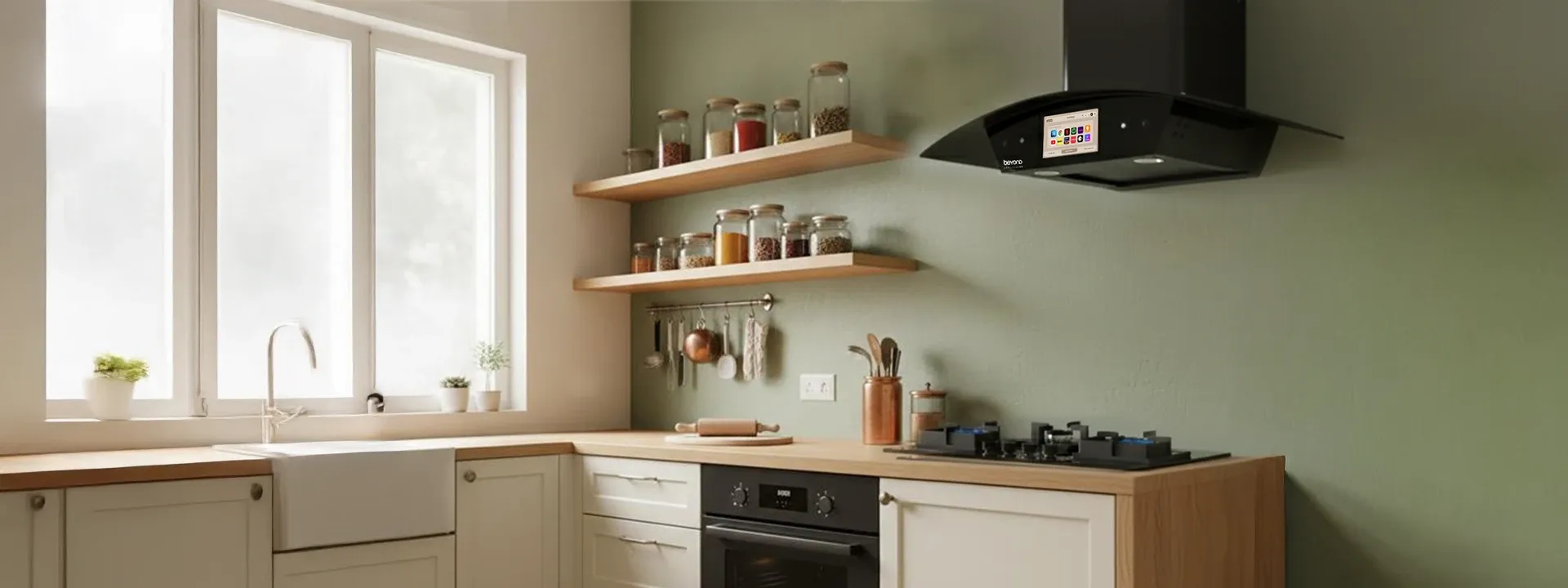
Kitchen ventilation systems play a crucial role in maintaining air quality and removing cooking odors, smoke, and grease from your home. One common concern among homeowners is whether bends in chimney ducts reduce suction power and affect overall performance. Understanding how ductwork design impacts airflow helps you make informed decisions about your kitchen exhaust system. The relationship between duct configuration and suction efficiency directly affects how well your chimney removes unwanted air from your cooking space.
Chimney suction power refers to the ability of your ventilation system to draw air through the ductwork and expel it outside your home. This process relies on creating negative pressure that pulls contaminated air away from cooking surfaces. The science behind chimney draft creation involves several factors working together to maintain consistent airflow. Ventilation system efficiency depends on proper duct sizing, smooth airflow paths, and adequate motor power. When air moves through straight ductwork, it encounters minimal resistance and maintains optimal velocity. Chimney suction power operates most effectively when the path from intake to exhaust remains as direct as possible. Key factors affecting performance include duct diameter, material smoothness, total length, and the number of directional changes. Modern kitchen exhaust systems are designed to handle typical residential cooking loads, but their effectiveness can be compromised by poor ductwork design. Understanding these fundamentals helps homeowners recognize when their system may not be performing optimally.
The physics of airflow through curved ductwork reveals why bends reduce overall system efficiency. When air travels through a straight duct, it maintains laminar flow with minimal turbulence. However, introducing bends creates turbulence and increases friction, which directly impacts chimney draft performance. Pressure loss calculations show that each bend in the ductwork creates resistance that the exhaust fan must overcome. This resistance, measured in static pressure, reduces the volume of air the system can move. The relationship between bend angle and suction reduction follows predictable patterns that engineers use to design efficient systems.
Sharp 90-degree bends create the most significant disruption to ductwork airflow. These sudden directional changes force air to change course abruptly, creating turbulence and pressure loss. Each 90-degree bend typically reduces suction efficiency by 15 to 25 percent.
Gentler 45-degree bends cause less disruption but still impact performance. These angled turns reduce airflow by approximately 8 to 12 percent per bend. While better than sharp turns, multiple 45-degree bends can accumulate significant efficiency losses.
Smooth, gradual curves minimize turbulence compared to sharp angular bends. Long-radius turns allow air to change direction more naturally, reducing pressure loss. Professional installations often use swept elbows instead of standard fittings to maintain better airflow characteristics.
Professional assessment of chimney design airflow involves measuring actual performance against theoretical capacity. Technicians use specialized equipment to measure cubic feet per minute (CFM) at various points in the system. These measurements reveal how much capacity is lost due to ductwork configuration. Static pressure measurements help quantify the resistance created by bends and other restrictions. Higher static pressure readings indicate greater resistance, which translates to reduced airflow volume. Real-world performance data shows that systems with multiple bends often operate at 60 to 70 percent of their rated capacity. Case studies from residential installations demonstrate the cumulative effect of poor ductwork design. Homes with three or more bends in their exhaust ductwork frequently experience inadequate ventilation, leading to lingering odors and moisture problems. Professional testing provides objective data to identify performance issues.
While eliminating all bends may not be possible due to structural constraints, several strategies can minimize their impact on ventilation system efficiency. Strategic planning during installation helps reduce the number and severity of directional changes required. Using larger diameter ducts compensates for some efficiency losses caused by bends. Increasing duct size by one increment (from 6 inches to 8 inches, for example) can offset the airflow reduction from necessary bends. This approach maintains adequate air movement while accommodating structural requirements.
Choosing smooth-walled metal ducts over flexible or corrugated options reduces friction losses. Smooth surfaces allow air to flow more freely, partially compensating for bend-related turbulence. Professional-grade galvanized steel or aluminum ducts provide optimal airflow characteristics.
Experienced installers use specific techniques to minimize duct bend impact. These include using swept elbows, maintaining proper joint sealing, and ensuring adequate support to prevent duct compression. Proper installation practices can significantly improve overall system performance.
Homeowners with existing installations that suffer from bend-related efficiency losses have several options to improve chimney suction. Inline exhaust fans can boost airflow through restrictive ductwork, though they add complexity and maintenance requirements. Regular duct cleaning removes accumulated grease and debris that compound airflow restrictions. Clean ducts allow maximum airflow through existing bends, optimizing available performance. Professional cleaning services use specialized equipment to thoroughly clean the entire duct system. Upgrading to higher-capacity exhaust equipment can overcome some bend-related losses. Modern chimneys with more powerful motors can maintain adequate airflow despite less-than-ideal ductwork. However, this approach may increase energy consumption and noise levels.
Several common mistakes during installation can amplify the negative effects of duct bends on chimney suction power. Undersized ductwork creates excessive velocity and pressure loss, making bend-related restrictions even more problematic. Poor joint sealing allows air leaks that reduce system efficiency. When joints between duct sections are not properly sealed, the system loses suction power before air even reaches the bends. Professional installations use appropriate sealants and mechanical fasteners to eliminate leaks. Excessive bend angles and unnecessary curves often result from poor planning or attempts to avoid obstacles. Taking time to plan the most direct route possible, even if it requires minor structural modifications, typically provides better long-term performance than working around every obstacle.
Yes, bends in chimney ducts do reduce suction power. Each 90-degree bend typically reduces airflow efficiency by 15 to 25 percent, while 45-degree bends cause 8 to 12 percent reduction. Multiple bends create cumulative losses that can significantly impact overall performance.
Industry standards recommend limiting bends to two or three maximum in residential systems. Each additional bend compounds efficiency losses, so minimizing directional changes is crucial for maintaining adequate suction power.
Yes, increasing duct diameter by one size can help offset airflow reduction caused by necessary bends. Larger ducts reduce air velocity and friction losses, partially compensating for turbulence created by directional changes.
Gradual, long-radius curves cause significantly less suction loss than sharp 90-degree bends. Swept elbows and gentle directional changes maintain smoother airflow patterns, reducing turbulence and pressure loss.
Professional airflow testing measures CFM rates and static pressure to quantify bend impact. You can also observe cooking smoke behavior and check for lingering odors, which often indicate reduced suction efficiency.
Understanding how bends affect chimney duct suction helps homeowners make informed decisions about their ventilation systems. While some bends are unavoidable due to structural constraints, minimizing their number and using gentle curves instead of sharp angles preserves more suction power. Professional installation techniques, proper duct sizing, and regular maintenance can help optimize performance even with necessary bends. When planning new installations or upgrading existing systems, prioritizing the most direct ductwork path possible ensures optimal kitchen exhaust performance for years to come.
