

Baffle vs Mesh Chimney Filters: Ultimate Showdown
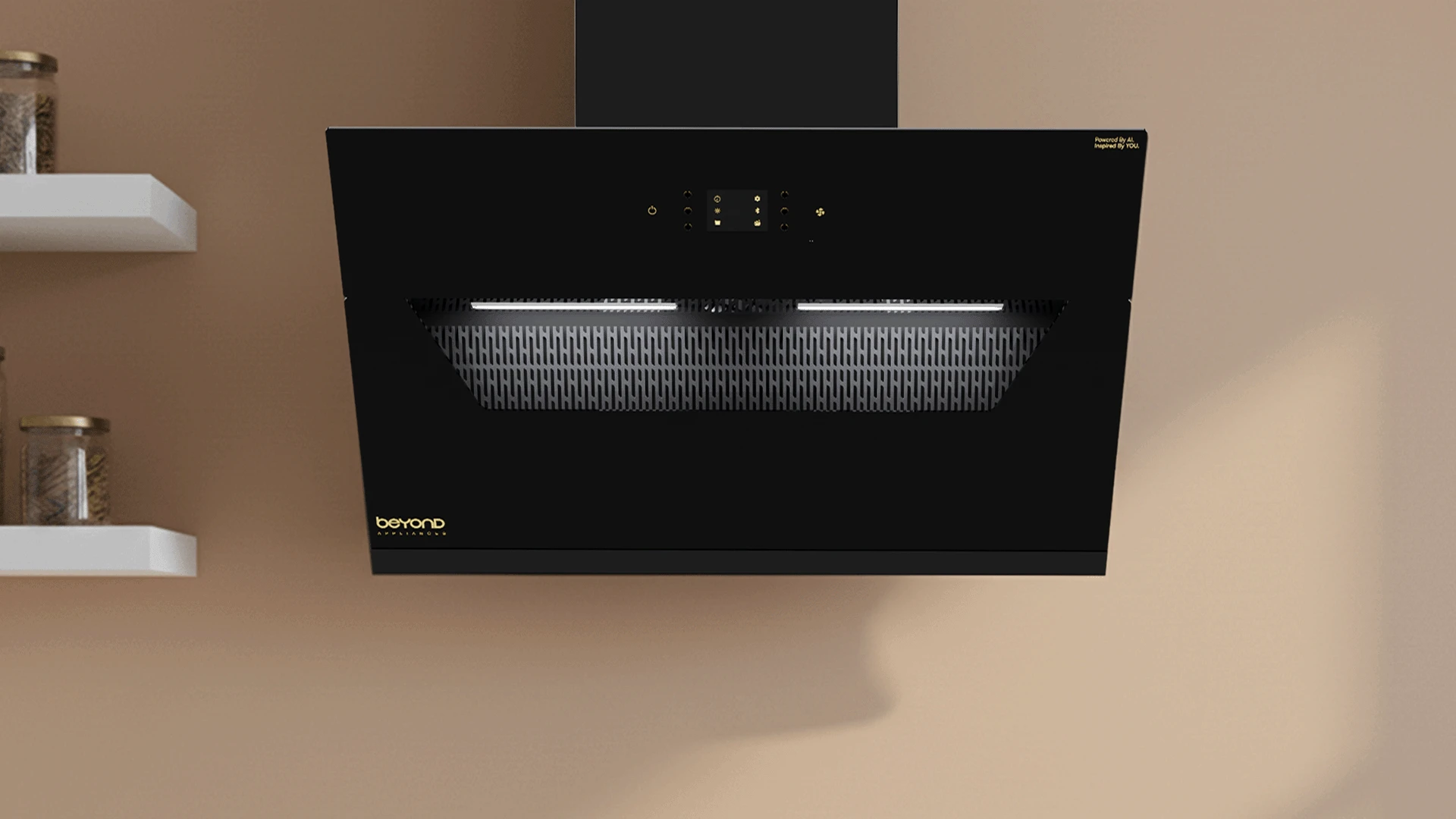
Choosing the right kitchen chimney filter can make or break your cooking experience. With smoke, grease, and strong aromas filling Indian kitchens daily, the filter type you select directly impacts air quality, maintenance effort, and long-term costs. Two main contenders dominate the market: baffle filters and mesh filters. Each offers distinct advantages, but understanding their differences helps you make an informed decision that suits your cooking style, budget, and kitchen setup.
Kitchen chimney filters serve as the first line of defense against grease, smoke, and cooking odors. The filter type determines how effectively your chimney captures pollutants and how much maintenance you'll need to perform. Modern chimneys typically feature either baffle filters or mesh filters, each designed with specific advantages for different cooking environments.
Baffle filter chimneys use curved aluminum panels arranged in a zigzag pattern to create turbulence in the airflow. This design forces grease particles to change direction multiple times, causing them to lose momentum and stick to the filter surfaces. The aluminum construction resists corrosion and handles high temperatures without warping. The curved design creates multiple collision points where grease droplets separate from the air stream. This technology proves particularly effective for heavy cooking styles common in Indian kitchens, where oil usage is typically higher.
Mesh filter chimneys feature multiple layers of fine metal mesh, usually made from stainless steel or aluminum. The layered structure creates a dense network that physically traps grease particles and smoke as air passes through. Different mesh densities can be combined to optimize filtration efficiency. The multi-layered approach ensures that even small particles get caught in the successive mesh layers. However, this design can become clogged more quickly than baffle systems, especially with heavy cooking.
Traditional kitchen ventilation relied on simple exhaust fans with basic filters. Modern chimney technology has evolved to address specific challenges like grease accumulation, noise reduction, and maintenance convenience. Industry standards now emphasize both filtration efficiency and user-friendly maintenance procedures.
When comparing baffle filter vs mesh filter chimney performance, several key factors determine which option works better for your kitchen. Understanding these differences helps you choose based on your specific cooking habits and maintenance preferences.
Baffle filters typically maintain consistent suction power over time because their design prevents complete blockage. The curved panels allow air to flow even when grease accumulates, maintaining efficiency between cleanings. Most baffle filter chimneys operate effectively at 1000-1200 CFM (Cubic Feet per Minute). Mesh filters can achieve high initial efficiency but may experience reduced suction as grease clogs the mesh layers. The dense mesh structure can restrict airflow when dirty, requiring more frequent cleaning to maintain performance.
Baffle filters excel in durability due to their robust aluminum construction and simple design. The absence of fine mesh means fewer components can break or wear out. Most baffle filters last 10-15 years with proper maintenance. Mesh filters may require replacement every 2-3 years, depending on cooking frequency and maintenance quality. The fine mesh can develop tears or become permanently clogged with heavy use.
While baffle filter chimneys often cost INR 2,000-5,000 more initially, they prove more economical long-term due to lower maintenance costs and longer lifespan. Mesh filter chimneys require regular filter replacements, adding INR 500-1,500 annually to operating costs.
Proper chimney maintenance ensures optimal performance and extends filter life. The maintenance requirements differ significantly between baffle and mesh filter systems, affecting your long-term experience and costs.
Baffle filters offer dishwasher-safe cleaning convenience. Simply remove the panels and place them in your dishwasher's bottom rack with regular detergent. For heavily soiled filters, pre-soaking in warm soapy water helps remove stubborn grease buildup. Monthly cleaning schedules work well for moderate cooking, while heavy cooking households may need bi-weekly cleaning. The smooth aluminum surfaces make manual cleaning straightforward when dishwasher cleaning isn't available.
Mesh filters require more careful manual cleaning due to their delicate structure. Soaking in degreasing solution followed by gentle scrubbing with a soft brush prevents mesh damage. Harsh scrubbing can tear the mesh, reducing filtration efficiency. Replacement becomes necessary when mesh layers become permanently discolored or develop holes. Signs include reduced suction power and visible grease accumulation that won't clean off.
Auto clean chimney systems use heat-based cleaning mechanisms to reduce manual maintenance. These systems work with both filter types but show particular benefits with baffle filters due to their heat-resistant aluminum construction.
Modern kitchen ventilation extends beyond basic filtration to include smart features and innovative designs. Understanding these technologies helps you choose a system that grows with your needs.
Filterless chimneys use centrifugal force and oil collectors to separate grease without traditional filters. These systems require less frequent cleaning and maintain consistent suction power. However, they work best in kitchens with moderate cooking loads.
Sensor-based auto-activation detects cooking activity and adjusts suction power automatically. LED lighting integration provides task lighting while cooking. Remote control capabilities allow convenient operation from anywhere in the kitchen.
Selecting between baffle and mesh filters requires evaluating your specific kitchen needs, cooking habits, and maintenance preferences. A systematic approach ensures you choose the most suitable option.
Consider your cooking frequency, typical oil usage, and available maintenance time. Heavy cooking households benefit from baffle filters' durability and easier cleaning. Light cooking situations may find mesh filters adequate and more affordable initially. Budget considerations should include both initial costs and long-term maintenance expenses. Factor in filter replacement costs, cleaning supplies, and potential professional servicing needs.
For heavy Indian cooking with frequent frying and spice use, baffle filter chimneys provide superior performance and convenience. Modern minimalist kitchens with occasional cooking can work well with quality mesh filter systems. Commercial applications almost always benefit from baffle filter durability and maintenance efficiency.
Baffle filters handle heavy Indian cooking better due to their superior grease separation and easier cleaning. The curved design effectively manages high oil content and strong spices without clogging.
Baffle filters need monthly cleaning for moderate use, bi-weekly for heavy cooking. Mesh filters require cleaning every 2-3 weeks and replacement every 2-3 years depending on usage.
While baffle filter chimneys cost more initially, they're cheaper to maintain long-term due to dishwasher-safe cleaning and longer lifespan. Mesh filters require regular replacements that add ongoing costs.
Most mesh filters aren't dishwasher-safe due to their delicate structure. Hand washing with degreasing solution and gentle scrubbing works best to prevent damage.
Baffle filters typically last 10-15 years with proper maintenance. Mesh filters need replacement every 2-3 years, making baffle filters more cost-effective over time.
The choice between baffle filter vs mesh filter chimney depends on your cooking style, maintenance preferences, and budget considerations. Baffle filters excel in durability, easy maintenance, and long-term cost-effectiveness, making them ideal for heavy cooking households. Mesh filters offer lower initial costs but require more frequent maintenance and replacement. Consider your specific needs, cooking frequency, and long-term costs when making this important kitchen investment decision.
