

7 Top Kitchen Ventilation Systems for Clean Air
A clean kitchen isn't just about spotless counters and organized cabinets. The air you breathe while cooking plays a crucial role in your family's health and comfort. Poor kitchen ventilation can lead to lingering odors, grease buildup, and harmful pollutants that affect indoor air quality. With the right best kitchen ventilation system, you can transform your cooking space into a healthier, more pleasant environment. From powerful range hoods to innovative downdraft systems, modern ventilation solutions offer effective ways to keep your kitchen air fresh and clean.
A kitchen ventilation system removes smoke, steam, grease, and odors from your cooking area. These systems work by capturing airborne particles at their source and either exhausting them outside or filtering them before recirculating clean air back into the room. The main types include traditional range hood systems that mount above your cooktop, downdraft ventilation that pulls air downward through vents, and various kitchen extractor fan options. Each type serves different kitchen layouts and cooking needs. For Indian cooking, which often involves high heat and aromatic spices, proper ventilation becomes even more critical for maintaining good indoor air quality kitchen environments.
Effective cooktop ventilation removes harmful pollutants like carbon monoxide, nitrogen dioxide, and fine particles that cooking produces. These systems also prevent moisture buildup that can lead to mold growth and structural damage.
Choosing the right ventilation solution depends on your kitchen layout, cooking habits, and budget. Here are seven proven options that deliver excellent performance for different needs.
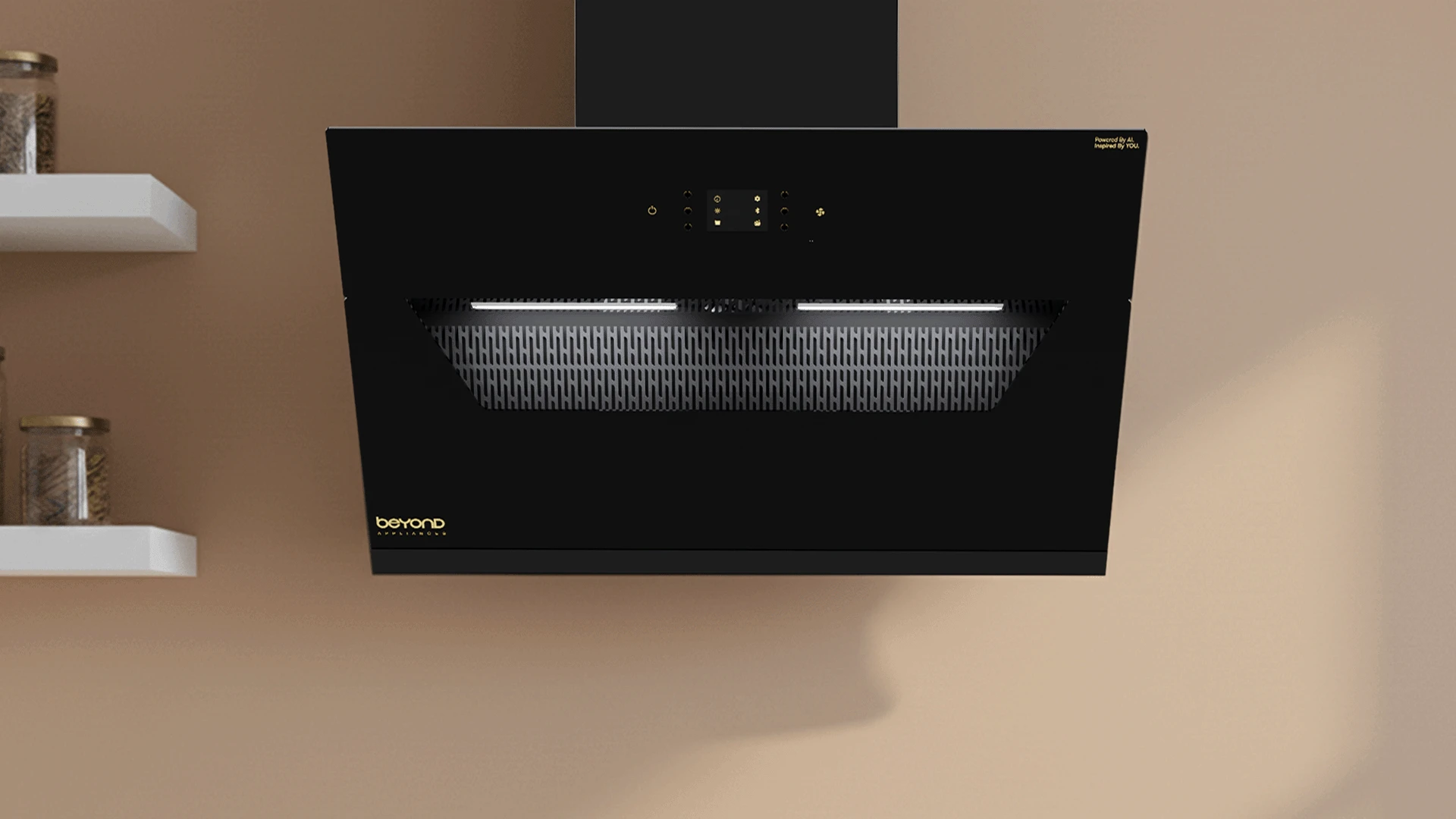
Wall-mount hoods offer powerful extraction with CFM ratings typically ranging from 150 to 600. These systems mount directly to the wall above your cooktop and provide excellent capture efficiency. The Android Chimney Asteria exemplifies modern wall-mount technology with its 1408 CMH suction power, specifically designed for Indian cooking needs. Its filterless design eliminates maintenance hassles while the infotainment screen and dual speakers add entertainment value to your cooking experience.
Perfect for open kitchen designs, island hoods suspend from the ceiling and provide 360-degree ventilation coverage. These systems typically require higher CFM ratings due to cross-currents in open spaces. They work exceptionally well in modern kitchen layouts where the cooktop sits on a central island.
Space-saving under-cabinet models fit seamlessly beneath existing cabinetry. While more compact, quality units still provide effective ventilation for standard cooking needs. These work well in smaller kitchens where space is at a premium.
Downdraft systems pull air downward through vents built into or beside the cooktop. These sleek systems work well with island installations where overhead hoods aren't practical. The pop-up mechanism keeps the system hidden when not in use.
Ceiling fans provide whole-room air circulation and work well in kitchens without space for traditional range hoods. While not as targeted as range hoods, they help improve overall air movement and can complement other ventilation methods.
Budget-friendly window fans assist natural airflow and work well as supplementary ventilation. These simple systems help remove cooking odors and steam, though they're less effective than dedicated range hoods for heavy cooking.
Ductless systems filter air through charcoal and grease filters before recirculating it back into the kitchen. These work well in apartments or situations where external ducting isn't possible, though they're less effective than ducted systems for removing heat and moisture.
When selecting your kitchen ventilation options, several factors determine performance and satisfaction. CFM (Cubic Feet per Minute) rating indicates how much air the system moves. For Indian cooking with heavy spices and oils, aim for 100-200 CFM per linear foot of cooktop width. Noise levels matter significantly since you'll use the system frequently. Look for systems with sound ratings below 3 sones for comfortable operation. Filter types affect both performance and maintenance. Baffle filters work well for heavy cooking, while mesh filters suit lighter use.
Modern systems offer variable speed controls and automatic features that optimize energy use. The Android Chimney Asteria includes auto turn-off functionality and dry heat auto-clean technology that reduces maintenance needs while saving energy.
Proper installation ensures optimal performance from your best range hood or ventilation system. Professional installation guarantees correct ductwork sizing and proper electrical connections. Ducted systems typically outperform ductless options but require external venting. Regular maintenance keeps systems running efficiently. Clean grease filters monthly or as needed, and replace charcoal filters in ductless systems every 3-6 months. The filterless design of systems like the Android Chimney Asteria eliminates filter maintenance while the dry heat auto-clean feature handles internal cleaning automatically.
Poor performance often results from inadequate CFM ratings, blocked ducts, or dirty filters. Unusual noises may indicate loose components or motor issues requiring professional attention.
Combine a properly sized range hood with natural ventilation through windows when possible. The range hood should provide the primary extraction while windows help with overall air circulation.
High-CFM range hoods with baffle filters or filterless designs handle the heavy oils and spices in Indian cuisine most effectively. Systems like the Android Chimney Asteria with 1408 CMH suction specifically address these needs.
Calculate 100 CFM per linear foot of cooktop for standard cooking, or 150-200 CFM per foot for heavy cooking styles. A 30-inch cooktop typically needs 250-400 CFM.
Range hoods provide superior performance by capturing pollutants at the source, while exhaust fans offer general air circulation. Range hoods are more effective for cooking-related ventilation.
Clean grease filters monthly, wipe down surfaces weekly, and schedule professional duct cleaning annually. Filterless systems require less frequent maintenance.
Investing in the right kitchen ventilation system protects your family's health while making cooking more enjoyable. Whether you choose a traditional range hood, innovative downdraft system, or modern smart chimney, proper ventilation removes harmful pollutants and keeps your kitchen air fresh. Consider your cooking style, kitchen layout, and maintenance preferences when making your selection. With options ranging from budget-friendly exhaust fans to feature-rich smart chimneys, there's a ventilation solution for every kitchen and budget.
