

7 Top Kitchen Ventilation Solutions for Clean Air
Cooking creates more than just delicious meals—it also produces fumes, smoke, and odors that can affect your health and home. Poor kitchen ventilation leads to grease buildup on surfaces, lingering cooking smells, and even respiratory issues for your family. The best solution kitchen fumes requires a comprehensive approach that combines effective equipment with smart strategies. Whether you're dealing with daily cooking odors or occasional smoke from high-heat cooking, the right kitchen ventilation system makes all the difference. Let's explore seven proven solutions that will transform your kitchen into a clean, fresh space.
Poor kitchen air quality affects more than just comfort—it impacts your family's health and your home's condition. When you cook, especially with high-heat methods, you release particles and gases into the air that can cause problems over time. Indoor air pollution cooking creates several health risks. Cooking fumes contain fine particles that can irritate your lungs and trigger asthma symptoms. Gas stoves release nitrogen dioxide, which can worsen respiratory conditions. Oil vapors and smoke particles settle on surfaces throughout your home, creating sticky residues that attract dust and bacteria. Your home structure suffers too. Grease particles coat walls, cabinets, and ceilings, causing discoloration and damage. Moisture from cooking can lead to mold growth in poorly ventilated spaces. Without proper fume extraction, these problems compound over years, affecting both your health and your home's value.
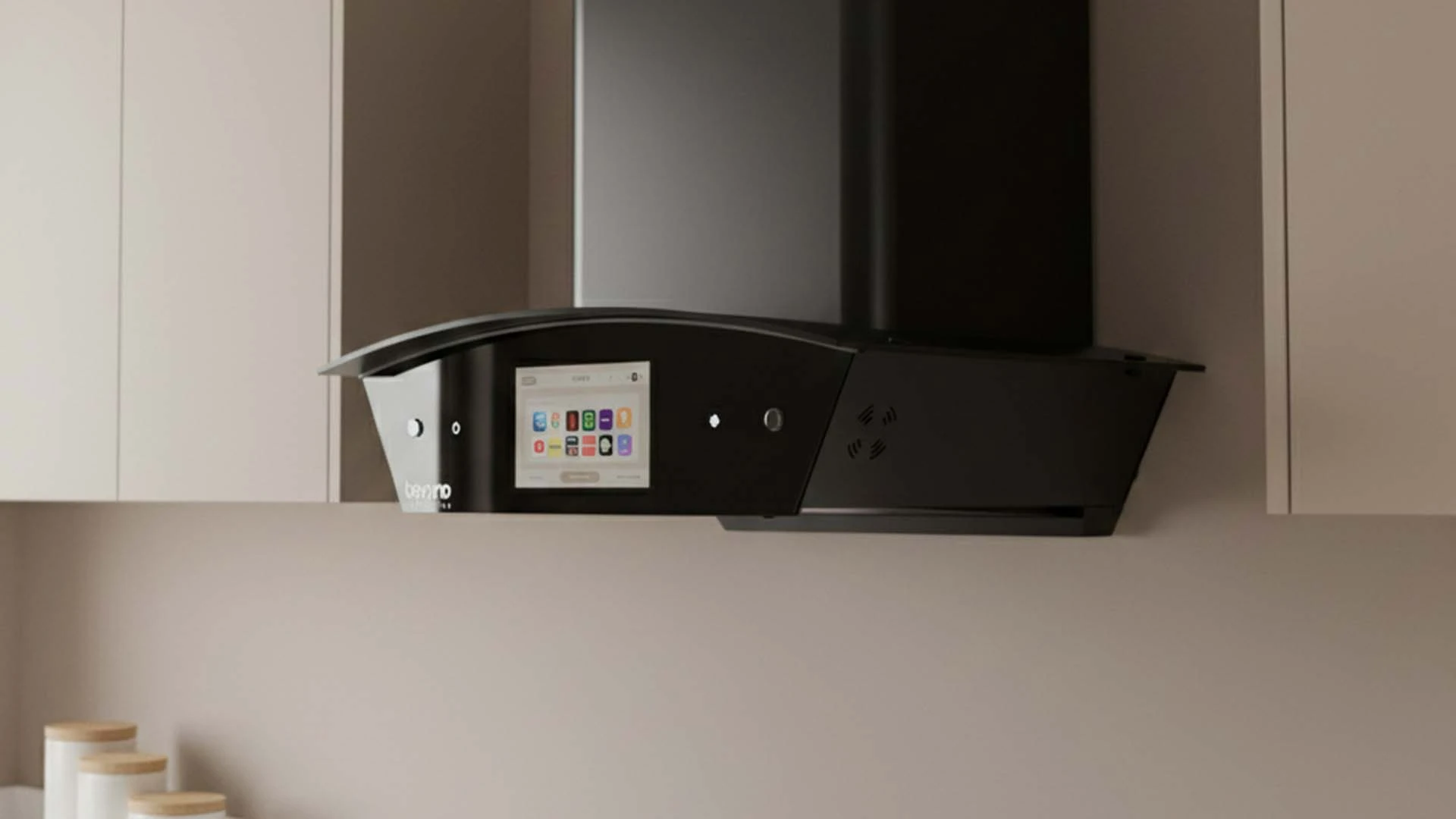
A quality range hood stands as the most effective defense against kitchen fumes. These systems capture smoke, grease, and odors right at the source, preventing them from spreading throughout your home.
Ducted systems vent contaminated air directly outside your home. They offer superior performance for heavy cooking, with CFM ratings ranging from 200 to 1200. Choose a model with at least 100 CFM per linear foot of cooktop width for optimal results.
Ductless models filter air through charcoal and grease filters before recirculating it back into your kitchen. While less powerful than ducted systems, they work well for light to moderate cooking and apartments where ductwork isn't possible.
An air purifier kitchen setup provides additional protection beyond your primary ventilation system. These devices continuously clean your kitchen air, capturing particles that escape your range hood.
HEPA filters remove 99.97% of particles larger than 0.3 microns. Place your air purifier away from your cooking area to avoid overwhelming the filters with grease particles. Run it continuously during cooking and for 30 minutes afterward.
Activated carbon filters excel at removing cooking odors and gaseous pollutants. Many modern air purifiers combine HEPA and carbon filtration for comprehensive air cleaning. Replace carbon filters every 3-6 months for best performance.
Natural kitchen ventilation costs nothing to operate and provides fresh air circulation. Smart window placement and operation can significantly improve your kitchen's air quality. Open windows on opposite sides of your kitchen to create cross-ventilation. This technique pulls fresh air in while pushing contaminated air out. Position one window near your cooking area and another across the room for maximum airflow. Combine natural ventilation with mechanical systems for enhanced effectiveness. Run your kitchen exhaust fan while keeping windows slightly open to prevent negative pressure that reduces fan efficiency.
Portable extractors offer targeted fume extraction for specific cooking tasks. These compact devices work especially well in small kitchens or as supplementary ventilation. Countertop smoke absorbers sit near your cooking surface and capture fumes before they spread. They're perfect for rental properties where permanent installation isn't allowed. Battery-powered models provide flexibility for outdoor cooking or areas without electrical outlets. While less powerful than permanent installations, portable units effectively handle light cooking tasks and provide backup ventilation when your main system needs maintenance.
Integrating your kitchen with your home's overall ventilation system creates comprehensive air quality management. Heat Recovery Ventilators (HRV) and Energy Recovery Ventilators (ERV) systems can include kitchen zones for continuous fresh air exchange. Smart home controls allow you to coordinate kitchen ventilation with your HVAC system. When cooking begins, automated systems can increase fresh air intake and adjust circulation patterns to prevent indoor air pollution cooking from spreading to other rooms. This approach provides energy-efficient ventilation while maintaining comfortable temperatures throughout your home.
Natural methods complement mechanical ventilation to remove cooking fumes and odors effectively. These techniques cost little and use common household items. Baking soda absorbs odors naturally. Place open containers around your kitchen during and after cooking. Replace the baking soda weekly for continued effectiveness. Activated charcoal works similarly but lasts longer—replace every month. Vinegar neutralizes alkaline odors from cooking. Simmer a bowl of white vinegar on your stove for 15 minutes after cooking to eliminate lingering smells. Lemon peels in your garbage disposal freshen the air while cleaning the disposal.
When cooking goes wrong and smoke fills your kitchen, quick action prevents lasting odor problems. These emergency techniques help you remove cooking fumes rapidly. Immediately turn on all available fans and open windows. Create airflow by positioning a box fan in a window to pull smoke outside. Turn off heat sources and remove burnt food to stop additional smoke production. Clean surfaces quickly while smoke particles are still airborne. Wipe down walls, cabinets, and counters with a vinegar solution to prevent odors from setting. Run air purifiers on high speed for several hours after clearing visible smoke.
Selecting the best solution kitchen fumes depends on your specific cooking habits, kitchen layout, and budget. Consider these key factors when making your decision.
Larger kitchens need more powerful ventilation systems. Calculate 100 CFM per linear foot of cooktop for adequate coverage. High-heat cooking methods like stir-frying or grilling require stronger extraction than gentle simmering or baking.
Ducted systems provide superior performance but require professional installation and ductwork. Ductless options cost less to install but need regular filter replacement. Factor in long-term maintenance costs when comparing options.
The most effective approach combines a properly sized range hood with good natural ventilation. Use your range hood during cooking and keep it running for 15 minutes after finishing. Open windows when weather permits to supplement mechanical ventilation.
Calculate 100 CFM per linear foot of cooktop width as a starting point. Add 100 CFM for each additional foot of ceiling height above 8 feet. Heavy cooking or gas cooktops may require 150 CFM per linear foot.
Air purifiers supplement but cannot replace range hoods. Range hoods capture contaminants at the source, while air purifiers clean air after it has already spread. Use both for optimal results.
Clean range hood filters monthly with heavy use, every three months with moderate use. Replace charcoal filters in ductless systems every 3-6 months. Professional ductwork cleaning every 2-3 years maintains optimal performance.
Effective kitchen ventilation requires the right combination of solutions for your specific needs. Start with a quality range hood as your primary defense, then add supplementary methods like air purifiers or natural ventilation as needed. Regular maintenance keeps all systems working efficiently, ensuring your kitchen remains a healthy, comfortable space for cooking and gathering. Remember that the best solution kitchen fumes often involves multiple approaches working together rather than relying on a single method.
