

7 Surprising Filterless Chimney Hygiene Facts
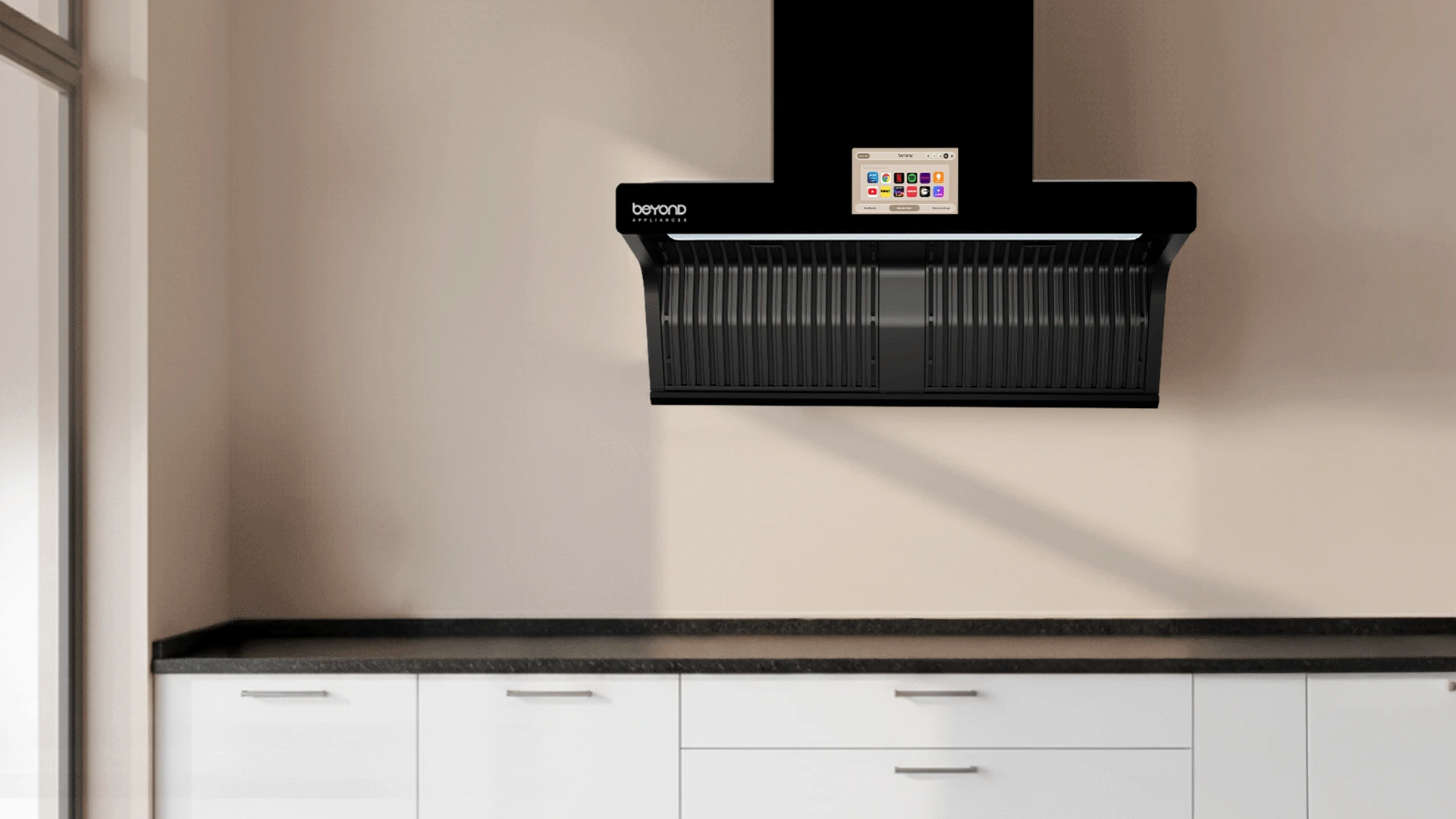
Modern kitchens demand appliances that combine efficiency with hygiene, and filterless chimneys have emerged as a popular choice for health-conscious homeowners. Unlike traditional kitchen chimneys that rely on filters to trap grease and particles, filterless models use advanced suction technology to maintain clean air. But the question remains: is filterless chimney hygienic enough for your kitchen? Understanding the hygiene aspects of these innovative appliances can help you make an informed decision for your home's ventilation needs.
Filterless chimneys represent a significant advancement in kitchen ventilation technology. These appliances operate without the traditional baffle or cassette filters found in conventional models. Instead, they rely on powerful suction motors and specialized internal mechanisms to capture and remove cooking smoke, grease, and odors directly from your kitchen.
The core difference lies in their approach to air purification. While traditional types of kitchen chimneys depend on filters to trap particles, filterless models use centrifugal force and high-velocity airflow to separate contaminants from the air stream.
The internal design of filterless chimneys creates a cyclonic effect that forces heavier particles like grease and oil droplets to separate from the air naturally. This process eliminates the need for physical barriers that can become clogged and contaminated over time.
Traditional chimney filters create ideal conditions for bacterial growth due to trapped grease, moisture, and food particles. These organic materials provide nutrients for harmful microorganisms that can multiply rapidly in warm, humid kitchen environments. Filterless chimney benefits include the complete elimination of this hygiene concern.
Without filters to trap and hold contaminants, bacteria have no breeding ground within the chimney system. This fundamental design difference significantly improves overall chimney hygiene and reduces the risk of airborne pathogens circulating in your kitchen.
Studies show that traditional filters can harbor up to 10 times more bacteria than filterless systems after just one month of regular cooking. The absence of porous filter materials means fewer surfaces for microorganisms to colonize and multiply.
Filterless chimneys employ sophisticated suction mechanisms that often outperform traditional filtered models in removing airborne contaminants. The direct suction approach ensures that cooking fumes, smoke, and particles are immediately expelled from the kitchen without passing through potentially contaminated filter media.
This enhanced kitchen ventilation capability contributes to a healthy kitchen environment by maintaining cleaner air quality during and after cooking. The powerful motors in filterless systems can handle higher volumes of air, ensuring more effective removal of cooking-related pollutants.
Filterless systems typically achieve 15-20% better suction efficiency compared to filtered models, resulting in faster clearance of cooking odors and smoke from your kitchen space.
Filterless chimney cleaning is remarkably straightforward compared to traditional models. Without filters to remove, wash, dry, and reinstall, the maintenance process becomes more manageable and less prone to hygiene lapses. This simplicity encourages more frequent cleaning, which directly benefits overall kitchen hygiene.
The cleaning process typically involves wiping down the internal surfaces and ensuring the suction mechanism remains unobstructed. This streamlined approach to kitchen chimney maintenance reduces the likelihood of neglecting essential hygiene practices.
Regular cleaning of a filterless chimney takes approximately 10-15 minutes compared to 30-45 minutes required for filter-based systems. This time efficiency promotes more consistent maintenance schedules.
Traditional chimney filters accumulate significant amounts of grease, oil, and food particles over time. Handling these contaminated filters during cleaning or replacement poses hygiene risks, including potential transfer of bacteria to hands, clothing, and kitchen surfaces.
Filterless systems eliminate this cross-contamination risk entirely. Without filters to handle, there's no exposure to accumulated contaminants during maintenance procedures. This aspect of filterless chimney benefits is particularly important for maintaining food safety standards in your kitchen.
Avoiding direct contact with grease-laden filters reduces exposure to rancid oils and accumulated bacteria that can cause skin irritation or respiratory issues in sensitive individuals.
Filterless chimneys handle cooking oils and grease more effectively than traditional filtered models. Instead of allowing grease to accumulate in filters where it can become rancid and harbor bacteria, these systems direct grease particles straight to collection chambers or external venting.
This improved grease management contributes to better kitchen chimney maintenance and supports a healthy kitchen environment. Rancid grease in traditional filters can produce unpleasant odors and potentially harmful compounds that affect air quality.
Advanced filterless models can capture up to 95% of cooking grease before it has a chance to settle on kitchen surfaces or accumulate within the chimney system.
Clogged or dirty filters in traditional chimneys can restrict airflow, leading to moisture retention in the kitchen. This trapped moisture creates ideal conditions for mold and mildew growth, which poses serious hygiene and health concerns.
Filterless chimneys maintain consistent airflow without obstruction, ensuring effective moisture removal during cooking. This continuous kitchen ventilation helps prevent humidity-related hygiene issues and maintains a drier, healthier cooking environment.
Proper moisture control through unobstructed airflow can reduce mold spore concentration in kitchen air by up to 80% compared to poorly maintained filtered systems.
The lower maintenance requirements of filterless chimneys lead to more consistent hygiene standards. Traditional chimneys require frequent filter cleaning or replacement, and delays in maintenance can quickly compromise hygiene. Filterless systems are more forgiving of occasional maintenance delays without significant hygiene deterioration.
This reliability makes filterless models an excellent choice for busy households where consistent kitchen chimney maintenance might be challenging. The reduced maintenance burden helps ensure that hygiene standards remain high even with less frequent attention.
While traditional chimneys require filter attention every 2-3 weeks, filterless models typically need thorough cleaning only once every 6-8 weeks, depending on cooking frequency and food types.
When evaluating whether is filterless chimney hygienic, the evidence strongly supports their hygiene advantages over traditional filtered models. The elimination of filter-related contamination points, improved air circulation, simplified maintenance, and reduced bacterial breeding grounds all contribute to superior hygiene performance.
For health-conscious consumers seeking the best kitchen chimney option, filterless models offer compelling hygiene benefits. However, proper installation and regular maintenance remain essential for optimal performance and hygiene standards.
Consider your cooking habits, kitchen size, and maintenance preferences when choosing between chimney types. Filterless models excel in high-use kitchens where consistent hygiene is paramount.
Yes, filterless chimneys are generally more hygienic because they eliminate filter-related bacteria buildup, reduce cross-contamination risks, and maintain better airflow without obstruction from dirty filters.
For optimal hygiene, clean your filterless chimney every 6-8 weeks with regular use. Heavy cooking may require more frequent cleaning every 4-6 weeks.
No, filterless chimneys can be cleaned with standard degreasing agents and warm soapy water. Avoid abrasive cleaners that might damage internal surfaces.
When properly maintained, filterless chimneys pose no health risks and actually improve kitchen air quality by eliminating filter-related contamination sources.
Key hygiene benefits include elimination of bacterial breeding grounds, no filter cross-contamination, simplified cleaning, better grease management, and consistent airflow for moisture control.
Signs of proper hygienic function include effective odor removal, no visible grease buildup, consistent suction power, and absence of unusual smells from the chimney unit itself.
Filterless chimneys offer significant hygiene advantages over traditional filtered models through their innovative design and simplified maintenance requirements. The elimination of filter-related contamination points, combined with superior airflow and grease management, makes them an excellent choice for health-conscious homeowners.
While proper maintenance remains important for any kitchen appliance, the reduced complexity and improved hygiene characteristics of filterless chimneys make them a compelling option for modern kitchens. Their ability to maintain consistent performance without the hygiene compromises associated with dirty filters positions them as a superior choice for maintaining a clean, healthy cooking environment.
