

7 Surprising Benefits of Healthy Kitchen Air
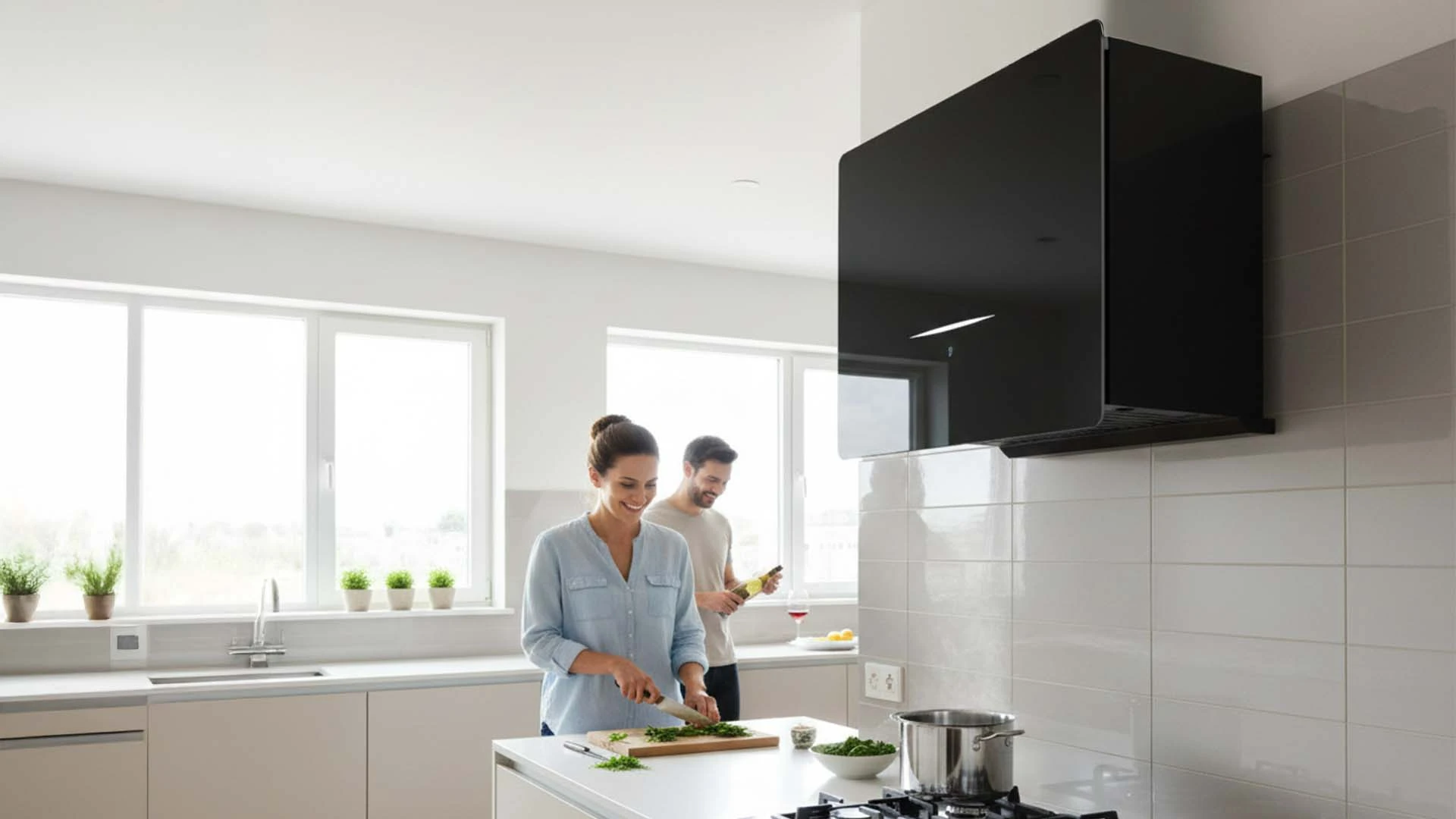
Your kitchen is more than just a place to prepare meals—it's the heart of your home where families gather and memories are made. Yet many homeowners overlook one crucial aspect that affects their daily cooking experience: air quality. The air you breathe while cooking directly impacts your health, energy levels, and overall well-being. Poor kitchen air quality can lead to respiratory issues, fatigue, and even long-term health problems. Understanding the benefits healthy kitchen air provides can transform not just your cooking experience, but your entire lifestyle. From enhanced respiratory health to improved cognitive function, clean kitchen air offers surprising advantages that extend far beyond what most people realize.
Most people assume outdoor air pollution poses the greatest threat to their health, but indoor air pollution kitchen environments can actually be two to five times more concentrated than outdoor air. Every time you cook, especially with high-heat methods like frying or grilling, you release particles, gases, and volatile organic compounds into your kitchen air. Cooking fumes contain nitrogen dioxide, carbon monoxide, and fine particulate matter that can accumulate quickly in poorly ventilated spaces. Gas stoves, in particular, release combustion byproducts that linger long after cooking ends. These pollutants don't just disappear—they circulate throughout your home, affecting air quality in adjacent rooms and potentially impacting your family's health for hours after meal preparation.
Clean kitchen air provides numerous advantages that extend well beyond basic comfort. These benefits affect multiple aspects of your health and daily life in ways you might never have considered.
Breathing clean air while cooking protects your lungs from harmful particles and gases released during food preparation. Cooking fumes health impacts are significant—exposure to cooking emissions can trigger asthma attacks, cause throat irritation, and worsen existing respiratory conditions. When you maintain good kitchen air quality, you reduce exposure to these irritants, leading to easier breathing and fewer allergy symptoms. Many families notice improved sleep quality when kitchen air pollution decreases, as cleaner air reduces nighttime respiratory distress.
Clean air directly affects brain function and mental performance. When your kitchen has proper ventilation and clean air circulation, your brain receives more oxygen, leading to sharper focus and better decision-making while cooking. Poor air quality can cause headaches, fatigue, and difficulty concentrating. A healthy cooking environment with good air quality helps you stay alert and creative in the kitchen, making meal preparation more enjoyable and efficient.
Clean kitchen air prevents odor transfer between different foods and reduces the risk of airborne contamination. When cooking fumes and particles circulate freely, they can settle on food surfaces and alter flavors. Good air circulation removes these contaminants, allowing you to taste food as intended. Additionally, clean air in kitchen spaces helps prevent bacterial growth that thrives in humid, polluted environments, contributing to better food safety practices.
Poor air quality forces your body to work harder to process oxygen, leading to fatigue and decreased energy. When you improve kitchen air quality, your body can function more efficiently, leaving you with more energy for daily activities. Clean air reduces the toxic load on your liver and other organs, allowing them to focus on essential functions rather than processing pollutants. Many people report feeling more energetic and less tired after improving their kitchen ventilation.
Regular exposure to cooking emissions and poor indoor air quality can contribute to cardiovascular problems, respiratory diseases, and even certain cancers. Kitchen ventilation benefits include reducing exposure to carcinogenic compounds released during high-temperature cooking. Proper air circulation and filtration systems help remove these harmful substances before they can accumulate in your body, providing long-term health protection for you and your family.
Fresh, clean air has a direct impact on mood and stress levels. Poor air quality can increase anxiety and irritability, while clean air promotes relaxation and well-being. When your kitchen has good air circulation, cooking becomes a more pleasant experience rather than a chore. The psychological benefits of breathing fresh air while preparing meals can transform your relationship with cooking, making it a source of joy rather than stress.
Cooking fumes and airborne grease particles can settle on your skin, clogging pores and causing irritation. Clean kitchen air reduces exposure to these pollutants, helping maintain healthier skin. Additionally, the reduced inflammation from breathing cleaner air can slow aging processes and improve overall skin appearance. Many people notice clearer, more radiant skin after improving their kitchen air quality.
Identifying pollution sources helps you address air quality issues effectively. Understanding where contaminants originate allows you to implement targeted solutions for cleaner kitchen air.
High-heat cooking methods like deep frying, grilling, and broiling produce the most airborne pollutants. Gas stoves release combustion byproducts including nitrogen dioxide and carbon monoxide, while electric stoves generate fewer emissions but still produce cooking-related particles. Overcooking or burning food creates additional smoke and harmful compounds that significantly degrade air quality.
Beyond cooking emissions, many kitchen items contribute to poor air quality. Non toxic cookware choices matter—certain non-stick coatings release harmful fumes when overheated. Cleaning products, especially those containing ammonia or bleach, add chemical vapors to kitchen air. Even food storage issues like spoiled produce or improperly sealed containers can affect air quality through bacterial growth and odor production.
Implementing effective air quality solutions requires understanding both immediate and long-term strategies. The right combination of ventilation, filtration, and safe cooking practices creates optimal kitchen air conditions.
Proper range hood installation and operation form the foundation of good kitchen air quality. Choose range hoods with adequate CFM ratings for your kitchen size and cooking habits. Regular maintenance, including filter cleaning and replacement, ensures optimal performance. Natural ventilation through strategic window placement can supplement mechanical systems, especially during mild weather when cross-ventilation is possible.
A dedicated kitchen air purifier provides additional protection beyond standard ventilation systems. HEPA filters capture fine particles that range hoods might miss, while activated carbon filters remove odors and chemical vapors. Smart air purifiers with real-time monitoring help you track air quality improvements and adjust settings based on cooking activities.
Simple cooking technique adjustments can significantly reduce air pollution. Use lower cooking temperatures when possible, avoid overheating oils, and choose cooking methods that produce fewer emissions. Proper cookware selection and maintenance, including using appropriate pan sizes for burners, helps minimize unnecessary smoke and particle generation.
Most kitchens show noticeable air quality improvements within 15-30 minutes of activating proper ventilation systems. However, complete air exchange and pollutant removal may take 1-2 hours depending on kitchen size and contamination levels.
Opening windows for cross-ventilation, using exhaust fans during and after cooking, and incorporating air-purifying plants like spider plants or peace lilies can naturally improve kitchen air quality without additional equipment costs.
Signs include lingering cooking odors, visible smoke or steam accumulation, condensation on windows, respiratory irritation while cooking, and persistent grease buildup on surfaces near cooking areas.
Yes, poor kitchen air quality can spread throughout your home through natural air circulation, HVAC systems, and open doorways. Proper kitchen ventilation prevents contaminated air from affecting adjacent living spaces.
Healthy kitchen air provides far-reaching benefits that extend beyond basic comfort and convenience. From protecting your respiratory health to enhancing cognitive function and energy levels, clean air transforms your entire cooking experience. By understanding pollution sources and implementing effective ventilation solutions, you create a healthier environment for your family. Whether through proper range hood installation, air purification systems, or simple cooking practice adjustments, investing in kitchen air quality pays dividends in improved health, better cooking experiences, and long-term well-being. Remember that small changes in ventilation and cooking habits can yield significant improvements in air quality, making your kitchen a truly healthy space for meal preparation and family gatherings.
