

7 Surprising Benefits of Electric Cooktops Revealed
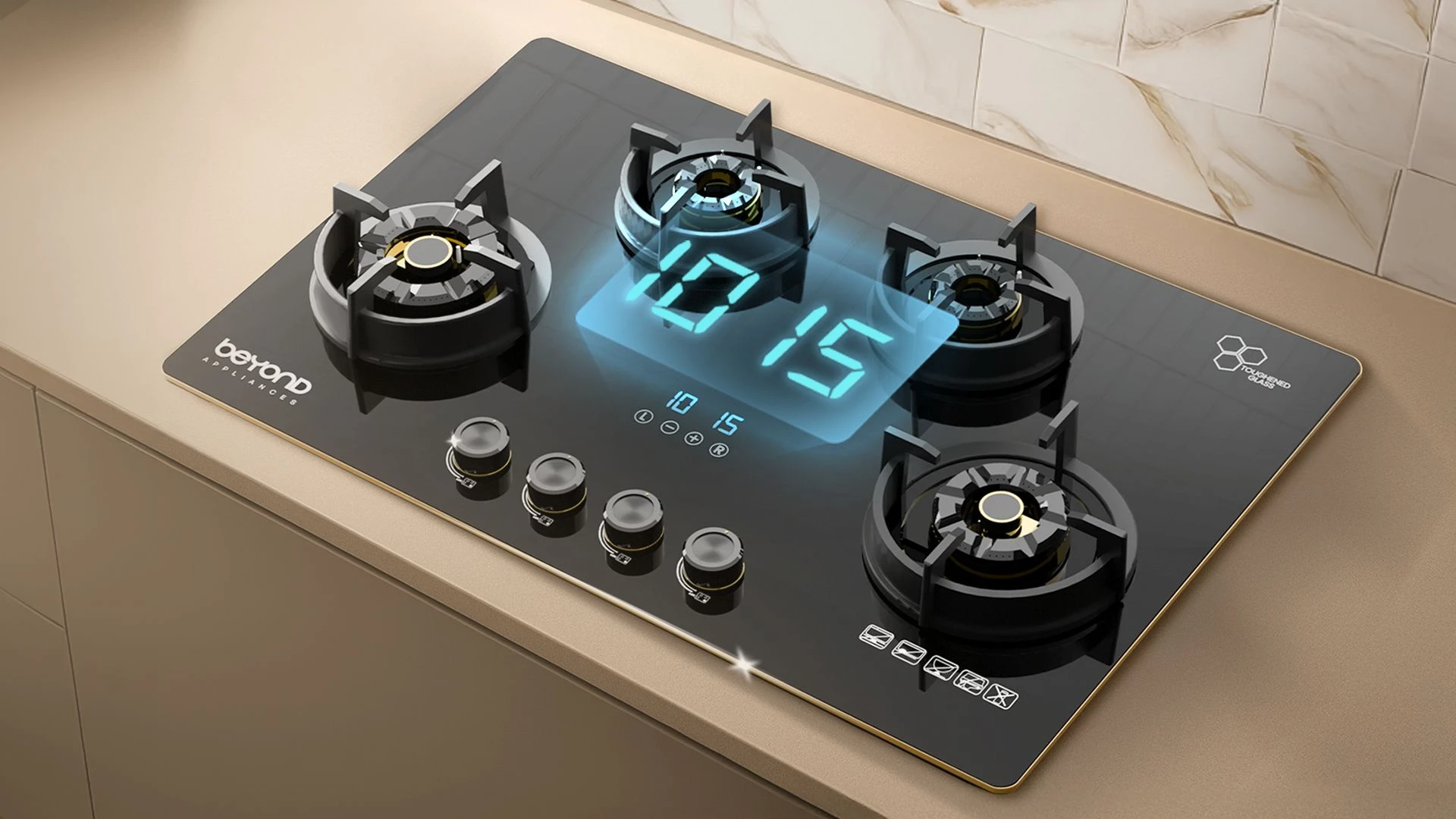
Electric cooktops have quietly revolutionized modern kitchens across India, offering homemakers and cooking enthusiasts a smarter way to prepare meals. While many still debate the merits of gas versus electric cooking, the latest electric cooktop technology delivers surprising advantages that go far beyond basic functionality. From enhanced safety features to remarkable energy efficiency, these modern kitchen appliances are transforming how we think about cooking. Whether you're renovating your kitchen or simply looking to upgrade your cooking experience, understanding these seven unexpected benefits will help you make an informed decision about your next cooktop purchase.
The benefits of electric cooktop technology become immediately apparent when you examine energy consumption patterns. Electric cooktops convert nearly 85% of electrical energy directly into heat, compared to gas stoves that lose approximately 60% of their energy through heat dissipation around the cookware. This remarkable efficiency translates into tangible savings on your monthly utility bills. A typical household using an electric cooktop can save between INR 500 to INR 1,200 annually compared to traditional gas cooking methods. The precise heat control eliminates energy waste from overshooting target temperatures or maintaining unnecessary high heat levels.
Beyond personal savings, energy efficient cooktops contribute to reduced carbon footprints. Electric models produce zero direct emissions in your kitchen, improving indoor air quality significantly. When powered by renewable energy sources, electric cooktops become even more environmentally friendly than their gas counterparts.
Modern electric cooktops incorporate multiple safety mechanisms that make them among the safe cooktop options available today. Unlike gas stoves, electric models eliminate risks associated with gas leaks, open flames, and carbon monoxide exposure. Automatic shut-off features activate when cookware is removed or when preset cooking times expire. Residual heat indicators clearly show when cooking surfaces remain hot, preventing accidental burns. Child safety locks disable controls, ensuring little hands cannot accidentally activate the cooktop.
Precise temperature regulation prevents dangerous overheating situations. Many models include overheat protection that automatically reduces power or shuts down the unit when surface temperatures exceed safe limits. This feature particularly benefits busy households where multitasking might lead to forgotten pots or pans.
The flat, smooth surface of electric cooktops makes them the ultimate easy to clean cooktop solution. Unlike gas stoves with multiple grates, drip pans, and burner components, electric models require only simple wiping with appropriate cleaning solutions. Spills cannot fall into hard-to-reach crevices or underneath removable parts. Food residue stays on the surface where it can be easily addressed before it hardens or burns on. Most electric cooktops feature glass-ceramic surfaces that resist staining and maintain their appearance with minimal maintenance.
Electric cooktops require fewer replacement parts over their lifetime. No gas connections need servicing, no burner ports require cleaning, and no pilot lights need adjustment. This simplicity reduces both maintenance costs and the time spent on upkeep tasks.
One of the most significant electric cooktop advantages lies in their ability to maintain consistent temperatures for healthy cooking methods. Even heat distribution prevents hot spots that can burn food while leaving other areas undercooked. This consistency helps preserve nutrients in vegetables and proteins that might otherwise be lost through uneven cooking. Lower temperature cooking becomes more reliable, allowing for gentle preparation methods that maintain food quality and nutritional value.
Many electric cooktops offer temperature settings that rival professional kitchen equipment. This precision enables techniques like slow simmering, gentle melting, and controlled searing that enhance both flavor and nutritional content of prepared meals.
Modern electric cooktop features include rapid heating elements that bring cookware to temperature faster than traditional methods. Induction models, in particular, heat cookware directly rather than heating the cooktop surface first, resulting in dramatically reduced cooking times. Water boils approximately 50% faster on quality electric cooktops compared to gas alternatives. This speed improvement becomes especially valuable during busy meal preparation periods or when cooking for larger families.
Unlike gas flames that require gradual adjustment, electric cooktops provide immediate response to temperature changes. When you reduce the heat setting, the cooking temperature drops instantly, giving you better control over delicate cooking processes.
Electric cooktops seamlessly integrate into contemporary kitchen designs, offering clean lines and minimalist aesthetics that complement modern kitchen appliances. The flush-mount installation creates smooth countertop transitions that make kitchens appear larger and more organized. Available in various sizes and configurations, electric cooktops accommodate different kitchen layouts without compromising style. The absence of visible gas connections or protruding elements maintains clean sight lines throughout the cooking area.
Electric models often require less clearance around the cooking surface, allowing for more efficient kitchen layouts. This space efficiency proves particularly valuable in smaller kitchens where every inch matters.
The best electric cooktops offer multiple cooking zones with different sizes and power levels to accommodate various cookware and cooking techniques. Bridge elements allow for oversized pans or griddles, while warming zones keep prepared foods at serving temperature. Specialized settings for different cooking methods eliminate guesswork from meal preparation. Whether you're searing steaks, simmering sauces, or keeping side dishes warm, dedicated controls optimize performance for each task.
While induction models require magnetic cookware, traditional electric cooktops work with virtually any pot or pan material. This versatility allows you to use existing cookware while gradually upgrading to more efficient options.
When evaluating cooktop vs stove options, several key factors distinguish electric models from their gas counterparts. Electric cooktops excel in energy efficiency, safety features, and maintenance simplicity, while gas stoves traditionally offered faster heating and lower operating costs. However, modern electric technology has largely eliminated previous disadvantages. Advanced heating elements now provide rapid temperature changes, while improved efficiency has reduced operating cost differences. The choice increasingly depends on personal preferences and kitchen infrastructure rather than performance limitations.
Electric cooktops often prove easier to install in homes without existing gas lines. The electrical requirements, while specific, typically involve less complex infrastructure changes than gas line installation and ventilation requirements.
Yes, electric cooktops convert approximately 85% of energy into usable heat, compared to gas stoves that lose about 60% of energy through heat dissipation. This efficiency translates into lower utility bills and reduced environmental impact.
Electric cooktops eliminate risks from gas leaks, open flames, and carbon monoxide exposure. They include safety features like automatic shut-off, residual heat indicators, and child safety locks that gas stoves cannot provide.
The flat, smooth surface of electric cooktops allows for simple wiping without removing grates or cleaning multiple components. Spills stay on the surface rather than falling into hard-to-reach areas.
Modern electric cooktops offer precise temperature control with instant response to setting changes. This consistency helps preserve nutrients and enables professional-level cooking techniques.
Induction cooktops heat cookware directly, providing faster heating times and greater energy efficiency than traditional electric models. However, they require magnetic cookware for proper function.
Typical households save between INR 500 to INR 1,200 annually on utility costs when switching from gas to electric cooking, depending on usage patterns and local energy rates.
The benefits of electric cooktop technology extend far beyond basic cooking functionality. From superior energy efficiency and enhanced safety features to effortless maintenance and precise temperature control, electric cooktops offer compelling advantages for modern households. The combination of faster cooking times, sleek aesthetics, and versatile cooking options makes them an excellent investment for anyone looking to upgrade their kitchen experience. As technology continues advancing, electric cooktops represent the future of efficient, safe, and enjoyable home cooking.
