

7 Secrets to a Healthy Kitchen That Transforms Life
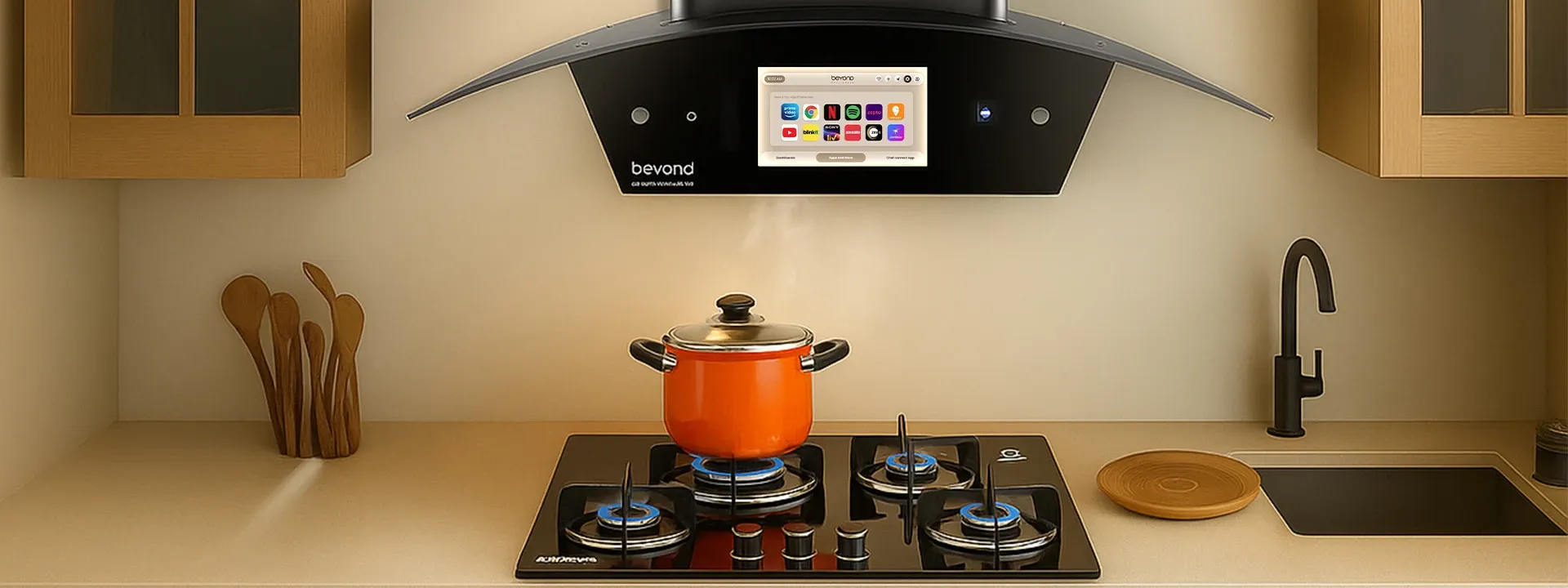
A healthy kitchen serves as the heart of wellness in your home. When you transform your cooking space into a hub for nutritious meal preparation, you unlock countless benefits that extend far beyond the dinner table. The benefits of healthy kitchen design and organization ripple through every aspect of your life, from improved physical health to enhanced mental wellbeing. Creating this transformation doesn't require a complete renovation—it starts with understanding how small, strategic changes can yield powerful results for your entire family's health journey.
The benefits of healthy kitchen environments extend far beyond simple meal preparation. When you invest in creating a space dedicated to nutritious cooking, you're building a foundation for long-term wellness that impacts every member of your household.
Home cooking provides unmatched control over your nutrition. You choose every ingredient, control portion sizes, and eliminate hidden additives found in processed foods. This control leads to better weight management and reduced risk of chronic diseases like diabetes and heart disease. Studies show that families who cook at home consume more fruits, vegetables, and whole grains while reducing their intake of calories, sodium, and unhealthy fats.
Your kitchen design directly influences your eating habits. A well-organized space with proper ventilation from quality chimneys encourages frequent cooking. When healthy ingredients are easily accessible and cooking feels effortless, you naturally gravitate toward nutritious meal preparation. The right kitchen layout and equipment make healthy eating the convenient choice rather than the difficult one.
Kitchen organization forms the backbone of successful healthy eating habits. When your space supports quick access to nutritious ingredients and efficient meal preparation, you eliminate the barriers that often lead to unhealthy food choices.
Create dedicated zones in your kitchen for different types of food preparation. Designate prime real estate for fresh produce, whole grains, and lean proteins. Keep processed foods in less accessible areas. This system naturally guides you toward healthier choices during meal planning and cooking.
Invest in proper food storage containers that maintain freshness and visibility. Clear containers allow you to see healthy ingredients at a glance, while airtight seals preserve nutrients. Organize your refrigerator with healthy options at eye level and less nutritious choices in harder-to-reach spots.
Meal prep transforms your relationship with healthy eating by making nutritious choices convenient and accessible throughout the week. This strategy eliminates decision fatigue and reduces reliance on processed convenience foods.
Dedicate 2-3 hours each weekend to prepare base ingredients for the week. Cook grains in bulk, wash and chop vegetables, and prepare protein portions. This foundation allows you to assemble healthy meals quickly during busy weekdays without compromising nutrition.
Proper storage techniques maintain the nutritional value of your prepared foods. Store cut vegetables in water to maintain crispness, freeze portions in individual containers, and use glass storage to prevent nutrient loss from plastic chemicals.
Kitchen design plays a crucial role in supporting healthy eating habits. The right equipment and layout make nutritious cooking easier, faster, and more enjoyable.
Invest in quality cooking equipment that supports healthy preparation methods. A good ventilation system with efficient chimneys allows for healthier cooking techniques like steaming and sautéing without lingering odors. Quality cooktops and gas stoves provide precise temperature control for nutrient-preserving cooking methods.
Designate specific areas for washing, chopping, and preparing fresh ingredients. Ensure adequate lighting and ventilation in these zones. A well-ventilated kitchen with proper chimney installation encourages more frequent cooking by eliminating smoke and odors that might otherwise discourage meal preparation.
A well-stocked healthy kitchen eliminates the excuse of not having nutritious ingredients available. Strategic pantry and refrigerator organization ensures you always have the building blocks for healthy recipes.
Keep whole grains like quinoa, brown rice, and oats readily available. Stock healthy fats including olive oil, nuts, and seeds. Maintain a variety of herbs and spices to add flavor without excess sodium. These staples form the foundation for countless healthy recipes and meal combinations.
Both fresh and frozen ingredients have their place in a healthy kitchen. Frozen vegetables often retain more nutrients than fresh produce that has traveled long distances. Use fresh ingredients for immediate consumption and frozen options for convenient meal prep and cooking.
The way you cook food significantly impacts its nutritional value. Mastering healthy cooking techniques ensures you maximize the wellness benefits of every meal you prepare.
Steaming, sautéing, and roasting preserve more nutrients than boiling or frying. These methods require proper ventilation to manage steam and cooking odors effectively. Quality kitchen chimneys ensure your cooking environment remains comfortable while you use these healthier techniques.
Home cooking naturally reduces calorie intake by eliminating hidden fats, sugars, and preservatives found in restaurant and processed foods. You control portion sizes and cooking methods, leading to meals that are both satisfying and nutritionally balanced.
A healthy kitchen environment fosters mindful eating habits and strengthens family connections around food. This transformation extends beyond nutrition to impact mental health and social wellbeing.
Cooking can serve as a form of meditation and stress relief. The process of preparing fresh ingredients and creating nourishing meals provides a sense of accomplishment and control. A well-designed kitchen with proper ventilation and organization supports this mindful approach to food preparation.
Involving family members in meal prep and cooking creates positive associations with healthy eating. Children who participate in food preparation are more likely to try new foods and develop lifelong healthy eating habits.
Tracking the impact of your healthy kitchen changes helps maintain motivation and identify areas for continued improvement. The benefits extend far beyond the kitchen itself.
Monitor changes in energy levels, sleep quality, and overall wellbeing as you increase home cooking frequency. Many people notice improved digestion, clearer skin, and better mood stability within weeks of transitioning to a healthier kitchen routine.
Consistent healthy eating supported by a well-designed kitchen contributes to disease prevention and increased longevity. The investment in quality kitchen equipment and organization pays dividends in reduced healthcare costs and improved quality of life over time.
Home food preparation offers complete ingredient control, portion management, cost savings, family bonding opportunities, and elimination of harmful additives found in processed foods.
Cooking your own meals reduces sodium and sugar intake, increases vegetable consumption, improves portion control, and provides better nutrition overall compared to restaurant or processed foods.
Organized kitchens make healthy ingredients more accessible and meal preparation more efficient, leading to increased frequency of home cooking and better food choices.
Home cooking supports weight management, reduces chronic disease risk, improves mental health, strengthens immune function, and enhances family relationships through shared meal experiences.
A healthy kitchen creates a foundation for improved physical health, mental wellbeing, family connections, and long-term wellness habits that impact every aspect of daily life.
Transforming your kitchen into a healthy cooking environment requires strategic organization, proper equipment, and mindful design choices. The benefits of healthy kitchen practices extend far beyond nutrition to impact mental health, family relationships, and long-term wellness. Start with small changes like reorganizing your pantry and investing in quality ventilation systems that support healthy cooking methods. These foundational improvements create a ripple effect that transforms not just your meals, but your entire approach to health and wellness.
