

7 Safest Hobs for Worry-Free Cooking at Home
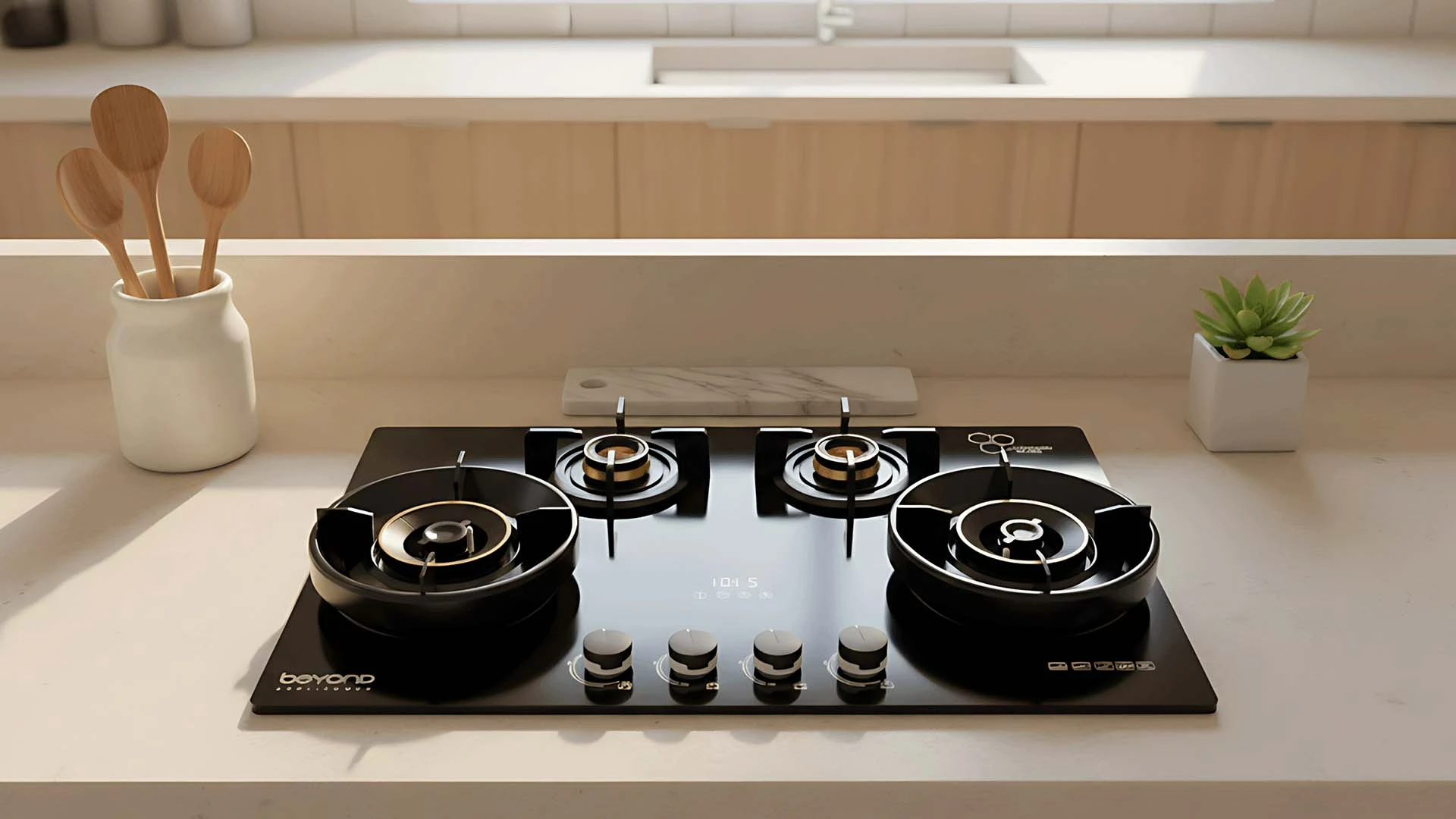
Safety in the kitchen isn't just about preventing accidents—it's about creating a space where families can cook with confidence and peace of mind. Modern cooking technology has revolutionized kitchen safety, offering features that protect against burns, gas leaks, and electrical hazards. Whether you're a busy parent managing multiple tasks or caring for elderly family members, choosing the best hob for safe cooking can make all the difference in your daily routine. Today's advanced hobs combine cutting-edge safety features with energy efficiency and user-friendly designs, ensuring that your kitchen remains the heart of your home without compromising on protection.
Kitchen accidents account for thousands of injuries annually, with burns and gas-related incidents being the most common. Traditional cooking methods often expose families to unnecessary risks, from open flames that can ignite clothing to hot surfaces that remain dangerous long after cooking ends. Modern safe cooking hob technology addresses these concerns through intelligent design and automated safety systems. The financial impact of kitchen accidents extends beyond immediate medical costs. Property damage from gas leaks or electrical fires can be devastating, while the emotional toll on families dealing with preventable injuries is immeasurable. Investing in advanced hob safety features provides long-term protection that far outweighs the initial cost difference. Today's safety-focused hobs incorporate multiple protection layers, from automatic shut-off systems to child-resistant controls. These features work together to create a cooking environment where accidents become increasingly unlikely, allowing you to focus on creating delicious meals rather than worrying about potential hazards.
Modern hobs incorporate sophisticated safety systems that go far beyond basic flame control. Understanding these features helps you make informed decisions when selecting the safest option for your kitchen needs.
The most critical safety feature in any modern hob is the automatic shut-off system. Gas hobs equipped with flame failure devices immediately stop gas flow when flames are extinguished accidentally. This hob with safety cut off technology prevents dangerous gas accumulation that could lead to explosions or carbon monoxide poisoning. Overheating protection mechanisms monitor surface temperatures continuously, automatically reducing heat or shutting down the system when dangerous levels are detected. Timer-based safety shutdowns provide additional protection for busy cooks who might forget about simmering dishes.
Families with young children benefit enormously from childproof hob features. Control panel locks prevent curious little hands from accidentally turning on burners, while safety covers protect knobs from being turned during play. Modern designs incorporate smooth surfaces that eliminate sharp edges and reduce injury risks. For elderly users, the best hob for elderly individuals features large, clearly marked controls with high contrast indicators. Easy-grip knobs reduce strain on arthritic hands, while stable construction prevents accidental movement during use. Visual and audible alerts help users with reduced vision or hearing stay aware of operating status.
Advanced surface materials remain cooler during operation, reducing burn risks significantly. Residual heat indicators clearly show when surfaces remain hot after cooking, preventing accidental contact. Spillage protection systems contain liquids and prevent them from reaching electrical components or gas connections.
Induction technology represents the pinnacle of cooking safety, eliminating many traditional hazards through innovative electromagnetic heating. Unlike gas or electric hobs, induction systems generate heat directly in cookware, leaving the cooking surface relatively cool.
Induction hob safety begins with the absence of open flames or glowing heating elements. The electromagnetic field only activates when compatible cookware is present, automatically shutting off when pots are removed. This intelligent response prevents accidental activation and reduces energy waste. Temperature control with induction hobs is instantaneous and precise. Unlike gas flames that continue burning until manually adjusted, induction systems respond immediately to control changes. This responsiveness prevents overheating and reduces the risk of food burning or oil fires. The low radiation hob design of quality induction systems produces minimal electromagnetic emissions, well below international safety standards. Modern induction hobs incorporate shielding that further reduces any potential exposure.
Induction hobs achieve up to 90% energy efficiency compared to 40-50% for gas alternatives. This energy efficient hob design reduces heat waste in the kitchen, maintaining more comfortable cooking environments and reducing air conditioning costs. Indoor air quality improves significantly with induction cooking. Gas combustion produces nitrogen dioxide and carbon monoxide, while induction systems generate no emissions. This makes induction the clear choice for healthy cooking hob applications, especially in apartments with limited ventilation. Precise temperature control enables healthier cooking techniques. Lower temperatures preserve nutrients better, while consistent heat distribution prevents hot spots that can create harmful compounds in food.
Premium induction hobs in the INR 25,000-40,000 range offer comprehensive safety features including child locks, overheat protection, and voltage surge protection. These models typically include preset cooking modes that automatically adjust temperature and timing for optimal safety. Mid-range options between INR 15,000-25,000 provide essential safety features like automatic pan detection and timer functions. These hobs balance safety with affordability, making advanced protection accessible to more families. Budget-conscious choices in the INR 8,000-15,000 range still offer basic safety features like overheating protection and child locks. While lacking some premium features, these models provide significant safety improvements over traditional cooking methods.
Modern gas hobs have evolved significantly, incorporating safety technologies that address traditional concerns while maintaining the cooking performance that many prefer. Advanced flame failure devices and auto-ignition systems make gas cooking safer than ever before.
Flame failure devices represent the most important safety advancement in gas hob technology. These systems use thermocouples to monitor flame presence, automatically shutting off gas flow within seconds if flames are extinguished. This technology prevents gas accumulation that could lead to dangerous situations. Auto-ignition systems eliminate the need for matches or lighters, reducing burn risks during lighting. Piezo-electric ignition creates sparks at the touch of a button, while some premium models offer one-handed operation for added convenience. Brass burner construction provides superior durability and heat distribution compared to aluminum alternatives. The easy clean hob design of modern gas hobs features removable burner caps and drip trays that simplify maintenance and prevent grease accumulation.
Four-burner configurations offer optimal flexibility for Indian cooking styles, accommodating multiple pots simultaneously. Safety features in premium models include individual flame failure protection for each burner, ensuring comprehensive protection across all cooking zones. Toughened glass tops provide easy cleaning while maintaining safety. These surfaces resist thermal shock and distribute weight evenly, preventing damage from heavy cookware. Spill-proof designs contain liquids and prevent them from reaching gas connections. Installation requirements for safe gas hob operation include proper ventilation and professional connection to gas supplies. Regular maintenance schedules help ensure safety features continue functioning correctly throughout the hob's lifespan.
Ceramic and electric hobs offer compelling safety advantages for specific situations, particularly in apartments with gas restrictions or homes prioritizing easy maintenance. These technologies eliminate gas-related risks while providing reliable cooking performance.
Ceramic surfaces eliminate open flames and gas connections, removing two major sources of kitchen accidents. Smooth glass tops prevent food and grease accumulation in crevices, making thorough cleaning easier and reducing fire risks from built-up residue. Residual heat indicators clearly mark hot zones after cooking, preventing accidental burns. These visual warnings remain active until surfaces cool to safe temperatures, providing ongoing protection for busy kitchens. Child safety locks prevent accidental activation, while some models include hot surface locks that disable controls when temperatures exceed safe levels. These features make ceramic hobs particularly suitable for families with young children.
Apartment dwellers often face restrictions on gas installations, making electric options the safest legal choice. Electric hobs require only standard electrical connections, simplifying installation and reducing ongoing maintenance requirements. Budget considerations favor electric hobs for initial purchase costs, though operating expenses may be higher depending on local electricity rates. Long-term safety benefits often justify higher operating costs, particularly for families prioritizing accident prevention. Cooking performance varies between electric types, with ceramic offering more responsive temperature control than traditional coil elements. For households that primarily use moderate heat cooking methods, electric hobs provide adequate performance with enhanced safety.
Selecting the safest hob requires careful consideration of your specific needs, kitchen layout, and family situation. A systematic approach ensures you choose features that provide maximum protection for your unique circumstances.
Certification standards provide the foundation for hob safety. Look for ISI marks and BIS certification, which indicate compliance with Indian safety standards. International certifications like CE marking add additional assurance for imported models. Essential safety features include automatic shut-off, child locks, and overheating protection. Premium features like pan detection, timer controls, and advanced diagnostics provide additional protection but may not be necessary for all users. Kitchen layout affects safety requirements significantly. Open kitchens benefit from induction hobs that don't add heat to living spaces, while enclosed kitchens with good ventilation can safely accommodate gas options.
Professional installation ensures safety features function correctly from day one. Gas hobs require certified technicians for connections, while electric and induction models benefit from proper electrical assessment and circuit protection. Regular maintenance schedules keep safety systems operating effectively. Monthly cleaning prevents grease accumulation, while annual professional inspections identify potential issues before they become dangerous. Warning signs requiring immediate attention include unusual odors, irregular flames, or error messages on digital displays. Prompt professional service prevents minor issues from developing into safety hazards.
Entry-level options between INR 5,000-15,000 provide basic safety features like flame failure protection and simple child locks. These models offer significant safety improvements over older hobs while remaining budget-friendly. Mid-range hobs in the INR 15,000-30,000 category include advanced features like auto-ignition, timer controls, and premium materials. This price range offers the best balance of safety and features for most families. Premium models above INR 30,000 incorporate cutting-edge safety technology including smart diagnostics, app connectivity, and advanced sensor systems. These features provide maximum protection for families prioritizing safety above all other considerations.
Induction hobs are generally considered the safest option due to their lack of open flames, cool cooking surfaces, and automatic shut-off when cookware is removed. They eliminate gas leak risks and reduce burn hazards significantly compared to traditional cooking methods.
Induction hobs offer superior safety features including instant temperature response, automatic pan detection, and cooler surfaces. Ceramic hobs provide good safety through smooth surfaces and residual heat indicators, but lack the advanced protection systems found in quality induction models.
Elderly users benefit from large, clearly marked controls, automatic shut-off timers, and stable construction. Look for models with easy-grip knobs, high-contrast displays, and simple operation procedures that reduce confusion and operating errors.
Regular cleaning prevents grease accumulation that can interfere with sensors and safety systems. Schedule annual professional inspections for gas hobs, and immediately address any unusual sounds, smells, or error messages that might indicate safety system problems.
Choosing the best hob for safe cooking requires balancing your specific needs with available safety technologies. Induction hobs lead in overall safety, while modern gas hobs with advanced safety features remain viable for families preferring traditional cooking methods. Electric and ceramic options provide safe alternatives for specific situations like apartment living or budget constraints. Investment in quality safety features pays dividends through accident prevention and peace of mind. Whether you choose induction, gas, or electric technology, prioritize models with comprehensive safety systems including automatic shut-off, child protection, and clear status indicators. Professional installation and regular maintenance ensure these safety features continue protecting your family for years to come.
