

7 Pro Tips for Electric Cooktop Maintenance
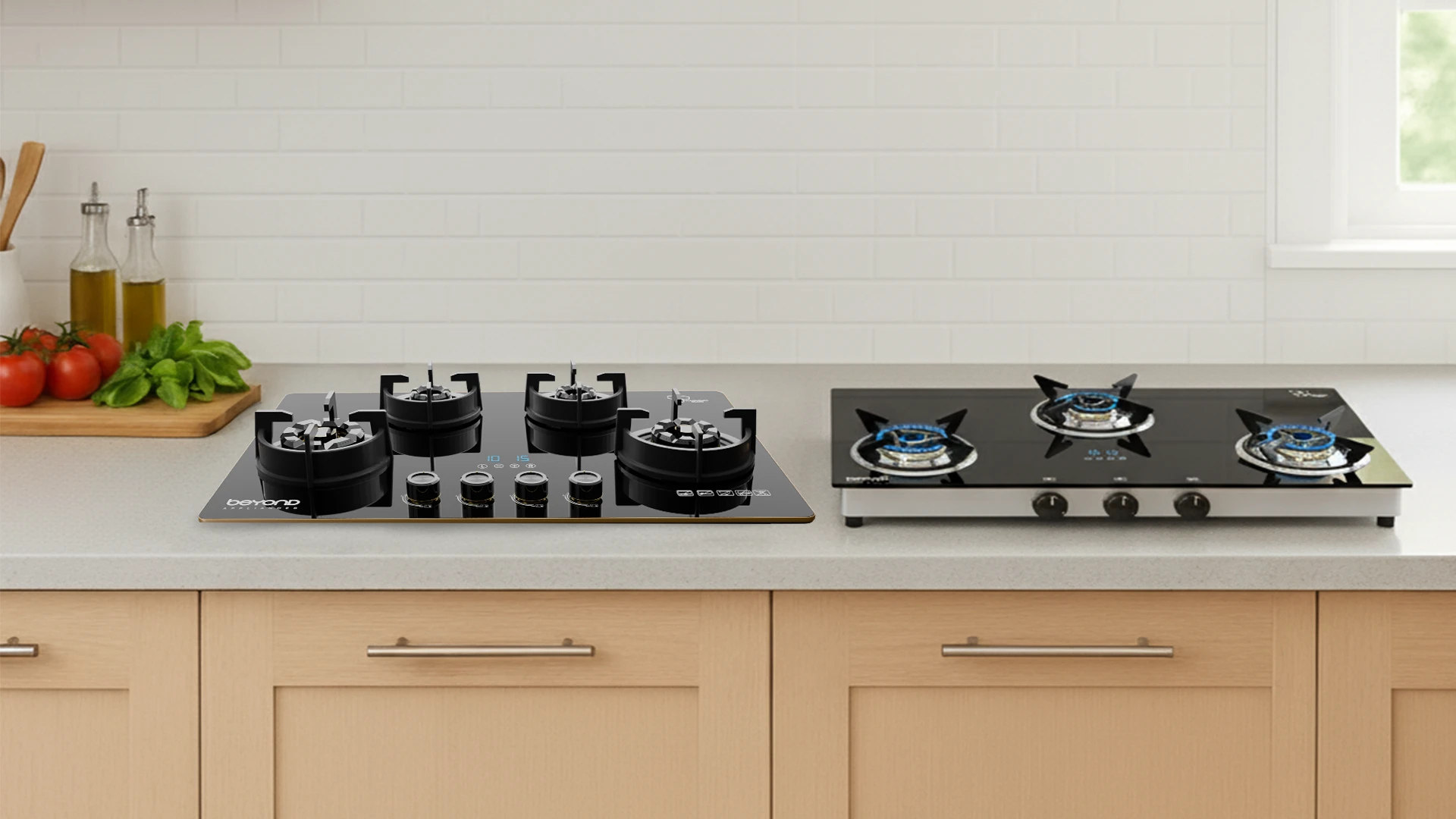
Electric cooktops have become the heart of modern kitchens, offering precise temperature control and sleek designs that complement any home. Whether you own a glass cooktop, induction model, or traditional coil-style electric stove, proper maintenance ensures your appliance serves you reliably for decades. Smart electric cooktop maintenance not only protects your investment but also creates a healthier kitchen environment where you can cook with confidence. The difference between a cooktop that lasts 8 years versus one that serves you for 20+ years often comes down to consistent care and the right maintenance approach.
A well-maintained electric cooktop does more than just look good in your kitchen. It directly impacts your family's health and safety while protecting your wallet from unnecessary expenses. Clean cooking surfaces prevent bacterial buildup and food contamination, ensuring every meal you prepare meets the highest hygiene standards. Proper electric cooktop maintenance can extend your appliance's lifespan from the typical 10-12 years to an impressive 15-20 years. This translates to significant cost savings, as quality electric cooktops can range from INR 15,000 to INR 80,000 or more. Regular maintenance also improves energy efficiency, reducing your monthly electricity bills by up to 15% compared to poorly maintained units. The health benefits extend beyond cleanliness. A properly functioning cooktop provides consistent heat distribution, ensuring food cooks evenly and safely. This prevents undercooked areas that could harbor harmful bacteria while avoiding overheated spots that create toxic compounds.
Different electric cooktop types require specific maintenance approaches to ensure optimal performance and longevity. Understanding your cooktop's unique needs helps you develop an effective cleaning and care routine.
Glass cooktops demand gentle yet thorough cleaning to maintain their smooth, elegant appearance. Always allow the surface to cool completely before cleaning to prevent thermal shock damage. Use only flat-bottom cookware to avoid scratching, and clean spills immediately to prevent permanent staining.
Induction cooktops feature sensitive electronic components that require careful cleaning around control panels and sensors. Avoid getting moisture into control areas, and use only magnetic cookware to prevent damage to the induction coils. Clean the surface with specialized induction cooktop cleaners for best results.
Coil-style electric stoves need regular drip pan cleaning and coil inspection. Remove coils carefully according to manufacturer instructions, and replace drip pans when they become heavily stained or warped. Check connection points for corrosion or damage during routine maintenance.
Selecting appropriate cleaning products makes the difference between effective maintenance and potential damage to your electric cooktop. The right tools protect your investment while ensuring thorough cleaning.
Create a gentle yet effective cleaning arsenal with these proven solutions: • Baking soda paste - Mix three parts baking soda with one part water for natural abrasive action • White vinegar - Excellent for cutting through grease and mineral deposits • Specialized cooktop cleaners - Formulated specifically for electric cooktop surfaces • Microfiber cloths - Provide streak-free cleaning without scratching • Plastic scrapers - Remove stubborn debris without surface damage
Protect your cooktop by never using these harmful products: • Abrasive cleaners containing bleach or ammonia • Steel wool pads or harsh scrubbing brushes • Rust removers on glass surfaces • Oven cleaners not designed for cooktops • Paper towels that can scratch delicate surfaces
Developing consistent daily habits prevents buildup and makes deep cleaning sessions much easier. A simple routine takes just 2-5 minutes but provides tremendous long-term benefits.
Always wait for complete cooling before beginning any cleaning process. Apply cleaning solution in gentle circular motions, working from the outside toward the center of each cooking zone. Use only soft microfiber cloths or specialized cooktop cleaning pads to avoid scratches. For immediate spill cleanup, turn off the affected burner and carefully remove excess liquid with a clean cloth. Once cooled, clean the area thoroughly to prevent permanent staining or damage.
Dedicate 15-20 minutes weekly to comprehensive cooktop maintenance. Remove control knobs if possible and clean them separately in warm, soapy water. Wipe down surrounding trim and ensure ventilation areas remain clear of grease and debris.
Minor scratches don't have to become permanent blemishes on your electric cooktop. With the right techniques and products, you can restore your cooktop's smooth appearance.
For light scratches on glass surfaces, apply specialized cooktop polish in circular motions using a soft cloth. Products like Cerama Bryte work effectively for minor surface imperfections. Allow the polish to dry completely before buffing with a clean microfiber cloth. Deeper scratches may require professional assessment. Attempting aggressive DIY repairs on significant damage often worsens the problem and may void your warranty.
Prevent scratches by using only flat-bottom cookware appropriate for your cooktop type. Always lift pots and pans rather than sliding them across the surface. Inspect cookware bottoms regularly for rough spots or debris that could scratch your cooktop.
Recognizing early warning signs helps you address issues before they become expensive repairs. Regular monitoring keeps your electric cooktop functioning optimally.
Watch for these indicators that your cooktop needs attention: • Uneven heating patterns - Hot spots or cold areas during cooking • Unusual sounds - Clicking, buzzing, or crackling noises • Control responsiveness issues - Delayed or erratic temperature changes • Surface discoloration - Permanent stains or white marks on glass • Electrical odors - Burning smells not related to food
Contact qualified technicians for electrical component failures, cracked glass surfaces, or heating element problems. These issues require specialized knowledge and tools that exceed typical DIY capabilities. Professional service ensures safety and preserves your warranty coverage.
With proper care, quality electric cooktops can serve your family for two decades or more. Strategic maintenance practices maximize your appliance's longevity and performance.
Implement seasonal deep cleaning protocols that address areas often overlooked in daily maintenance. Inspect electrical connections annually and ensure proper ventilation around your cooktop. Document maintenance activities to track patterns and identify potential issues early. Optimize usage patterns by matching cookware sizes to burner dimensions and using appropriate heat settings for different cooking tasks. These practices reduce unnecessary wear and improve energy efficiency.
Coordinate your cooktop maintenance with range hood cleaning to ensure proper ventilation and grease removal. Protect surrounding countertop surfaces from heat damage and spills. Create efficient workflows that minimize mess and make cleaning easier.
Certain spills and stains require immediate attention and specific techniques to prevent permanent damage to your electric cooktop.
Sugar spills demand immediate action while the cooktop is still warm. Use a plastic scraper to remove melted sugar before it hardens and potentially cracks the glass surface. For burnt-on food, apply baking soda paste and let it sit for 15 minutes before gentle scrubbing. Grease buildup responds well to white vinegar solutions followed by thorough rinsing. For mineral deposits from hard water, use specialized cooktop cleaners designed to dissolve these stubborn marks.
Aluminum residue appears as gray marks on glass cooktops but removes easily with specialized metal mark removers. Cast iron can leave black marks that require gentle abrasive action with baking soda paste. Copper-bottom cookware may leave reddish stains that respond to acidic cleaners like white vinegar.
Consistency makes electric cooktop maintenance effortless and effective. Develop a schedule that fits your cooking habits and lifestyle.
After each cooking session, wipe down the cooktop surface with a damp microfiber cloth. Check for spills or splatters and clean them immediately. Perform a quick visual inspection for any damage or unusual wear patterns.
Weekly deep cleaning includes removing and washing control knobs, cleaning trim areas, and checking ventilation spaces. Monthly tasks involve inspecting electrical connections, testing all heating elements, and evaluating overall performance. Document any concerns for professional evaluation.
Perform thorough deep cleaning weekly for heavy users or bi-weekly for moderate cooking. Daily maintenance prevents buildup that requires intensive cleaning sessions.
No, regular glass cleaners may contain ammonia or other chemicals that can damage cooktop surfaces. Use only cleaners specifically designed for electric cooktops.
Stop using the cooktop immediately and contact a professional technician. Cracked surfaces pose safety risks and require expert assessment for proper repair or replacement.
White marks typically result from mineral deposits or scratches. Try specialized cooktop polish first, but deep scratches may require professional repair.
Yes, most coil-style electric stoves allow safe coil removal for cleaning. Consult your owner's manual for specific instructions and safety precautions.
Proper electric cooktop maintenance transforms your kitchen into a safer, more efficient cooking environment while protecting your investment for decades. These seven professional tips provide the foundation for keeping your cooktop in optimal condition, whether you own a sleek glass surface, advanced induction model, or reliable coil-style unit. Remember that consistent daily care prevents major problems and reduces the need for expensive repairs. By implementing these maintenance strategies, you ensure your electric cooktop continues serving your family's cooking needs reliably while maintaining the healthy kitchen environment you deserve.
