

7 Key Insights: How Chimney Airflow Really Works
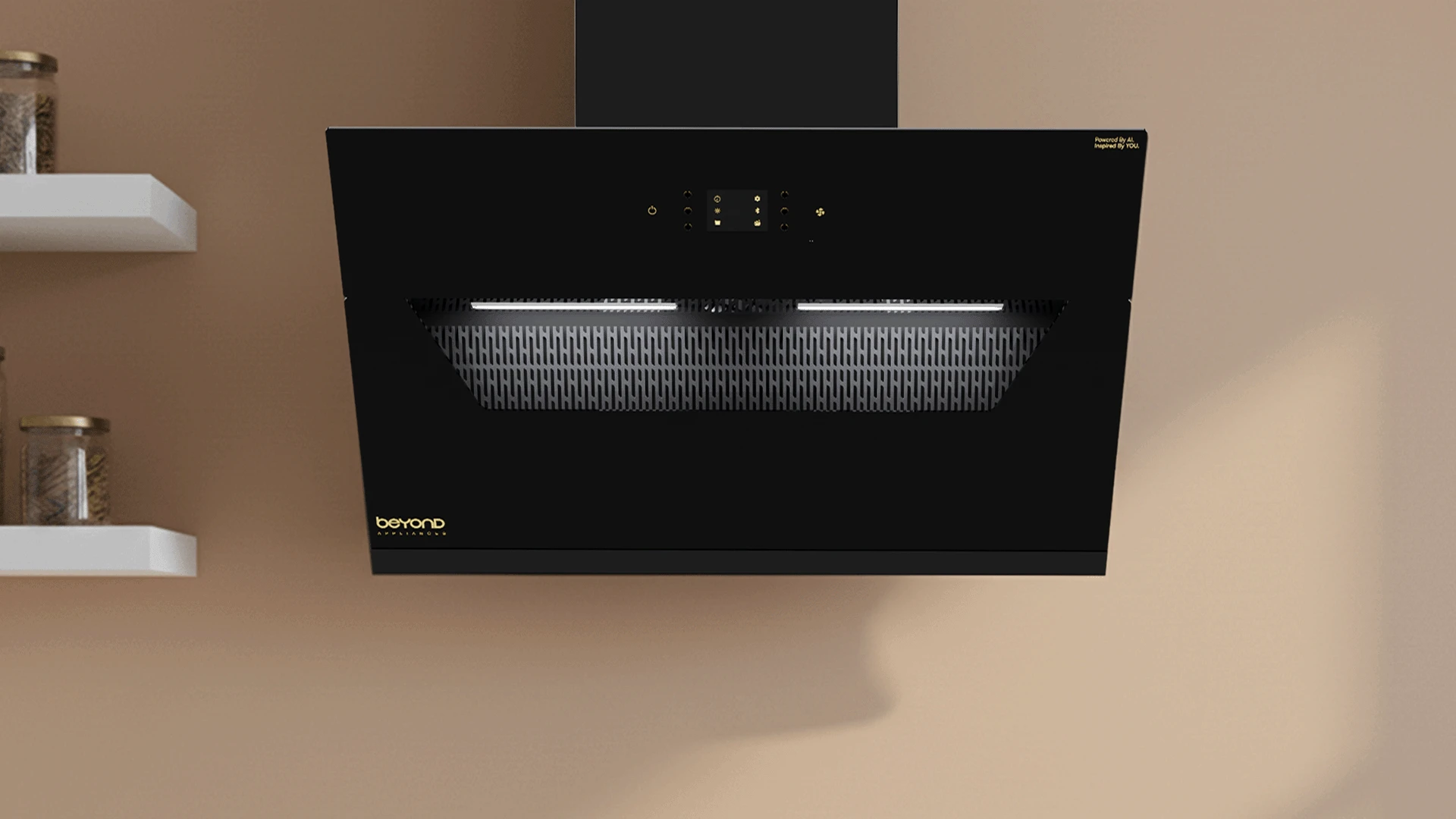
Understanding how your chimney works isn't just about curiosity—it's about safety, efficiency, and getting the most from your fireplace investment. Many homeowners struggle with smoke entering their rooms, weak fires, or poor performance without realizing these issues stem from basic chimney airflow explanation problems. The physics behind chimney function involves complex interactions between temperature, pressure, and airflow that create the natural draft system. Whether you're dealing with a traditional fireplace or modern cooking chimney, mastering these seven key insights will help you understand why proper airflow matters and how to optimize your system's performance.
The foundation of all chimney draft lies in basic physics principles that have remained unchanged for centuries. When you light a fire, hot gases become less dense than the cooler air around them, creating a natural upward movement through your chimney system. This process relies on what experts call the stack effect—the same principle that makes hot air balloons rise. The greater the temperature difference between inside and outside air, the stronger your draft becomes.
Temperature differential drives everything in chimney function. Hot combustion gases weigh less per cubic foot than cold air, creating buoyancy that pulls smoke upward through your flue. This natural convection process requires no mechanical assistance when working properly. The stack effect intensifies with chimney height—taller chimneys generally produce stronger draft because they create greater pressure differences between bottom and top.
Chimney height and diameter work together to determine draft strength. A properly sized flue should match your fireplace opening using established ratios—typically 1/10th to 1/12th the fireplace opening area. Flue liner condition directly impacts airflow smoothness. Rough, damaged, or improperly sized liners create turbulence that weakens draft and can cause dangerous backdrafts.
Fireplace airflow operates as a complete system where combustion air enters, mixes with fuel, burns efficiently, and exits through your chimney. This cycle requires careful balance between air supply and exhaust capacity. Modern homes often struggle with this balance due to improved insulation and weatherproofing that limits natural air infiltration. Your fireplace needs adequate combustion air to function safely and efficiently.
Air intake begins when your damper opens and fire starts. Cool air enters through room openings, gets heated by combustion, and rises through the flue system. This creates negative pressure that draws more air into the combustion zone. Proper combustion requires approximately 10-50 cubic feet of air per minute for every square inch of flue area, depending on fire intensity and fuel type.
Chimney pressure differences drive the entire airflow process. Your fireplace creates a low-pressure zone that pulls air from your room, while the heated flue gases create positive pressure pushing upward through the chimney. Indoor and outdoor pressure must balance correctly for optimal performance. Negative house pressure from exhaust fans, HVAC systems, or tight construction can overwhelm natural draft.
Chimney ventilation success depends on four interconnected factors that homeowners can monitor and influence. These elements work together to ensure safe, efficient operation throughout different seasons and weather conditions. Proper ventilation prevents dangerous carbon monoxide buildup while maximizing heat output and minimizing smoke problems in your living space.
Flue size must match fireplace dimensions according to established building codes. Oversized flues cool gases too quickly, while undersized ones create bottlenecks that cause smoke spillage.
Flue gases must stay hot enough to maintain upward momentum. Cold chimneys require pre-heating before use, especially during winter months when temperature differentials are greatest.
Bird nests, leaves, creosote buildup, or damaged components can severely restrict airflow. Regular inspection and cleaning prevent these issues from compromising ventilation performance.
Wind patterns, barometric pressure changes, and temperature inversions all affect chimney performance. Understanding these influences helps predict and prevent draft problems.
Understanding how chimneys work requires following the complete combustion and exhaust process from ignition to final smoke dispersal. Each stage builds upon the previous one, creating the reliable draft system that safely removes combustion byproducts. This process operates automatically when all components function correctly, but problems at any stage can disrupt the entire system.
Fuel combustion produces hot gases containing water vapor, carbon dioxide, and various particulates. These gases immediately begin rising due to their reduced density compared to room air. Complete combustion requires adequate oxygen supply and proper fuel preparation—dry, seasoned wood burns cleanest and produces the strongest draft.
Smoke flow in chimney follows predictable patterns when systems work correctly. Hot gases rise in a column through the center of your flue, while cooler air flows downward along the walls. Turbulence disrupts this laminar flow pattern, causing inefficient draft and potential smoke spillage into your room.
As hot gases rise, they create negative pressure at the fireplace level that draws in fresh combustion air. This self-sustaining cycle continues as long as fuel burns and temperature differentials exist.
Properly functioning chimneys disperse exhaust gases well above roof level, preventing re-entry into your home through windows, doors, or HVAC intakes.
Fireplace draft problems manifest in recognizable symptoms that homeowners can identify and often address without professional help. Early recognition prevents minor issues from becoming major safety hazards. Most draft problems stem from preventable causes related to maintenance, operation, or environmental factors rather than fundamental design flaws.
Smoke entering your room indicates insufficient draft to overcome room air pressure. This dangerous condition requires immediate attention to prevent carbon monoxide exposure. Difficulty starting fires often results from cold flue conditions, inadequate air supply, or obstructions that prevent proper airflow establishment. Weak flame performance suggests restricted air supply or competing pressure sources that interfere with natural draft development.
Wind conditions can create downdrafts or positive pressure that overwhelms natural chimney draft. Proper chimney cap design helps minimize wind-related problems. Barometric pressure changes affect the density differential that drives natural draft—low pressure days often produce weaker performance.
Improving chimney airflow often requires a combination of immediate adjustments and long-term upgrades. Most homeowners can implement basic improvements, while complex modifications need professional expertise. Systematic approach to airflow improvement addresses root causes rather than just symptoms, providing lasting solutions that enhance both safety and performance.
Damper adjustments can optimize airflow for current conditions. Fully open dampers during operation, but adjust gradually if draft seems excessive. Fire-building techniques significantly impact draft development. Start with small, hot fires using dry kindling to establish strong initial draft before adding larger fuel. Pre-heating methods warm cold flues before lighting fires. Hold burning newspaper near the damper opening for 30-60 seconds to initiate upward airflow.
Chimney cap installation prevents downdrafts while keeping out rain and animals. Quality caps include spark arrestors and wind-directional features. Liner improvements can dramatically enhance draft in older chimneys. Properly sized, smooth-walled liners reduce friction and maintain gas temperatures.
Chimney physics involves complex mathematical relationships that determine optimal performance parameters. While homeowners don't need engineering expertise, understanding chimney function basics helps make informed decisions about maintenance and upgrades. Modern technology enhances traditional chimney design without changing fundamental physics principles that govern natural draft systems.
Bernoulli's principle explains how gas velocity and pressure relate in chimney systems. Faster-moving gases create lower pressure zones that enhance draft strength. Heat transfer calculations determine optimal flue sizing and insulation requirements for different climate conditions and fuel types.
Contemporary improvements include advanced materials, precision manufacturing, and computer-aided design that optimize traditional chimney principles. Smart monitoring systems can track performance parameters and alert homeowners to developing problems before they become safety hazards.
Poor chimney draft typically results from inadequate temperature differential, obstructions in the flue, improper sizing, or competing air pressure sources like exhaust fans. Cold weather, dirty chimneys, and damaged components also contribute to weak draft performance.
Proper chimney airflow shows no smoke entering your room, easy fire starting, strong flame performance, and complete combustion with minimal visible smoke from the chimney top. You should feel slight air movement toward the fireplace when the damper opens.
Yes, weather significantly impacts fireplace performance. Cold temperatures increase draft strength, while warm weather weakens it. Wind can create downdrafts or enhance updrafts depending on direction and chimney design. Barometric pressure changes also affect draft strength.
Chimney height should be at least 3 feet above the roof penetration point and 2 feet higher than any roof structure within 10 feet horizontally. Taller chimneys generally produce stronger draft, but local building codes specify minimum requirements.
Chimney diameter must match fireplace opening size—typically 1/10th to 1/12th the fireplace area. Oversized flues cool gases too quickly, reducing draft. Undersized flues create bottlenecks that cause smoke spillage and poor performance.
Smoke enters rooms when chimney draft cannot overcome room air pressure. Common causes include cold flues, obstructions, inadequate air supply, competing exhaust systems, or improper damper operation. This condition requires immediate attention for safety.
Mastering chimney airflow requires understanding the natural physics that drive draft while recognizing factors that can disrupt proper function. Temperature differential creates the foundation for all chimney operation, but proper sizing, maintenance, and environmental awareness ensure optimal performance. Regular inspection and cleaning prevent most airflow problems, while understanding basic troubleshooting helps identify issues early. Whether dealing with traditional fireplaces or modern kitchen chimneys, these seven insights provide the knowledge needed to maintain safe, efficient operation throughout the year.
