

7 Key Insights: Chimney Suction Capacity Explained
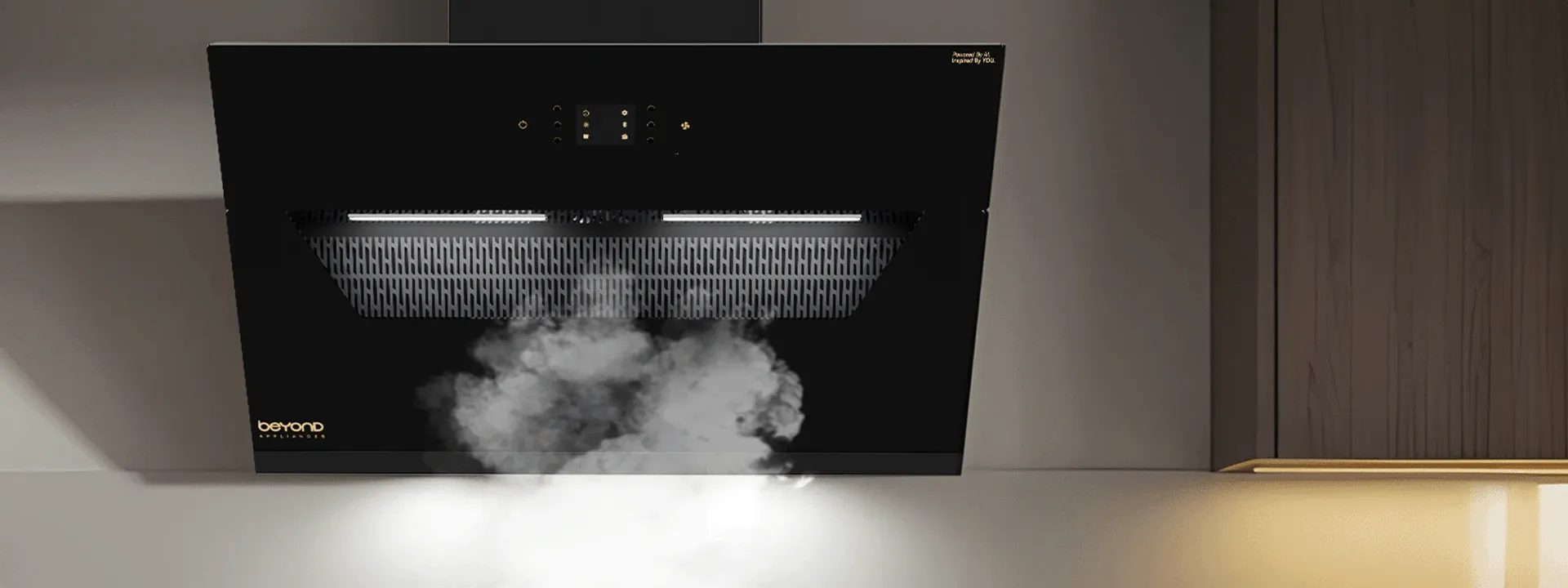
Understanding your kitchen chimney's suction capacity is crucial for maintaining a healthy cooking environment. Many homeowners struggle with lingering cooking odors, smoke, and grease buildup simply because they don't understand what chimney suction power means or how to choose the right capacity for their needs. The suction capacity determines how effectively your chimney removes airborne particles, moisture, and odors from your kitchen. This measurement, typically expressed in cubic meters per hour (m³/h), directly impacts your indoor air quality and cooking experience. Whether you're dealing with heavy Indian cooking or light meal preparation, knowing these seven key insights will help you make informed decisions about your kitchen ventilation system.
Chimney suction capacity refers to the volume of air your kitchen chimney can extract from your cooking area within one hour. This measurement tells you how much contaminated air the system can remove and replace with fresh air. The chimney suction power works by creating negative pressure above your cooking surface, drawing smoke, steam, and odors upward through filters and either outside your home or back into the kitchen after filtration.
The suction capacity represents the chimney airflow rate, measured in cubic meters per hour (m³/h). Most residential kitchen chimneys range from 400 to 1500 m³/h. Your kitchen size, cooking habits, and chimney type determine the ideal capacity. A larger kitchen requires higher suction capacity to maintain proper air circulation and remove cooking byproducts effectively.
Proper suction rate chimney performance directly impacts your family's health and comfort. Adequate suction removes harmful cooking fumes, prevents grease accumulation on surfaces, and reduces moisture that can lead to mold growth. Poor suction capacity results in lingering odors, sticky kitchen surfaces, and potential respiratory irritation from cooking smoke and steam.
Measuring chimney performance involves understanding both the technical specifications and practical testing methods. The standard measurement unit is cubic meters per hour (m³/h), which indicates how much air volume the chimney can process. However, real-world performance depends on various factors including installation quality, maintenance, and kitchen layout.
The m³/h rating tells you the maximum air volume your chimney can handle under ideal conditions. For example, a 600 m³/h chimney can theoretically process 600 cubic meters of air every hour. However, actual performance may be 70-80% of the rated capacity due to ductwork resistance, filter condition, and other factors.
Several elements influence actual chimney airflow performance. Kitchen volume calculations form the baseline, but cooking intensity, ductwork length, and the number of bends in ducting all reduce effective suction. External factors like wind conditions and building pressure also impact performance.
Different chimney designs offer varying types of chimney suction performance. Understanding these differences helps you choose the right system for your kitchen layout and cooking needs. Each type has specific advantages and limitations that affect overall ventilation effectiveness.
Ducted chimneys typically offer higher kitchen chimney capacity because they exhaust air outside, creating better suction. Ductless systems like the innovative Cube model work differently - they filter and recirculate air back into the kitchen. The Cube offers 1250 CMH suction with 3-sided vents that capture smoke effectively without requiring ducting installation.
Centrifugal motors generally provide better suction capacity than axial fans, especially for ducted systems. Variable speed controls allow you to adjust suction based on cooking intensity. The Cube features one button control to operate every function, making it simple to adjust suction levels as needed.
Determining the correct suction rate chimney capacity requires careful consideration of your kitchen dimensions and cooking habits. The standard formula provides a starting point, but personal cooking styles and kitchen layout modifications may require capacity adjustments.
Calculate your kitchen volume by multiplying length × width × height in meters. Multiply this result by 10-12 for the minimum required suction capacity. For example, a 4m × 3m × 3m kitchen (36 cubic meters) needs 360-432 m³/h minimum capacity. Heavy cooking or open kitchen layouts may require 15-20 air changes per hour.
Indian cooking with heavy frying and spice use typically requires higher capacity - around 12-15 air changes per hour. The Cube's 1250 CMH suction makes it ideal for Indian cooking with its multi-directional vents preventing smoke escape. Light cooking with occasional use can work with lower capacities around 8-10 air changes per hour.
Proper installation and maintenance significantly impact how to measure chimney suction effectiveness in real-world conditions. Even high-capacity chimneys underperform with poor installation or inadequate maintenance. Following best practices ensures you get the full benefit of your chimney's rated capacity.
Minimize ductwork length and bends to maintain optimal airflow. The Cube eliminates these concerns with no core cutting, no ducting installation that mounts directly on the wall. Traditional ducted systems should have smooth, properly sized ducts with minimal direction changes to preserve suction capacity.
Regular filter cleaning maintains peak performance. Clogged filters can reduce effective suction by 30-50%. The Cube features a 4-year filter life with active carbon filters that absorb smoke and remove oil, grease, and odors. This extended filter life reduces maintenance frequency while maintaining consistent performance.
Many homeowners make critical errors when selecting or installing kitchen chimneys, leading to poor importance of chimney suction performance. Understanding these common mistakes helps you avoid costly problems and ensures optimal ventilation for healthy kitchen ventilation.
Oversized chimneys waste energy and create excessive noise without improving performance. Undersized units cannot handle cooking loads effectively, leading to poor air quality. The best chimney suction capacity matches your specific needs rather than simply choosing the highest available rating.
Poor ductwork design significantly reduces actual suction capacity. Sharp bends, undersized ducts, and excessive length all impede airflow. The Cube's 10-minute installation with just 2 screws eliminates these installation challenges while providing effective ventilation.
For most home kitchens, a suction capacity of 400-800 m³/h is adequate. Calculate your needs using kitchen volume × 10-12 air changes per hour. Heavy Indian cooking may require 1000+ m³/h capacity.
Signs of adequate suction include quick smoke clearance, minimal cooking odors lingering, and visible airflow when testing with tissue paper near the intake. Poor performance indicates insufficient capacity or maintenance issues.
Not necessarily. Excessive suction wastes energy and creates noise. The optimal capacity should match your kitchen size and cooking habits for efficient, quiet operation.
Yes, through proper maintenance, ductwork optimization, or motor upgrades. However, major increases may require complete system replacement. Ductless options like the Cube offer easily portable solutions that uninstall in 10 minutes.
Key factors include ductwork design, filter cleanliness, motor condition, kitchen size, and external wind conditions. The Cube maintains low 48 dB noise while providing effective suction through its advanced design.
Understanding chimney suction capacity empowers you to create a healthier, more comfortable cooking environment. The right suction capacity removes harmful cooking byproducts while operating efficiently and quietly. Whether you choose traditional ducted systems or innovative ductless solutions, proper sizing and installation ensure optimal performance. Consider your kitchen size, cooking habits, and installation constraints when selecting your chimney system. Remember that the best chimney suction capacity is one that effectively handles your cooking needs without excessive energy consumption or noise. Regular maintenance and proper installation maximize your investment in healthy kitchen ventilation.
