

7 Key Facts About Kitchen Chimney Duct Pressure
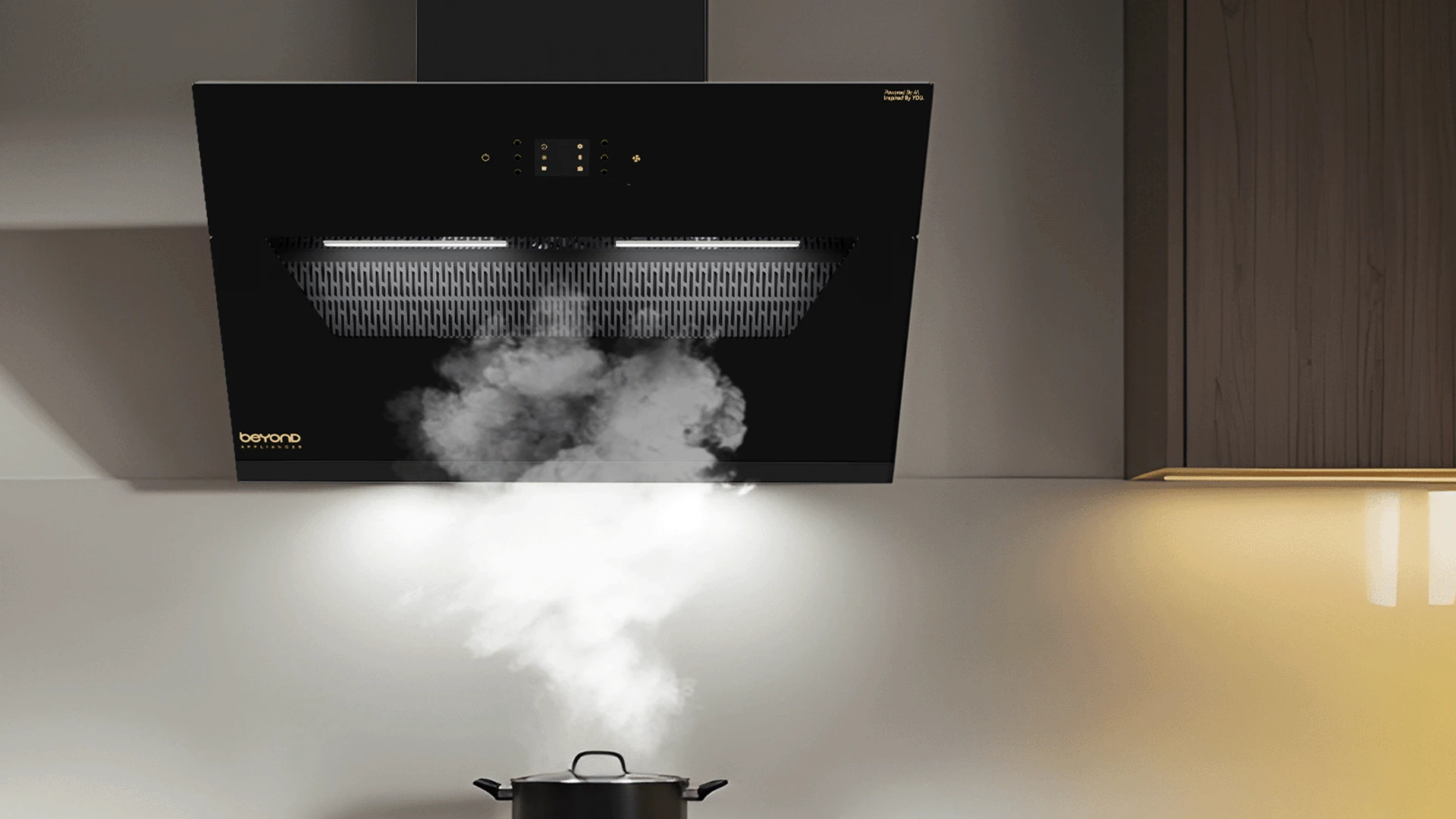
Understanding what is kitchen chimney duct pressure can transform your cooking experience from smoky and uncomfortable to clean and enjoyable. Many homeowners struggle with poor ventilation without realizing that duct pressure plays a crucial role in their kitchen's air quality. Whether you're dealing with lingering cooking odors, visible smoke, or inefficient ventilation, the science behind chimney pressure holds the answers. This comprehensive guide reveals seven essential facts about kitchen chimney duct pressure that every homeowner should know to maintain optimal ventilation performance.
Kitchen chimney duct pressure refers to the force that moves air through your ventilation system, removing smoke, grease, and odors from your cooking area. This pressure creates the suction power that draws contaminated air away from your cooktop and expels it outside through the ductwork. The effectiveness of your entire kitchen ventilation system depends on maintaining proper pressure levels throughout the duct network.
Duct pressure operates on simple physics principles where your chimney's fan motor creates negative pressure inside the ductwork. This pressure differential pulls air from your kitchen through the hood, into the ducts, and out through the external vent. The system works most efficiently when pressure remains consistent throughout the entire duct run, without significant drops or restrictions that could impede airflow.
Proper chimney pressure directly impacts your kitchen's air quality and your family's comfort during cooking. Adequate pressure ensures complete removal of cooking smoke, preventing it from spreading to other rooms. Additionally, optimal ductwork pressure reduces energy consumption by allowing your chimney to work efficiently without overexertion.
The science behind ventilation pressure involves creating controlled airflow patterns that capture and remove airborne contaminants at their source. Your range hood duct system functions as a pathway for this pressurized air movement, with the fan motor providing the driving force. Understanding these mechanics helps homeowners make informed decisions about their kitchen ventilation needs.
Air naturally moves from high-pressure areas to low-pressure zones, and your chimney capitalizes on this principle. The fan creates a low-pressure environment inside the ductwork, causing kitchen air to rush in and fill this void. This continuous cycle maintains steady airflow as long as the pressure differential remains sufficient.
Professional technicians use manometers to measure static pressure in pascals or inches of water column. Residential kitchen chimneys typically operate between 0.1 to 0.5 inches of water column pressure. Higher readings may indicate restrictions, while lower readings suggest inadequate fan capacity or duct leaks.
These essential facts reveal how chimney pressure affects your daily cooking experience and long-term system performance. Understanding these principles helps you identify problems early and maintain optimal ventilation efficiency throughout your kitchen's lifetime.
Adequate duct pressure creates a protective barrier against backdraft, where outside air or exhaust gases flow backward into your kitchen. This phenomenon occurs when external wind pressure exceeds your chimney's internal pressure, potentially bringing unwanted odors or even dangerous gases indoors. Maintaining sufficient pressure ensures consistent outward airflow regardless of weather conditions.
Larger duct diameters reduce friction and pressure loss, allowing air to flow more freely through the system. A 6-inch duct provides significantly better pressure performance than a 4-inch duct for the same airflow volume. Undersized ducts force your chimney motor to work harder, reducing efficiency and potentially shortening equipment lifespan.
Every elbow, turn, or directional change in your ductwork creates turbulence that reduces overall system pressure. Each 90-degree elbow can reduce pressure by 10-15%, while gradual curves minimize this loss. Straight duct runs maintain maximum pressure efficiency, making proper planning crucial during chimney installation.
Wind speed and direction significantly impact your kitchen chimney's pressure performance. Strong winds can create positive pressure at your external vent, opposing your chimney's exhaust flow. Building height also affects pressure, as taller structures experience different wind patterns that can enhance or hinder ventilation performance.
Insufficient ductwork pressure leads to incomplete smoke removal, allowing cooking odors to linger and spread throughout your home. You might notice grease buildup on kitchen surfaces, condensation on windows, or persistent cooking smells despite running your chimney. These symptoms indicate your system cannot generate enough pressure to effectively capture and remove airborne contaminants.
Excessive pressure strains ductwork joints, potentially causing leaks or complete system failure. Over-pressurized systems also create unnecessary noise and consume more energy than properly balanced installations. Finding the optimal pressure balance ensures efficient operation without risking component damage or premature replacement needs.
Dirty filters and grease-clogged ducts significantly reduce system pressure by restricting airflow. Monthly filter cleaning and annual professional duct cleaning maintain optimal pressure levels. Neglecting maintenance gradually reduces your chimney's effectiveness, eventually requiring costly repairs or complete system replacement.
Recognizing pressure-related issues early prevents minor problems from becoming major system failures. Most homeowners can identify these warning signs through simple observation and basic performance monitoring. Professional diagnosis becomes necessary when problems persist despite basic troubleshooting efforts.
Unusual noise levels often indicate pressure imbalances, whether from restrictions causing strain or leaks reducing efficiency. Visible smoke remaining in your kitchen during cooking clearly shows insufficient pressure for proper capture and removal. Additionally, increased energy bills may signal your chimney working harder to overcome pressure-related obstacles.
Start by checking and cleaning your filters, as blocked filters are the most common cause of pressure problems. Inspect visible ductwork for obvious damage or disconnections that could cause pressure loss. However, avoid attempting complex repairs or modifications without professional guidance, as improper work can create safety hazards.
Proper installation design maximizes pressure efficiency while minimizing energy consumption and maintenance requirements. Strategic planning during installation prevents many common pressure problems that plague poorly designed systems. Working with experienced professionals ensures your investment delivers optimal performance for years to come.
The shortest possible duct run maintains maximum pressure by minimizing friction losses throughout the system. Proper external termination with appropriate vent caps prevents wind interference while allowing unrestricted exhaust flow. Avoiding unnecessary bends and using smooth-walled ducts further optimizes pressure performance.
Certified technicians understand local building codes and proper installation techniques that ensure optimal pressure performance. Professional installation typically includes pressure testing and system balancing that DIY installations often lack. While professional installation costs more initially, proper setup prevents expensive problems and ensures warranty coverage.
Most residential kitchen chimneys operate effectively between 0.1 to 0.5 inches of water column pressure. This range provides sufficient suction for smoke removal without creating excessive strain on system components.
Signs of low pressure include visible smoke remaining in your kitchen, cooking odors spreading to other rooms, and grease accumulation on surfaces near your cooktop. Professional pressure testing provides definitive measurements.
Cleaning filters and ducts often restores lost pressure without equipment replacement. However, undersized fans or severely damaged ductwork may require professional upgrades to achieve adequate pressure levels.
Annual professional inspections ensure optimal pressure performance, while monthly filter checks help maintain consistent airflow. Contact professionals immediately if you notice sudden changes in ventilation effectiveness.
Common causes include clogged filters, damaged ductwork, blocked external vents, or fan motor problems. Severe weather can also temporarily affect pressure performance through external vent interference.
Understanding kitchen chimney duct pressure empowers homeowners to maintain effective ventilation systems that enhance cooking comfort and indoor air quality. Regular maintenance, proper installation, and prompt attention to pressure-related issues ensure your investment continues delivering optimal performance. Remember that professional guidance helps navigate complex pressure problems while maintaining safety and efficiency standards.
