

7 Key Differences: Premium vs Mid-Range Hobs
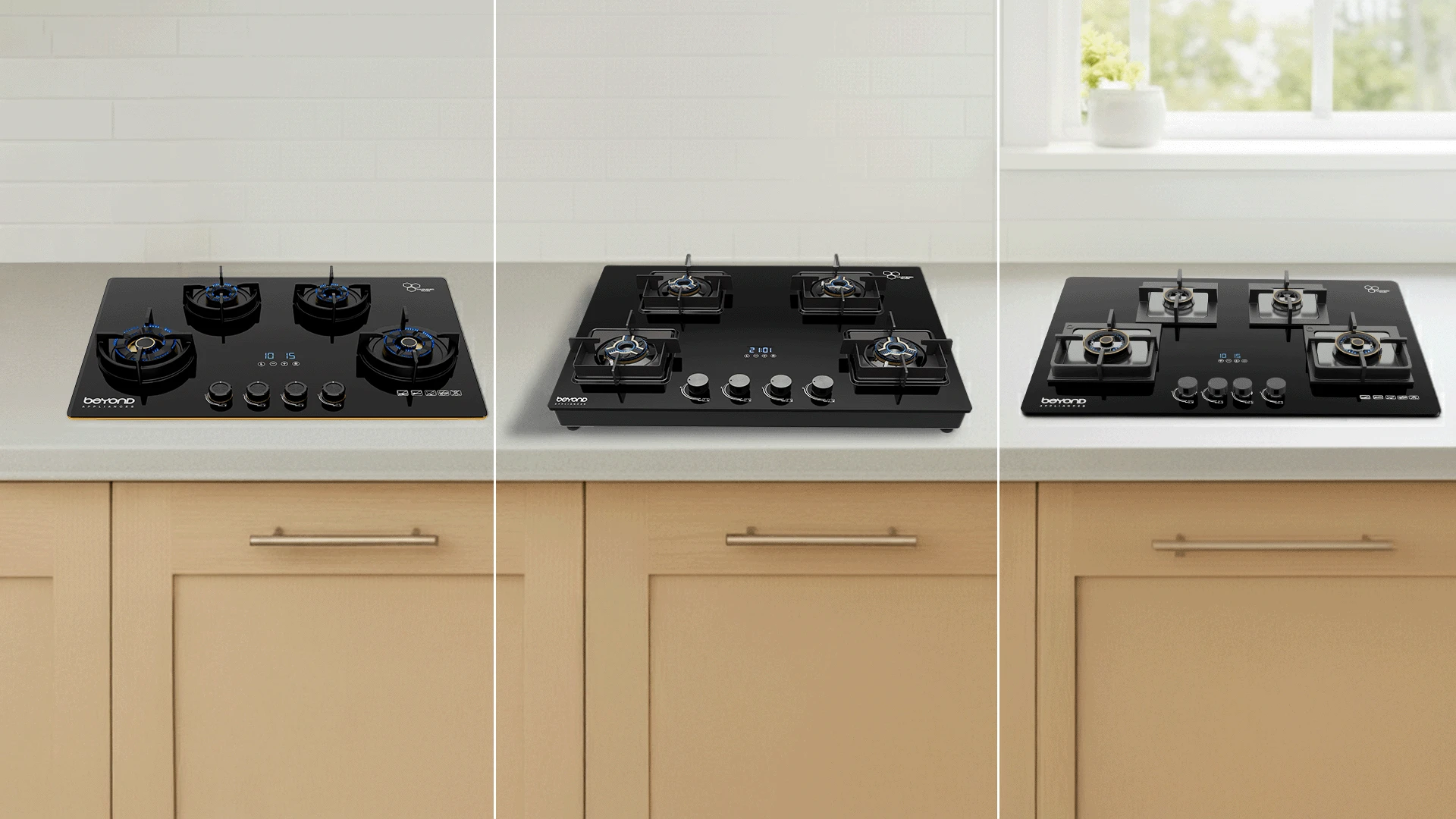
Choosing the right hob for your kitchen can feel overwhelming with so many options available. The decision often comes down to whether you should invest in a premium hob or opt for a mid-range alternative. Understanding the key differences between these categories helps you make an informed choice that matches your cooking needs, budget, and lifestyle. This comprehensive hob comparison explores seven crucial differences that separate high-end models from their affordable counterparts, giving you the insights needed to find your perfect cooking companion.
The kitchen appliance market clearly divides hobs into distinct categories based on features, materials, and price points. Premium hobs typically range from INR 25,000 to INR 80,000, while mid-range options fall between INR 8,000 to INR 25,000.
Premium hobs target serious home cooks and luxury kitchen enthusiasts. These models feature professional-grade components, advanced technology, and superior build quality. Most premium hobs come with 10-15 year lifespan expectations and comprehensive warranty coverage.
Mid-range hobs balance essential features with affordability. They serve everyday cooking needs effectively while maintaining reasonable quality standards. These models appeal to budget-conscious families who want reliable performance without premium pricing.
The most noticeable difference between premium and mid-range hobs lies in their construction quality and material choices. This fundamental distinction affects durability, appearance, and long-term performance.
High-end hobs use grade 304 or 316 stainless steel, which offers superior corrosion resistance and maintains its appearance over time. Premium gas hob models feature heavy-duty cast iron burner caps and brass components that distribute heat evenly. The precision engineering ensures tight tolerances and smooth operation.
Affordable hobs typically use standard stainless steel finishes that may show wear more quickly. While functional, these materials might require more frequent cleaning and maintenance. Mid-range models often incorporate composite materials to reduce costs while maintaining acceptable performance levels.
Performance differences become apparent during actual cooking sessions. Premium hobs deliver superior heat control and consistency compared to their mid-range counterparts.
Premium induction hob models offer precise temperature control with power levels reaching 3000-4000 watts per burner. Gas variants provide BTU outputs between 15,000-20,000, enabling professional-level cooking techniques. The heat distribution remains uniform across the cooking surface.
Mid-range hobs deliver adequate performance for everyday cooking needs. Electric hob models in this category typically offer 1500-2500 watts per element, while gas versions provide 8,000-12,000 BTU output. These specifications handle most home cooking tasks effectively.
Technology integration separates premium models from basic alternatives. Advanced features enhance cooking convenience and safety but come at a higher price point.
High-end hobs feature touch controls, digital displays, and smart connectivity options. Safety features include automatic shut-off, child locks, and overflow protection. Some models offer app integration for remote monitoring and control.
Mid-range hobs concentrate on core functionality with basic control knobs or simple touch panels. Standard safety features like flame failure protection and timer functions provide adequate protection without premium pricing.
Visual appeal and kitchen integration capabilities vary significantly between premium and mid-range options. Design elements affect both functionality and overall kitchen appearance.
Premium hobs offer seamless installation options with flush-mount capabilities. Multiple finish choices include brushed steel, black glass, and custom colors. The professional appearance enhances kitchen value and aesthetic appeal.
Mid-range models provide popular finish choices like stainless steel and black glass. While attractive, these designs may lack the refinement and customization options found in premium segments.
Brand positioning affects product quality, customer service, and long-term satisfaction. Understanding manufacturer differences helps predict ownership experience.
Best hob brands in the premium segment often provide superior customer service, extensive warranty coverage, and readily available replacement parts. European manufacturers typically lead this category with decades of appliance expertise.
Value-focused manufacturers offer competitive warranty terms and adequate service support. While service networks may be smaller, these brands often provide excellent value for money with reliable performance.
Installation complexity and ongoing maintenance needs differ between premium and mid-range hobs. These factors affect total ownership costs and user experience.
High-end models may require professional installation due to specific electrical or gas requirements. Ventilation specifications might be more demanding, requiring compatible chimney systems for optimal performance.
Mid-range hobs typically feature straightforward installation procedures. Many models allow DIY installation with basic tools and standard utility connections. Maintenance procedures remain simple with easily accessible components.
Evaluating long-term value requires considering initial costs, operating expenses, and potential resale value. This analysis helps determine the best choice for your specific situation.
Premium hobs often provide better energy efficiency, reducing operating costs over time. Higher build quality means fewer repairs and longer lifespan. Kitchen resale value may increase with premium appliance installation.
Affordable hobs offer immediate savings that can be invested elsewhere in kitchen renovation. Lower initial costs make replacement more feasible when cooking needs change or technology advances.
Premium hobs justify their cost for serious cooks who value precision, durability, and advanced features. Casual cooks may find mid-range options perfectly adequate for their needs.
Induction hobs provide the most precise temperature control and energy efficiency. Gas hobs offer immediate heat adjustment and work during power outages. Electric hobs provide consistent heating at the most affordable price point.
Premium hobs often last 15-20 years with proper maintenance. Mid-range models typically provide 8-12 years of reliable service. Regular cleaning and proper use extend lifespan regardless of category.
Reliable ignition, easy cleaning surfaces, and adequate heat output handle most cooking tasks. Safety features like automatic shut-off and child locks provide peace of mind for families.
Most hob replacements require minimal modification if staying within the same fuel type. Switching from gas to electric or induction may require electrical upgrades and countertop modifications.
The choice between premium and mid-range hobs depends on your cooking frequency, budget, and feature priorities. Premium models excel in build quality, performance, and advanced features but require significant investment. Mid-range options provide excellent value for everyday cooking needs while maintaining reasonable quality standards. Consider your cooking style, kitchen design goals, and long-term plans when making this important decision. Both categories offer reliable cooking solutions when matched properly to user requirements.
