

7 Essential Tips for Chimney Troubleshooting Now
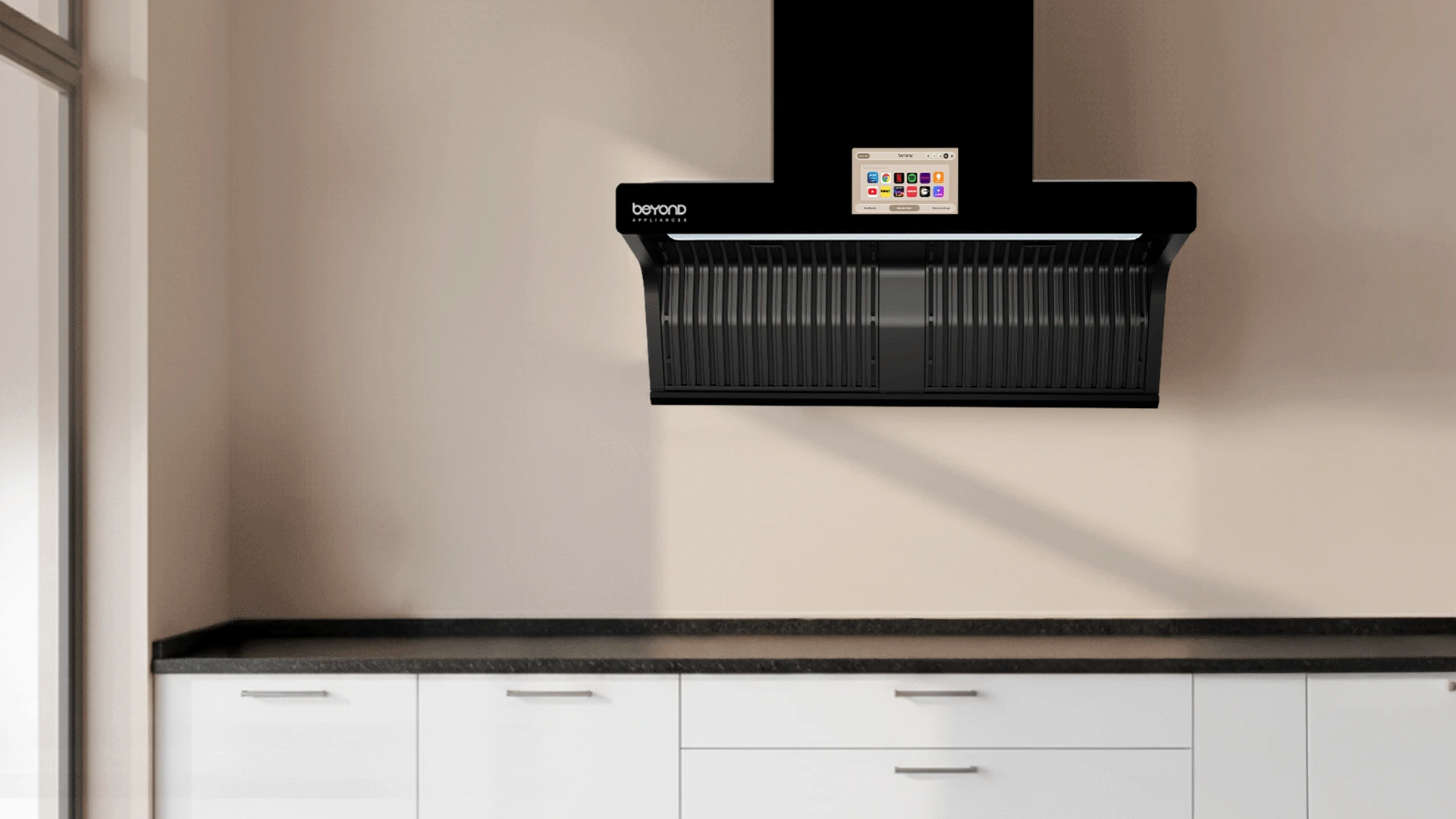
Kitchen chimneys have become essential appliances in modern homes, but when they start malfunctioning, it can turn your cooking experience into a smoky nightmare. Whether you're dealing with poor suction, strange noises, or smoke entering your kitchen instead of being extracted, understanding basic chimney troubleshooting guide techniques can save you time and money. Most chimney problems have simple solutions that homeowners can address without calling for professional help. This comprehensive guide covers seven essential troubleshooting tips that will help you identify and resolve common issues with your kitchen chimney system.
Kitchen chimneys face unique challenges compared to traditional fireplaces, dealing with grease, steam, and cooking odors daily. Recognizing early warning signs helps prevent minor issues from becoming major repairs.
Watch for these red flags that indicate your chimney needs attention: • Reduced suction power during cooking • Unusual noises like grinding or rattling • Visible grease buildup on filters or surfaces • Smoke or cooking odors not being extracted properly • LED lights flickering or not working • Excessive vibration during operation
Some problems require immediate attention to prevent safety hazards. Stop using your chimney if you notice electrical sparking, burning smells from the motor, or complete loss of suction power.
Poor suction is the most common complaint among kitchen chimney users. This issue often stems from clogged filters, blocked ducts, or incorrect installation height.
Test your chimney's suction by holding a tissue paper near the filters while the unit runs at maximum speed. The paper should be drawn firmly against the filter surface. Weak or no attraction indicates suction problems.
Start by cleaning or replacing baffle filters and cassette filters. Check the external duct for blockages like bird nests or accumulated grease. Ensure your chimney is installed at the correct height - typically 24 to 30 inches above the cooktop for optimal performance.
When smoke in house becomes a problem during cooking, it usually indicates inadequate extraction capacity or improper chimney operation.
Several factors contribute to smoke infiltration: • Undersized chimney for your cooking habits • Blocked or dirty ductwork • Incorrect fan speed settings • Poor kitchen ventilation design • Damaged or loose duct connections
Increase the fan speed before you start cooking, especially for high-heat preparations. Clean the filters thoroughly and check that all duct connections are secure. For ductless chimneys, ensure carbon filters are replaced every 3-6 months depending on usage.
Proper filter maintenance is crucial for optimal chimney performance and preventing creosote buildup equivalent issues in kitchen environments.
Kitchen chimneys use various filter types: • Baffle filters: Stainless steel, dishwasher-safe, long-lasting • Cassette filters: Aluminum mesh, require regular cleaning • Carbon filters: For ductless models, need periodic replacement
Clean baffle and cassette filters every 2-3 weeks with warm soapy water or in the dishwasher. Replace carbon filters every 3-6 months for ductless chimneys. Mark your calendar to maintain consistent cleaning schedules.
Regular chimney inspection helps identify potential problems before they affect performance or require expensive repairs.
Conduct these checks monthly: • Examine filters for grease accumulation • Test all fan speed settings • Check LED lights functionality • Inspect external duct opening for blockages • Listen for unusual noises during operation
Schedule professional maintenance annually, especially for ducted chimneys. Technicians can access internal components, check motor condition, and ensure proper duct installation that homeowners cannot safely inspect.
Fireplace troubleshooting principles apply to kitchen chimneys when dealing with electrical components and motor problems.
Electrical issues often manifest as: • Non-responsive control panels • Intermittent operation • LED light failures • Motor not starting Check power connections first, then examine the control panel for loose wires or damaged switches.
Motor problems typically indicate worn bearings, accumulated grease on fan blades, or electrical component failure. Clean fan blades carefully and lubricate motor bearings if accessible. Complex motor repairs require professional service.
Consistent chimney maintenance prevents most common problems and extends your appliance's lifespan significantly.
Develop these habits: • Wipe down exterior surfaces after cooking • Run the chimney for 2-3 minutes after cooking to clear residual smoke • Check that filters are properly seated • Monitor noise levels during operation
Create a comprehensive maintenance calendar. Deep clean filters monthly, inspect ductwork quarterly, and schedule professional service annually. Document maintenance activities to track patterns and identify recurring issues.
Understanding when to attempt DIY fixes versus calling for chimney repair services protects both your safety and warranty coverage.
Homeowners can safely handle: • Filter cleaning and replacement • Basic control panel cleaning • External duct inspection • LED bulb replacement • Minor vibration adjustments
Call professionals for motor repairs, electrical wiring issues, duct modifications, or any problem involving internal components. Attempting complex repairs may void warranties and create safety hazards.
Clean baffle and cassette filters every 2-3 weeks with regular cooking. Heavy cooking may require weekly cleaning. Carbon filters in ductless models need replacement every 3-6 months.
Loud noises usually indicate loose screws, worn motor bearings, or accumulated grease on fan blades. Check mounting screws first, then clean fan components thoroughly.
Reduced suction typically results from clogged filters, blocked ducts, or incorrect installation height. Clean filters first, then inspect external ductwork for obstructions.
Motor replacement becomes necessary when you experience frequent breakdowns, significantly reduced suction despite clean filters, or unusual burning smells during operation.
While possible, professional installation ensures proper ductwork, electrical connections, and optimal performance. DIY installation may void warranties and create safety issues.
Ducted chimneys require duct inspection and cleaning, while ductless models need regular carbon filter replacement. Both share similar motor and electrical troubleshooting procedures.
Effective chimney troubleshooting starts with understanding your specific model and maintaining consistent care routines. Most common issues like poor suction, filter problems, and minor electrical glitches have straightforward solutions that homeowners can handle safely. Regular maintenance prevents expensive repairs and ensures optimal performance throughout your chimney's lifespan. Keep detailed records of maintenance activities, unusual symptoms, and repair history to help identify patterns and communicate effectively with service technicians when professional help becomes necessary. Remember that kitchen chimneys are significant investments in your home's comfort and air quality. Taking proactive care through regular cleaning, inspection, and timely repairs protects this investment while ensuring your kitchen remains a pleasant cooking environment.
