

7 Essential Steps to Combat Indian Kitchen Fumes
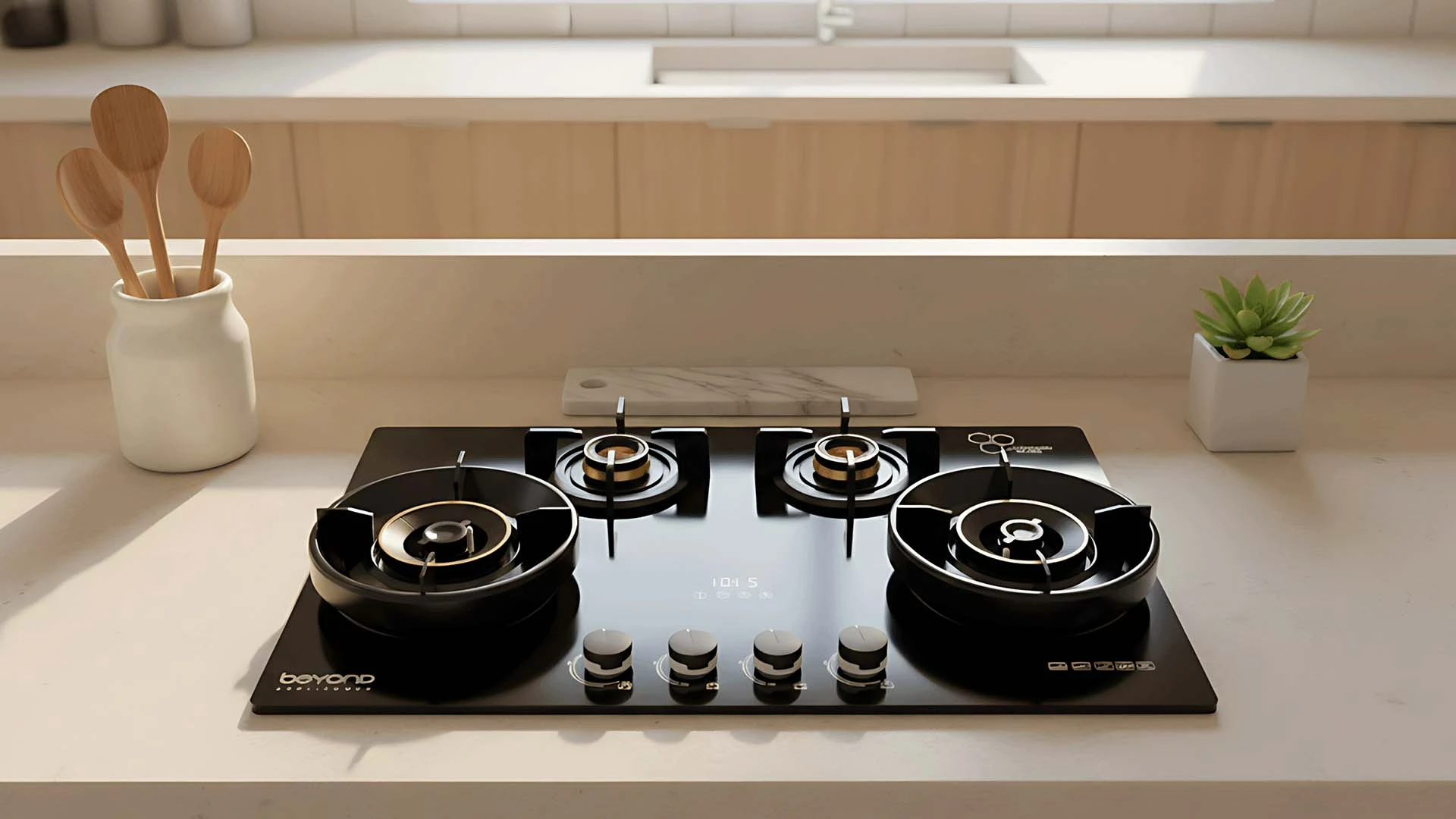
Indian kitchens are the heart of our homes, filled with aromatic spices, sizzling oils, and the warmth of family meals. However, the traditional cooking methods that create our beloved dishes also generate significant kitchen fumes that can impact your family's health. From high-temperature tadka to deep-frying techniques, Indian cooking produces more indoor air pollution cooking than many other cuisines. Understanding how to manage these fumes is essential for maintaining a healthy home environment while preserving the authentic flavors we love.
Indian cooking creates unique challenges for kitchen air quality due to our traditional preparation methods. The combination of high-heat cooking, aromatic spices, and oil-based preparations generates complex pollutants that can accumulate in your home. These cooking fumes contain harmful particles that affect both immediate comfort and long-term health. The effects of cooking fumes extend beyond simple odors. They include respiratory irritation, cardiovascular stress, and potential long-term health complications from prolonged exposure.
Indian cooking involves several unique practices that increase fume production. High-temperature techniques like tadka (tempering) create intense heat that releases oil vapors and spice particles into the air. Deep frying methods, essential for dishes like puris and pakoras, generate substantial amounts of oil smoke and grease particles. The heavy use of oils and ghee at elevated temperatures produces volatile organic compounds. Extended cooking times for complex curries and biryanis mean prolonged exposure to these pollutants.
Volatile Organic Compounds (VOCs) form the primary concern in Indian kitchens. These include carbon monoxide from incomplete combustion, nitrogen oxides from gas burners, and formaldehyde from heated oils. Particulate Matter (PM2.5 and PM10) results from oil heating, spice grinding, and combustion processes. Cooking smoke contains fine particles that penetrate deep into lungs. Grease particles settle on surfaces and can recirculate through air currents, creating persistent indian cooking pollution.
Regular exposure to kitchen fumes can cause immediate symptoms like eye irritation, headaches, and respiratory discomfort. Long-term exposure increases risks of cardiovascular problems and chronic respiratory conditions. Children and elderly family members face higher vulnerability to these pollutants. Pregnant women should take extra precautions to minimize exposure during cooking activities.
Proper kitchen ventilation forms the foundation of fume management in Indian kitchens. A well-designed ventilation system removes pollutants at their source, preventing accumulation and circulation throughout your home. The key lies in selecting equipment that matches the intensity of Indian cooking methods. Modern chimney systems offer powerful suction capabilities specifically designed for heavy cooking applications. These systems work by creating negative pressure that draws fumes away from cooking surfaces before they can spread.
Indian kitchens require chimneys with 600-900 CFM (Cubic Feet per Minute) capacity to handle heavy cooking loads effectively. Higher CFM ratings ensure adequate suction power for oil vapor removal and spice particle capture. Baffle filters work best for Indian cooking as they separate grease particles efficiently. These filters handle high-volume cooking better than cassette filters and require less frequent replacement.
Position your chimney 24-30 inches above the cooktop for optimal performance. This height ensures effective capture while preventing interference with cooking activities. Proper ducting installation maximizes efficiency by providing clear pathways for fume removal. Regular maintenance schedules keep systems operating at peak performance. Clean filters monthly and inspect ducting quarterly for optimal results.
Exhaust fans provide budget-friendly options for smaller kitchens or rental properties. Install these fans near cooking areas with adequate CFM ratings for your kitchen size. Cross-ventilation using strategically opened windows and doors creates natural airflow patterns. Combine multiple approaches for maximum effectiveness in challenging kitchen layouts.
Modifying cooking techniques significantly reduces fume generation without compromising flavor. Smart temperature control and ingredient management minimize pollutant production while maintaining authentic tastes. These adjustments require minimal effort but deliver substantial improvements in kitchen air quality. Proper technique optimization focuses on preventing oil smoking, controlling spice burning, and managing heat distribution effectively.
Use medium heat settings whenever possible to prevent oil smoking and reduce particle generation. Allow pans to heat gradually rather than using maximum flame settings immediately. Steam cooking and pressure cooking alternatives reduce oil requirements while maintaining nutritional value. These methods generate minimal fumes compared to traditional frying techniques.
Select oils with higher smoke points like refined sunflower or rice bran oil for high-temperature cooking. These oils withstand heat better without producing harmful smoke. Measure oil quantities carefully to avoid excess that leads to smoking and waste. Reuse oil safely by filtering and storing properly between uses.
Dry roast spices at lower temperatures to minimize smoke production while preserving flavors. Use spice pastes instead of whole spices when possible to reduce burning risks. Time spice additions carefully to prevent burning and excessive smoke generation during cooking processes.
Cookware selection plays a crucial role in fume reduction and healthy kitchen air maintenance. The right materials distribute heat evenly, preventing hot spots that cause oil smoking and food burning. Quality cookware also requires less oil, reducing overall fume production during cooking. Proper cookware maintenance ensures consistent performance and longevity while supporting fume reduction efforts.
Stainless steel cookware provides non-reactive surfaces that distribute heat evenly, preventing hot spots that cause smoking. These materials maintain consistent temperatures without releasing harmful particles. Cast iron offers superior heat retention and distribution, reducing the need for high flame settings. Well-seasoned cast iron requires minimal oil for cooking.
Season cast iron cookware properly to create natural non-stick surfaces that require less oil. Clean non-stick coatings gently to preserve their effectiveness and prevent particle release. Replace worn cookware promptly when surfaces become damaged or ineffective at heat distribution.
Match pan sizes to burner sizes for efficient heat distribution and reduced energy waste. Heavy-bottomed pans provide even heating that prevents oil smoking. Use lids appropriately to control steam and reduce splatter that contributes to airborne particles.
Natural air purification methods complement mechanical ventilation systems to create comprehensive fume management. These eco-friendly approaches reduce kitchen fumes while adding aesthetic value to your kitchen space. Plants, natural absorbents, and essential oils provide chemical-free alternatives to commercial air fresheners. Natural methods work continuously to improve air quality without adding harmful chemicals to your kitchen environment.
Spider plants and peace lilies effectively filter common kitchen pollutants from the air. These plants thrive in kitchen environments and require minimal maintenance. Herb gardens near cooking areas provide fresh ingredients while naturally freshening air through their aromatic properties.
Activated charcoal placed strategically around the kitchen absorbs odors and pollutants effectively. Replace charcoal regularly for continued effectiveness. Baking soda solutions neutralize acidic odors naturally. White vinegar steam treatments eliminate persistent cooking smells without harsh chemicals.
Use kitchen-safe essential oils like lemon, peppermint, or eucalyptus for natural air freshening. Create DIY air freshener recipes using water and essential oil combinations. Avoid synthetic air fresheners that add harmful chemicals to your kitchen air.
Strategic air circulation removes fumes efficiently while maintaining comfortable kitchen temperatures. Proper airflow patterns direct pollutants away from living areas and toward exhaust points. Understanding natural air movement helps optimize ventilation without relying solely on mechanical systems. Effective circulation requires coordinated use of multiple ventilation methods working together.
Position windows and doors to create clear airflow paths from cooking areas to outside spaces. Open windows on opposite sides of the kitchen to establish cross-currents that carry fumes away. Time ventilation activities with cooking schedules for maximum effectiveness during peak fume production periods.
Set ceiling fans to pull air upward during cooking to remove rising fumes and heat. Avoid downward fan direction that spreads fumes throughout the kitchen. Combine ceiling fans with exhaust systems for enhanced fume removal capabilities.
During monsoon seasons, use mechanical ventilation when natural airflow is limited. In winter, balance ventilation needs with heat conservation requirements. Summer ventilation strategies should maximize cooling while maintaining effective fume removal.
Regular cleaning prevents fume buildup and maintains optimal air quality in your kitchen. Clean surfaces don't harbor grease particles that can become airborne during cooking. Proper maintenance of ventilation equipment ensures consistent performance and longevity. Establishing cleaning routines makes maintenance manageable while protecting your family's health.
Clean cooking surfaces immediately after use to prevent grease accumulation. Wipe down appliances and nearby surfaces to remove oil residue that can become airborne. Use eco-friendly, non-toxic cleaners that don't add harmful chemicals to your kitchen environment.
Clean chimney filters weekly during heavy cooking periods to maintain suction efficiency. Perform monthly exhaust fan maintenance including blade cleaning and motor inspection. Quarterly deep cleaning should include all surfaces, appliances, and ventilation equipment for comprehensive maintenance.
Fix leaky faucets and pipes promptly to prevent moisture buildup that can harbor bacteria and mold. Dry surfaces thoroughly after cleaning to prevent humidity-related air quality problems. Control kitchen humidity levels to prevent condensation that can trap pollutants.
Continuous monitoring helps maintain optimal air quality and identifies problems before they become serious health concerns. Simple monitoring tools provide valuable feedback on the effectiveness of your fume reduction efforts. Long-term strategies protect your family's health while preserving cooking traditions. Regular assessment allows for adjustments and improvements to your air quality management system.
Affordable air quality meters measure PM2.5, VOCs, and humidity levels in real-time. Monitor these indicators regularly to understand your kitchen's air quality patterns. Establish baseline measurements and track improvements over time as you implement fume reduction strategies.
Develop cooking schedules that minimize family exposure during peak fume production periods. Establish safety protocols for heavy cooking sessions including increased ventilation and limited kitchen access. Prepare emergency ventilation procedures for situations involving excessive smoke or fume production.
Schedule regular health check-ups to monitor respiratory health for all family members. Learn to recognize early warning signs of air quality issues including persistent coughing or eye irritation. Build sustainable habits that protect health while maintaining authentic cooking traditions.
Indian kitchen fumes significantly impact indoor air quality by releasing VOCs, particulate matter, and grease particles. High-temperature cooking methods and oil usage create more pollutants than other cooking styles, leading to respiratory irritation and long-term health concerns.
Installing a high-CFM chimney (600-900 CFM) combined with proper cross-ventilation provides the most effective fume reduction. Regular maintenance of equipment and optimized cooking techniques further enhance effectiveness.
Natural methods like indoor plants, activated charcoal, and proper ventilation significantly improve air quality when used consistently. However, they work best when combined with mechanical ventilation systems for comprehensive protection.
Clean chimney filters weekly during heavy cooking periods and monthly during normal use. Exhaust fans require monthly cleaning, while complete system maintenance should occur quarterly for optimal performance.
Combating indian cooking pollution requires a comprehensive approach that combines proper ventilation, smart cooking techniques, and regular maintenance. These seven essential steps provide a roadmap for creating healthy kitchen air while preserving the authentic flavors of Indian cuisine. Start with installing adequate ventilation systems and gradually implement other strategies for maximum effectiveness. Remember that protecting your family's health doesn't mean sacrificing traditional cooking methods. With proper planning and consistent implementation of these strategies, you can enjoy delicious Indian meals while maintaining excellent kitchen air quality. The investment in better ventilation and air quality management pays dividends in improved health and comfort for your entire family.
