

7 Essential Chimney Safety Tips for Homeowners
A well-maintained chimney is more than just a functional home feature—it's a critical safety component that protects your family from fire hazards and carbon monoxide poisoning. Every year, thousands of house fires originate from poorly maintained chimneys, causing devastating property damage and tragic loss of life. The good news is that most chimney-related accidents are entirely preventable with proper knowledge and regular maintenance. Whether you have a traditional wood-burning fireplace or a modern gas unit, understanding essential chimney safety tips can make the difference between a cozy evening by the fire and a dangerous emergency. These seven comprehensive safety guidelines will help you maintain a safe, efficient chimney system while protecting your home and loved ones from preventable hazards.
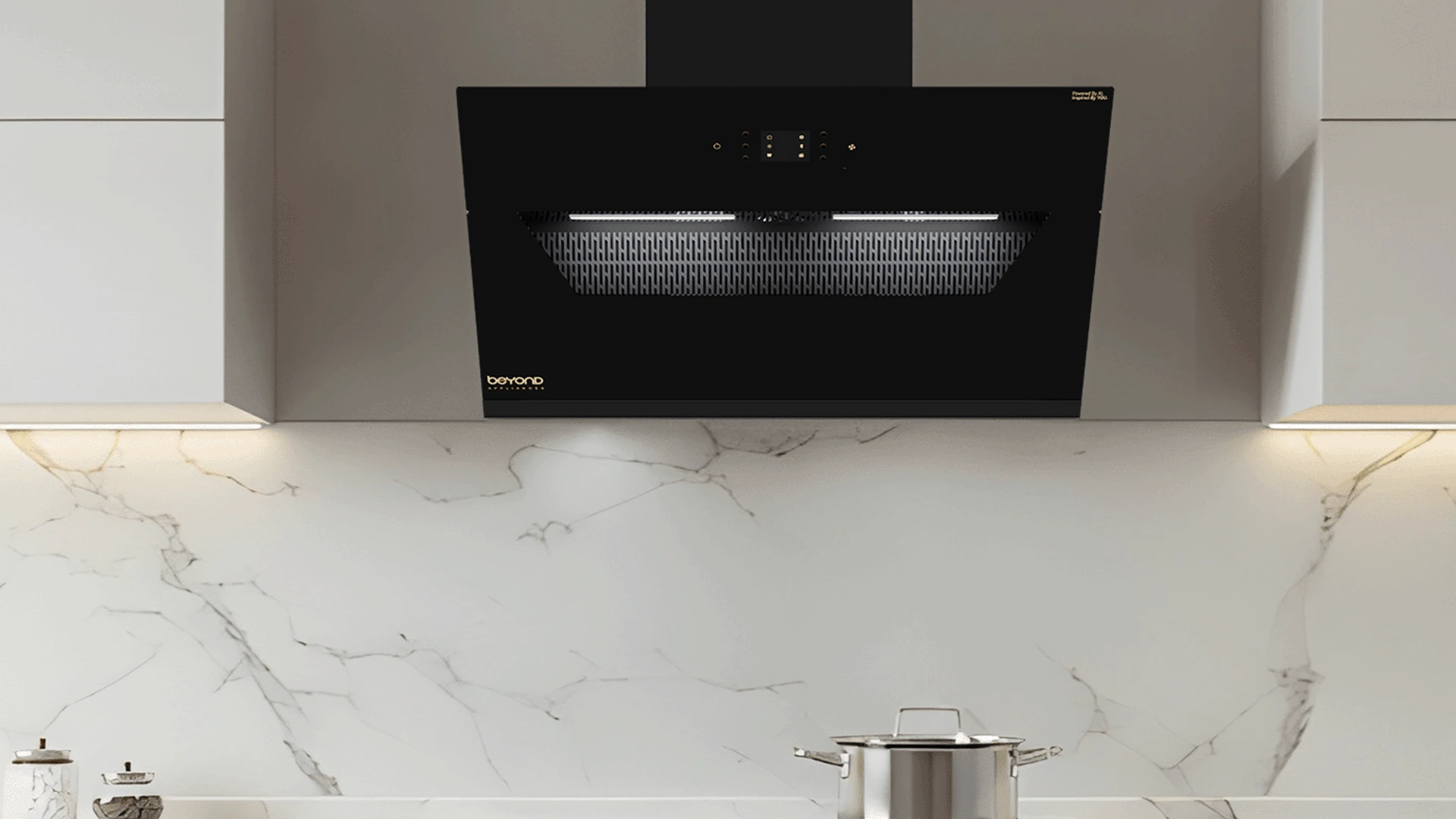
Chimney-related incidents account for approximately 25,000 house fires annually, resulting in billions in property damage and numerous fatalities. The primary culprits include creosote buildup, structural damage, and improper ventilation that leads to carbon monoxide accumulation. Beyond the immediate fire risk, faulty chimneys pose a silent threat through carbon monoxide poisoning, which can be fatal without proper detection systems. The financial impact of prevention versus repair tells a compelling story. Regular maintenance costs typically range from INR 5,000 to INR 15,000 annually, while chimney fire damage can exceed INR 10 lakhs in repairs and insurance claims. Modern kitchen chimneys, like the innovative Android Chimney Eris with its 1500 CMH suction power, incorporate advanced safety features including auto turn-off functions and dry heat auto-clean technology that significantly reduce maintenance risks. Homeowners also face legal liability considerations when chimney negligence leads to property damage affecting neighbors or rental properties. Insurance companies increasingly scrutinize chimney maintenance records when processing fire-related claims, making documentation of regular inspections and cleaning essential for coverage protection.
Professional chimney inspection forms the foundation of any effective safety program. Certified inspectors follow strict guidelines to evaluate structural integrity, identify blockages, and assess liner conditions that could compromise safety. The inspection process varies in complexity, with Level 1 inspections covering basic visual assessments, Level 2 inspections including internal examinations, and Level 3 inspections involving detailed structural analysis. During a comprehensive inspection, professionals examine the chimney crown, flashing, damper operation, and smoke chamber for signs of deterioration or damage. They also check for animal nests, debris accumulation, and proper clearances from combustible materials. Modern chimney systems benefit from advanced inspection techniques including video scanning and thermal imaging to detect hidden problems.
Certified inspectors systematically evaluate multiple components during their assessment. They examine the exterior chimney structure for cracks, loose mortar, or damaged bricks that could allow water infiltration. Interior components receive equal attention, including flue liner condition, damper functionality, and proper ventilation pathways.
Certain findings during inspection demand immediate professional intervention. White staining on exterior chimney walls indicates water damage, while rust on dampers or firebox components suggests moisture problems. Any signs of structural movement or separation require urgent repair to prevent collapse or fire hazards.
Chimney cleaning removes dangerous creosote deposits and debris that accumulate during normal use. The frequency of cleaning depends on usage patterns, fuel type, and burning practices. Wood-burning systems typically require annual cleaning, while gas appliances may need less frequent attention. However, all systems benefit from regular maintenance regardless of fuel source. Professional cleaning services use specialized equipment including rotary cleaning systems, industrial vacuums, and safety gear to thoroughly remove deposits without damaging chimney components. The process involves sealing the fireplace opening, inserting cleaning tools from the roof, and systematically scrubbing the entire flue length. Modern kitchen chimneys with filterless designs, like those featuring dry heat auto-clean technology, simplify maintenance by automatically melting accumulated oil and particles.
While basic maintenance tasks can be performed by homeowners, comprehensive cleaning requires professional expertise and equipment. DIY efforts should focus on external inspections, debris removal from chimney caps, and basic fireplace cleaning between professional services.
Proper safety equipment is crucial for any chimney maintenance work. This includes sturdy ladders, safety harnesses, protective clothing, and appropriate tools for specific chimney types. Never attempt roof work during adverse weather conditions or without proper safety measures.
Creosote removal represents one of the most critical aspects of chimney safety. Creosote forms when wood smoke condenses on cool chimney surfaces, creating a highly flammable substance that can ignite and cause devastating chimney fires. Understanding the three stages of creosote accumulation helps homeowners recognize when professional intervention becomes necessary. First-stage creosote appears as a flaky, sooty deposit that can be removed with standard cleaning techniques. Second-stage creosote becomes tar-like and more difficult to remove, requiring specialized tools and techniques. Third-stage creosote hardens into a glazed coating that often necessitates professional removal or even flue liner replacement.
Proper burning techniques significantly reduce creosote formation. Use only seasoned hardwood with moisture content below 20 percent. Maintain hot, fast-burning fires rather than slow, smoldering ones. Ensure adequate air supply for complete combustion and avoid burning materials other than approved fuels.
Professional creosote removal employs various methods depending on deposit severity. Rotary cleaning systems effectively remove first and second-stage deposits, while chemical treatments may help soften stubborn accumulations. Severe cases might require flue liner replacement or specialized removal techniques.
Proper safety equipment installation provides early warning of potential hazards and helps prevent accidents. Smoke detectors should be installed on every level of the home, with special attention to areas near fireplaces and heating appliances. Carbon monoxide detectors are equally important, as faulty chimneys can allow deadly gases to enter living spaces. Chimney caps and spark arrestors prevent debris entry and reduce fire risk from escaping embers. These devices also keep animals and birds from nesting in chimney systems. Fireplace screens and glass doors provide additional protection by containing sparks and reducing heat transfer to surrounding materials.
Modern safety systems can integrate with smart home technology for enhanced monitoring and control. Advanced kitchen chimneys now feature touchscreen controls and automated safety functions that provide real-time monitoring of system performance and safety status.
Regular testing and maintenance of safety equipment ensures reliable operation when needed. Test smoke and carbon monoxide detectors monthly, replace batteries annually, and inspect chimney caps and screens for damage or blockages.
Wood stove safety begins with proper fuel selection and burning techniques. Seasoned hardwood burns cleaner and produces less creosote than green or softwood alternatives. Proper seasoning requires at least six months of drying time, with moisture content below 20 percent for optimal safety and efficiency. Never burn treated lumber, painted wood, or household trash in fireplaces or wood stoves. These materials release toxic chemicals and can damage chimney components. Proper ash disposal involves using metal containers with tight-fitting lids, storing ashes away from combustible materials, and allowing complete cooling before disposal.
Safe fire-building starts with proper preparation and materials. Use newspaper or natural fire starters, arrange kindling in a pyramid structure, and gradually add larger pieces as the fire establishes. Maintain adequate airflow and never leave fires unattended.
Every household should have clear procedures for handling fire prevention emergencies. Keep fire extinguishers nearby, know how to operate dampers and air controls, and have evacuation plans in place. Never use water on chimney fires, as this can cause dangerous steam explosions.
Early recognition of chimney problems prevents minor issues from becoming major safety hazards. Visual indicators include white staining on exterior walls, rust on dampers or fireboxes, and damaged mortar joints. Unusual odors, particularly musty or acrid smells, often indicate moisture problems or creosote accumulation. Performance issues such as poor draft, smoke entering the room, or difficulty starting fires suggest ventilation problems that require professional attention. Animals or birds in the chimney create blockages and fire hazards that need immediate resolution.
Regular homeowner inspections help identify problems early. Check exterior chimney condition, inspect fireplace components, and test damper operation before each heating season. Document findings and schedule professional services as needed.
Certain situations require immediate professional intervention. These include any structural damage, water leaks, animal infestations, or performance problems that affect safety. Never delay addressing safety concerns, as minor problems can quickly escalate into dangerous situations.
Hearth safety extends beyond chimney maintenance to include comprehensive family safety planning. Develop emergency procedures for chimney fires, including evacuation routes and communication plans. Ensure all family members understand proper fireplace operation and safety protocols. Child and pet safety requires special attention around fireplaces and heating appliances. Install safety gates, teach children about fire dangers, and maintain proper clearances from combustible materials. Modern kitchen chimneys with features like auto turn-off functions and touch panel controls provide additional safety through automated operation and reduced manual intervention.
Maintain detailed records of all chimney maintenance, inspections, and repairs. This documentation proves valuable for insurance claims and helps track system condition over time. Review insurance policies to understand coverage limitations and requirements for chimney-related incidents.
Proper seasonal preparation ensures safe operation throughout the year. Before heating season, complete professional inspections and cleaning, test safety equipment, and stock appropriate fuels. At season's end, clean fireboxes, close dampers, and install chimney caps if removed for cleaning.
Annual inspections are recommended for all chimney systems, regardless of fuel type or usage frequency. Heavy users may require more frequent inspections, while occasional users still benefit from yearly professional assessment to ensure safety and proper operation.
Carbon monoxide poisoning symptoms include headaches, dizziness, nausea, confusion, and fatigue. Severe exposure can cause unconsciousness and death. Install carbon monoxide detectors and seek immediate medical attention if poisoning is suspected.
While basic maintenance can be performed by homeowners, comprehensive cleaning requires professional expertise and specialized equipment. DIY efforts should focus on external inspections and basic fireplace maintenance between professional services.
Professional chimney cleaning typically costs between INR 8,000 to INR 15,000, depending on system complexity and regional pricing. This investment provides significant value compared to potential fire damage costs and insurance complications.
Seasoned hardwoods like oak, maple, and ash burn cleanest and produce minimal creosote. Avoid softwoods, treated lumber, and any materials other than natural wood to maintain safety and prevent chimney damage.
Signs of creosote buildup include strong odors, white staining on exterior walls, rust on dampers, and poor draft performance. Professional inspection provides definitive assessment of creosote levels and removal needs.
Implementing these seven essential chimney safety tips creates a comprehensive protection strategy for your home and family. Regular professional inspections and cleaning form the foundation of safe operation, while proper burning practices and safety equipment provide ongoing protection. Modern chimney systems with advanced features like the Android Chimney Eris offer enhanced safety through automated cleaning and monitoring capabilities. Remember that chimney safety is an ongoing responsibility that requires consistent attention and professional support. The small investment in regular maintenance and safety equipment pays significant dividends in protecting your most valuable assets—your home and family. Start implementing these safety measures today to ensure years of safe, enjoyable fireplace use.
