
7 Essential Chimney Installation Best Practices
Cart
Your cart is empty
Installing a chimney requires careful planning and attention to detail. Whether you're adding a fireplace to your living room or upgrading your kitchen ventilation system, following proper chimney installation best practices ensures safety, efficiency, and long-term performance. Poor installation can lead to dangerous situations, costly repairs, and reduced appliance performance. Understanding these essential practices helps homeowners make informed decisions and ensures their ventilation systems work effectively for years to come.
Proper chimney installation involves more than just connecting a pipe to your roof. It requires understanding different chimney systems and their specific requirements. Modern homes use various types including masonry chimneys, prefabricated metal chimneys, and specialized kitchen ventilation systems.
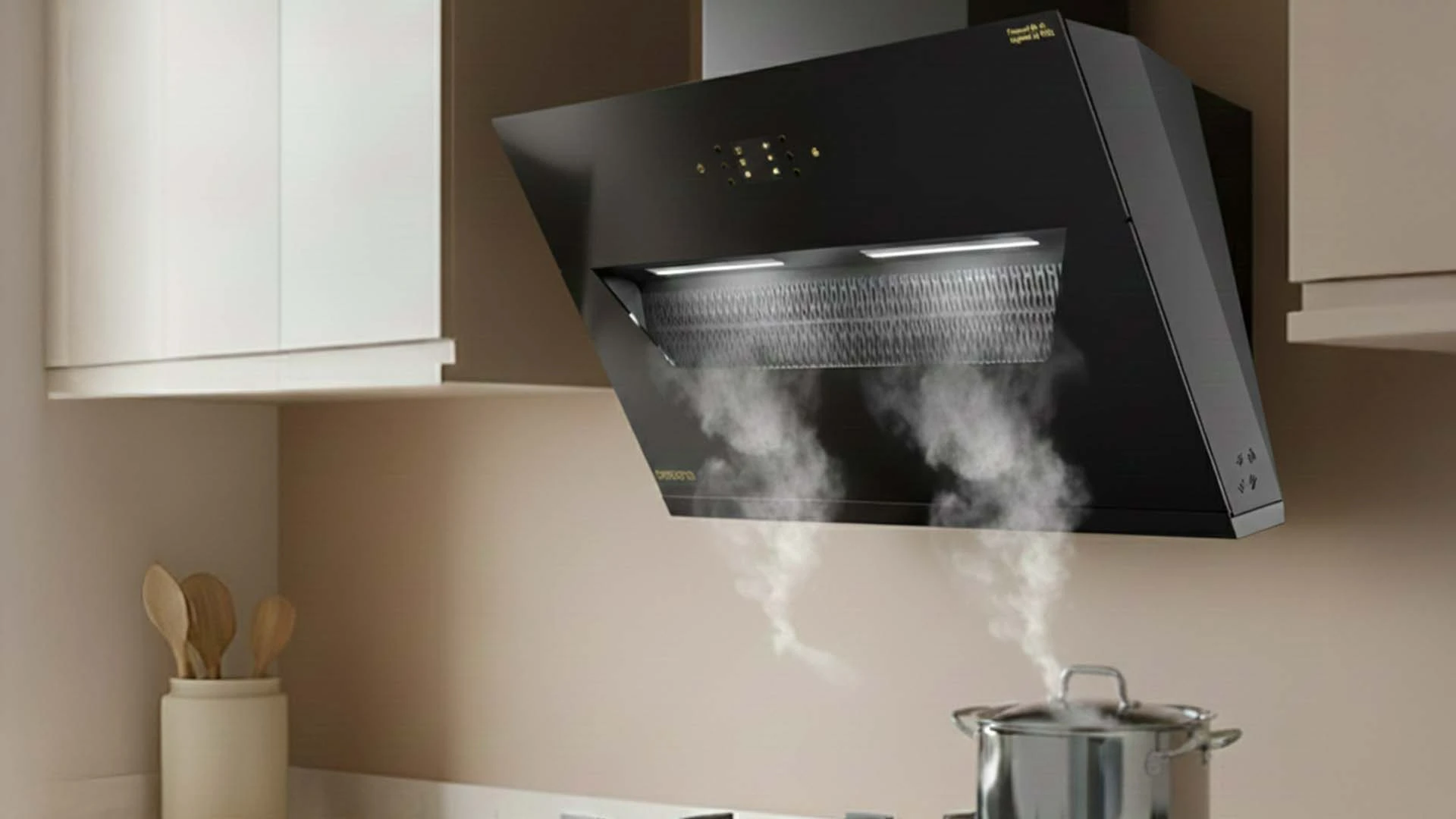
Masonry chimneys use brick or stone construction and work well for traditional fireplaces. Prefabricated metal chimneys offer easier installation and work perfectly for wood stove installation. Kitchen ventilation chimneys, like the Android Chimney Asteria with its powerful 1408 CMH suction, require specific considerations for Indian cooking needs.
Every chimney system includes essential parts: the flue liner, damper, crown, cap, and proper structural support. The flue liner protects the chimney structure and improves draft. The damper controls airflow when the fireplace isn't in use. The crown and cap prevent water damage and keep animals out.
Chimney safety starts with following established codes and standards. The National Fire Protection Association sets guidelines that most local building codes adopt. These standards protect your home and family from fire hazards and carbon monoxide poisoning.
Proper clearances from combustible materials prevent fires. Most codes require at least 2 inches of clearance between the chimney and any wood framing. Kitchen ventilation systems need specific clearances based on their heat output and design.
Most chimney installations require building permits and inspections. Professional installers handle permit applications and ensure work meets local codes. Inspections typically occur during installation and after completion to verify safety compliance.
Correct chimney venting ensures efficient operation and prevents dangerous backdrafts. The chimney must create enough draft to pull smoke and gases safely outside. Poor venting leads to smoke entering your home and reduced appliance efficiency.
Chimney size depends on your heating appliance's output. Wood stoves require specific flue sizes based on their BTU rating. Kitchen chimneys need adequate capacity for cooking demands - the Android Chimney Asteria's filterless design and powerful suction handle heavy Indian cooking efficiently.
The 3-2-10 rule governs chimney height: chimneys must extend at least 3 feet above the roof penetration and 2 feet higher than any structure within 10 feet. This ensures proper draft and prevents downdrafts from nearby obstacles.
Successful chimney installation follows a systematic approach. Each step builds on the previous one, creating a safe and efficient ventilation system. Skipping steps or cutting corners compromises safety and performance.
Masonry chimneys require proper foundations that extend below the frost line. The foundation must support the chimney's weight without settling. Prefabricated chimneys need adequate structural support through proper framing and bracing.
Flue liners protect the chimney structure and improve performance. Stainless steel liners work well for most applications. Clay tile liners suit masonry chimneys. Proper liner sizing and connection prevent dangerous gas leaks.
Water damage destroys chimneys faster than fire. Proper flashing around the roof penetration prevents leaks. The chimney crown sheds water away from the flue. Quality caps keep rain out while allowing proper ventilation.
Testing verifies your chimney works safely and efficiently. Professional installers perform smoke tests to check for leaks and proper draft. These tests identify problems before you use the system.
New chimneys need thorough inspection before first use. Construction debris must be removed from the flue. All connections require checking for proper fit and sealing. The Android Chimney Asteria's dry heat auto clean feature simplifies ongoing maintenance by melting oil and particles for easy collection.
Regular chimney maintenance prevents costly repairs and safety hazards. Annual inspections catch problems early. Cleaning frequency depends on usage - wood-burning appliances need more frequent cleaning than gas appliances. Kitchen ventilation systems require regular cleaning to maintain efficiency.
Many chimney problems stem from installation errors. Understanding common mistakes helps you avoid them or recognize when professional help is needed. These errors often create safety hazards or expensive repair needs.
Insufficient structural support causes chimney settling and damage. Heavy masonry chimneys need proper foundations. Metal chimneys require adequate bracing through the roof structure. Poor support leads to dangerous structural problems.
Wrong chimney sizing reduces efficiency and creates safety hazards. Oversized chimneys don't draft properly. Undersized chimneys can't handle the appliance output. Inadequate clearances create fire risks that violate safety codes.
Water damage costs thousands in repairs. Improper flashing allows leaks that damage walls and ceilings. Missing or damaged chimney caps let water enter the flue. Quality waterproofing protects your investment.
Most chimney installations take 1-3 days depending on complexity. Simple prefabricated installations finish faster than custom masonry work. Weather conditions and permit approvals can affect timing.
Most areas require building permits for new chimney installation. Some locations need separate electrical permits for powered components. Your installer typically handles permit applications and inspections.
While possible, professional installation ensures safety and code compliance. DIY installation risks safety violations and insurance issues. Professional installers provide warranties and handle inspections.
Most codes require 2 inches minimum clearance from combustible materials. Specific clearances vary by chimney type and local codes. Kitchen ventilation systems have different clearance requirements than heating appliances.
Repair fixes specific problems like damaged flashing or cracked liners. Replacement involves installing a completely new chimney system. Age, damage extent, and safety concerns determine which option is appropriate.
Annual inspections are recommended for all chimney systems. Heavy use requires more frequent cleaning. The Android Chimney Asteria's auto-clean feature reduces maintenance frequency while maintaining optimal performance.
Proper chimney installation protects your home and family while ensuring efficient operation. Following established codes and safety practices prevents dangerous situations and costly repairs. Professional installation provides expertise, warranties, and peace of mind. Regular maintenance keeps your chimney system working safely for years. Whether installing a traditional fireplace or modern kitchen ventilation like the Android Chimney Asteria, these best practices ensure optimal performance and safety.
