

7 Best Chimneys for Heavy Frying & Clean Air
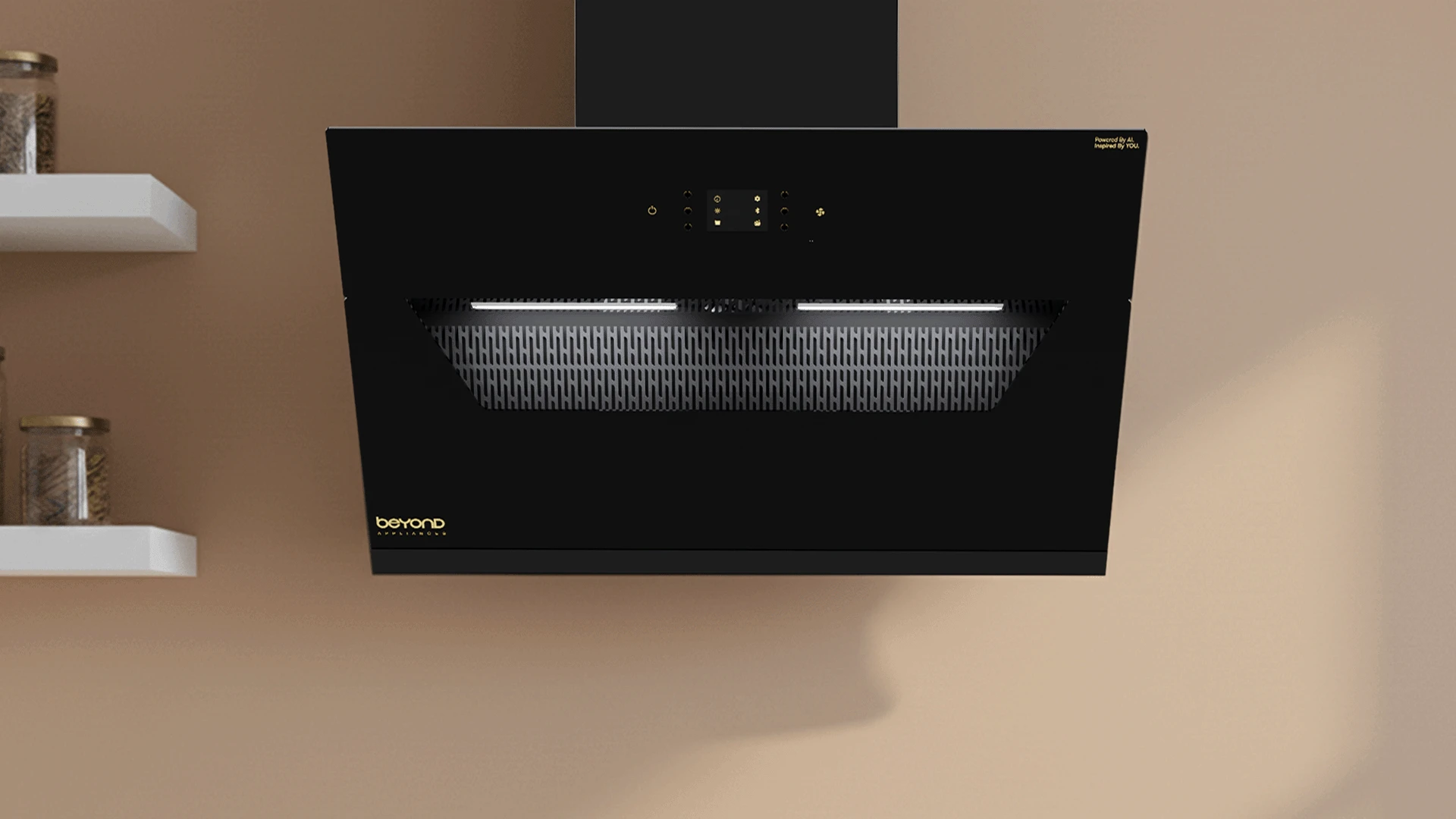
Heavy frying creates more than just delicious food—it fills your kitchen with grease particles, smoke, and stubborn odors that can affect your home's indoor air quality. Whether you're preparing crispy pakoras, golden samosas, or sizzling stir-fries, the right chimney for heavy frying becomes essential for maintaining a clean, healthy cooking environment. Poor kitchen ventilation during intense cooking sessions can lead to grease buildup on walls, lingering cooking odors, and even respiratory discomfort for your family. The solution lies in choosing a powerful range hood specifically designed to handle the demands of oil-heavy Indian cooking.
Heavy frying generates significantly more frying fumes and grease particles compared to regular cooking methods. When oil reaches high temperatures, it releases microscopic particles that can settle on surfaces throughout your kitchen and beyond. These particles don't just create cleaning challenges—they can also impact your family's health over time. Poor ventilation system performance during heavy cooking leads to several costly problems. Grease accumulation on kitchen cabinets requires frequent deep cleaning and can cause permanent staining. Wall paint may yellow or develop sticky residues that are difficult to remove. Without proper grease removal, these particles can even travel to other rooms, affecting your home's overall air quality.
Cooking without proper ventilation exposes your family to harmful compounds released during high-temperature frying. These include aldehydes and other volatile organic compounds that can irritate respiratory systems. Children and elderly family members are particularly sensitive to these airborne pollutants.
Inadequate exhaust fan performance leads to expensive maintenance issues. Kitchen surfaces require more frequent cleaning, paint jobs need renewal sooner, and appliances may develop grease buildup that affects their performance. Investing in a quality chimney prevents these long-term costs.
Selecting the right chimney for heavy frying requires understanding which models deliver superior performance in high-grease cooking environments. These seven options excel in suction power, grease removal efficiency, and durability for frequent heavy cooking.
Baffle filter chimneys with 1200+ m³/hr suction capacity handle heavy frying most effectively. These models use multiple curved plates that create turbulence, separating grease particles from air more efficiently than traditional filters. The stainless steel construction resists corrosion from cooking vapors.
Auto-clean chimneys reduce maintenance burden for busy kitchens. These models heat the collected grease until it liquefies and drains into a collection cup. This feature proves invaluable for households that fry food frequently, as manual cleaning becomes less frequent and thorough.
Curved chimneys combine aesthetic appeal with functional performance. The curved design improves airflow patterns, creating better suction coverage across your cooktop. These models work particularly well in open kitchen layouts where the chimney serves as a design element.
T-shaped chimneys offer maximum coverage for large cooktops. Their wide capture area ensures effective fume collection even when using multiple burners simultaneously. These models excel in kitchens where heavy frying occurs across different cooking zones.
Slant or inclined chimneys provide excellent access to rear burners while maintaining strong suction. The angled design prevents head bumping during cooking while ensuring effective capture of frying fumes from all cooktop areas.
Ductless chimneys work well in apartments or homes where external ducting isn't possible. These models use multiple filtration stages, including charcoal filters that neutralize odors. While requiring more frequent filter replacement, they provide flexibility in installation.
Smart chimneys offer touch controls, LED lighting, and automatic speed adjustment based on cooking intensity. Some models include heat sensors that increase suction when temperatures rise, providing hands-free operation during heavy frying sessions.
Effective kitchen ventilation for heavy frying requires specific technical features that ensure optimal performance. Understanding these specifications helps you choose a chimney that handles your cooking style effectively. Suction power represents the most critical specification for heavy frying applications. Models with 1000+ m³/hr capacity provide adequate airflow for most Indian cooking needs. However, larger kitchens or frequent heavy cooking may require 1200+ m³/hr for optimal results.
Baffle filters outperform cassette filters in heavy frying scenarios. The curved metal plates create turbulence that separates grease more effectively. Cassette filters may clog quickly with oil particles, reducing suction efficiency over time.
Powerful motors ensure consistent suction but may generate more noise. Look for models that balance performance with acceptable sound levels, typically under 58 decibels at maximum speed. Variable speed controls allow adjustment based on cooking intensity.
Proper installation maximizes your chimney's effectiveness in handling frying fumes and maintaining good indoor air quality. Professional installation ensures optimal performance and safety compliance. Chimney height affects suction efficiency significantly. Install the unit 24-30 inches above your cooktop for optimal performance. Too low creates interference with cooking, while too high reduces capture effectiveness.
Ducted installations provide superior performance for heavy frying. Ensure ducts run as straight as possible to external walls, minimizing bends that reduce airflow. Use appropriate duct diameter—typically 6 inches for high-suction models.
Clean baffle filters monthly with warm soapy water for optimal grease removal. Replace charcoal filters every 3-6 months in ductless models. Check and clean the motor housing quarterly to prevent grease buildup that affects performance.
Baffle filter chimneys with 1200+ m³/hr suction capacity handle daily heavy frying most effectively. Auto-clean models reduce maintenance burden, while T-shaped designs provide maximum coverage for large cooktops.
Indian cooking typically requires 1000-1200 m³/hr minimum suction capacity. Heavy frying, tandoor-style cooking, or large kitchens may need 1400+ m³/hr for optimal cooking odors removal and air purifier kitchen performance.
Auto-clean technology heats collected grease until it liquefies and drains away. This reduces manual cleaning frequency and ensures consistent suction performance even with regular heavy frying.
Ducted systems perform better for heavy frying as they remove fumes completely from your kitchen. Ductless models work adequately but require frequent filter replacement and may not eliminate all cooking odors.
Choose a chimney width equal to or greater than your cooktop width. 60cm chimneys suit most standard cooktops, while 90cm models provide better coverage for larger cooking surfaces or heavy frying across multiple burners.
Choosing the right chimney for heavy frying significantly improves your kitchen's indoor air quality and cooking experience. Focus on models with adequate suction power, efficient grease removal systems, and features that match your cooking frequency. Baffle filter technology, auto-clean functionality, and proper installation ensure long-term performance in handling the demands of oil-heavy cooking. Remember that investing in quality kitchen ventilation protects both your family's health and your home's cleanliness, making it a worthwhile investment for any household that enjoys regular frying and traditional cooking methods.
