

12 Pro Cooking Techniques for Home Chefs
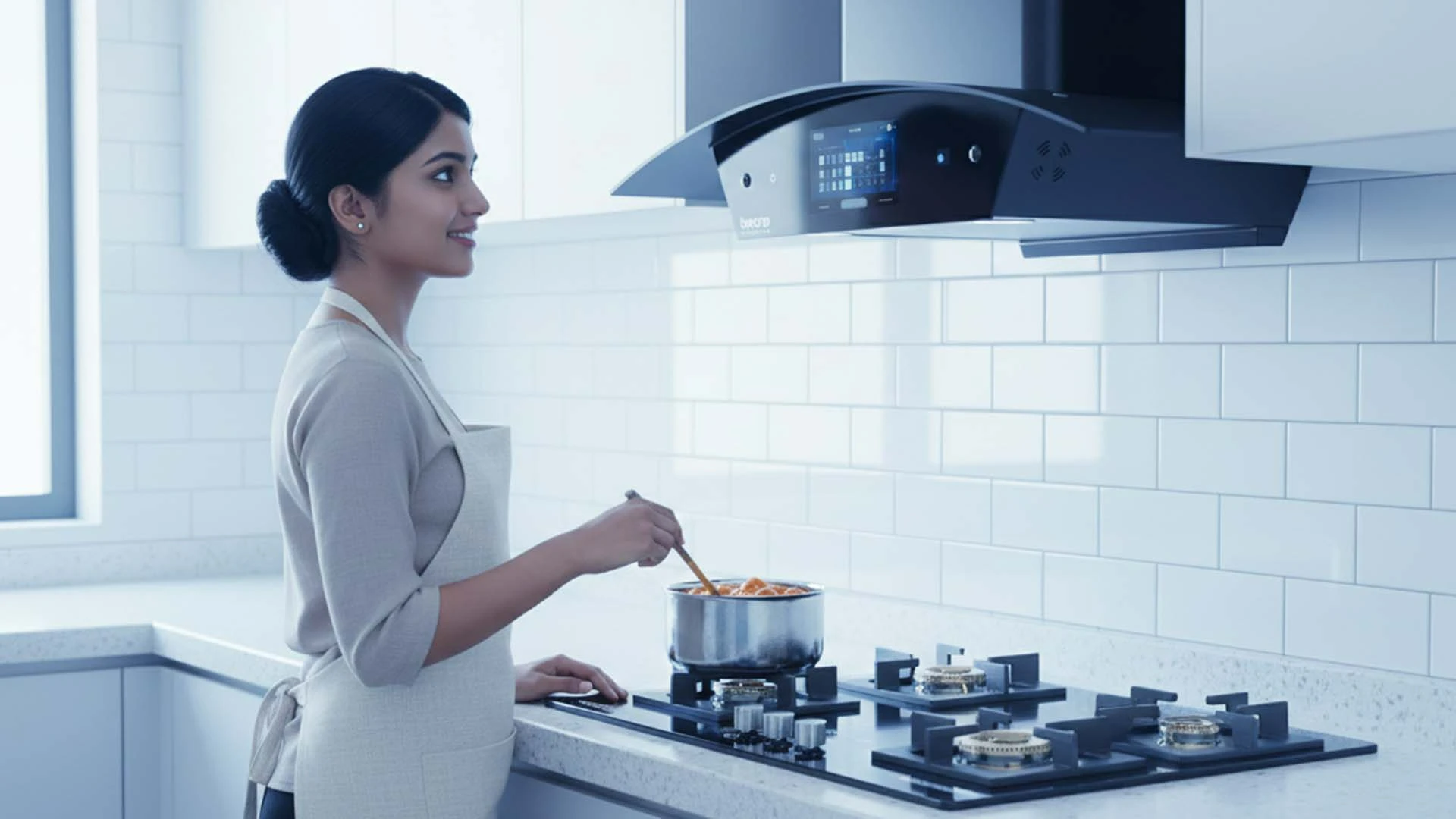
Mastering professional cooking techniques at home transforms ordinary meals into extraordinary culinary experiences. These advanced cooking tips for home chefs bridge the gap between amateur cooking and restaurant-quality results. Whether you're looking to impress guests or simply elevate your daily meals, these twelve proven techniques will revolutionize your approach to home cooking. From precision temperature control to flavor-building methods, each technique builds upon fundamental skills while introducing sophisticated concepts that professional chefs use daily.
Before diving into advanced techniques, establishing strong foundational skills creates the framework for culinary success. Professional chefs rely on systematic approaches that home cooks often overlook, yet these fundamentals make the difference between good and exceptional results. The five P's of professional cooking—Planning, Preparation, Presentation, Passion, and Pride—form the backbone of every successful dish. Planning involves understanding your menu, timing, and ingredient requirements before you begin. Preparation, or mise en place, means having every ingredient measured, chopped, and ready before heat touches the pan. This French term literally translates to "everything in its place" and represents the most crucial cooking skill professionals master.
Mise en place eliminates the chaos that derails many home cooking attempts. Organize ingredients in small bowls, pre-measure spices, and arrange tools within arm's reach. This preparation method reduces stress and ensures consistent timing throughout the cooking process.
Proper knife techniques improve efficiency, safety, and food presentation. Master the basic cuts—julienne, brunoise, and chiffonade—to achieve uniform cooking and professional appearance. Sharp knives require less pressure and provide better control than dull blades.
Heat control separates amateur cooks from skilled chefs. Understanding how different temperatures affect food texture, flavor development, and nutritional content unlocks countless possibilities for creating restaurant-quality dishes at home. The Maillard reaction, occurring between 280-330°F, creates the complex flavors and appealing colors in seared meats, toasted bread, and caramelized vegetables. This chemical process requires proper temperature control and adequate surface contact between food and cooking surface.
Proper searing requires a hot, dry surface and patience. Pat proteins completely dry, season generously, and avoid moving the food until a golden crust forms. This technique locks in moisture while creating complex flavor compounds that enhance the overall dish.
Braising combines dry and moist heat cooking methods to transform tough cuts into tender, flavorful meals. Start with high-heat searing, then add liquid and reduce temperature for long, gentle cooking. This technique works exceptionally well for budget-friendly cuts that become incredibly tender with time.
Cooking in parchment paper creates a sealed environment that steams food in its own juices. This healthy cooking tip preserves nutrients, requires minimal added fats, and infuses ingredients with concentrated flavors. The technique works beautifully for fish, vegetables, and lean proteins.
Precision cooking techniques give home chefs control over texture, doneness, and flavor development that traditional methods cannot match. These methods require attention to detail but deliver consistently exceptional results. Sous vide cooking, while associated with expensive equipment, can be approximated at home using careful temperature monitoring and sealed bags in water baths. This technique allows precise temperature control that ensures perfect doneness throughout the protein.
Traditional confit involves cooking proteins slowly in fat at low temperatures. Home versions can use olive oil or even vacuum-sealed preparations to achieve similar results. This technique produces incredibly tender textures while infusing deep flavors.
Flambéing adds dramatic flair and complex flavors through alcohol ignition. Remove the pan from heat, add room-temperature alcohol, and carefully ignite. The flame burns off harsh alcohol while leaving concentrated flavors behind.
Creating stable emulsions—combining oil and water-based ingredients—requires understanding temperature, timing, and technique. Start with room-temperature ingredients, add oil slowly while whisking vigorously, and maintain consistent motion throughout the process.
The right tools enable proper technique execution and consistent results. Quality equipment doesn't require enormous investment, but understanding when and how to use different tools maximizes their effectiveness. Heavy-duty skillets retain and distribute heat evenly, crucial for proper searing and temperature control. Cast iron and carbon steel pans develop natural non-stick surfaces with proper seasoning and maintenance. These surfaces improve with use and can last generations with proper care.
Instant-read thermometers eliminate guesswork from cooking proteins and ensure food safety. Different cuts require different internal temperatures, and understanding these targets prevents overcooking while ensuring safety.
Invest in tools that serve multiple purposes rather than single-use gadgets. A quality chef's knife, heavy-bottomed pans, and reliable thermometer handle most cooking tasks more effectively than numerous specialized tools.
Healthy cooking doesn't mean bland food. Professional techniques can enhance natural flavors while reducing unnecessary fats, sodium, and processed ingredients. These healthy cooking tips maintain taste while supporting nutritional goals. Oil-free sautéing uses small amounts of water, broth, or wine to prevent sticking while developing flavors. This technique works particularly well for vegetables and aromatics, allowing their natural flavors to concentrate without added fats.
Herb and spice combinations create complex flavor profiles without relying on salt or fat. Toast whole spices before grinding to intensify their flavors. Fresh herbs added at different cooking stages provide varying intensity levels and aromatic qualities.
Quick cooking methods like blanching and steaming preserve both nutrients and vibrant colors. Shock blanched vegetables in ice water to stop cooking and maintain crisp textures. These techniques work excellently with quality kitchen ventilation systems that remove excess steam and odors.
Efficient cooking strategies maximize flavor while minimizing time investment. These easy cooking tips and cooking hacks help busy home chefs maintain quality without spending hours in the kitchen. Batch cooking techniques prepare multiple meals simultaneously, saving time throughout the week. Cook grains, proteins, and vegetables in larger quantities, then combine them differently for varied meals. Proper storage maintains quality and food safety.
One-pan cooking minimizes cleanup while developing complex flavors through ingredient layering. Start with aromatics, add proteins, then vegetables based on cooking times. This technique works particularly well with proper ventilation to manage cooking odors and steam.
Acidic marinades work faster than oil-based versions. Citrus, vinegar, and wine-based marinades penetrate proteins quickly, requiring only 15-30 minutes for significant flavor impact. Score thicker cuts to increase surface area and marinade penetration.
Start with proper searing, basic knife skills, and temperature control. Master mise en place organization and understand the Maillard reaction. These foundational techniques support all advanced methods and improve every dish you prepare.
Focus on technique over equipment. Use heavy-bottomed pans for even heating, invest in a quality knife and thermometer, and practice temperature control with existing cookware. Many professional techniques adapt well to standard home kitchen equipment.
Steaming, blanching, and en papillote methods preserve maximum nutrients while maintaining flavor. Quick cooking times and minimal water contact prevent nutrient loss. Raw preparations and light sautéing also maintain nutritional value.
Consistent results indicate mastery. You should achieve the same texture, flavor, and appearance repeatedly. Understanding why techniques work allows you to adapt them to different ingredients and situations confidently.
Rushing the process and skipping preparation steps. Advanced techniques require patience, proper timing, and careful attention to detail. Attempting shortcuts often results in disappointing outcomes and discouragement.
Mastering these twelve professional cooking techniques transforms home kitchens into spaces where culinary creativity flourishes. Each technique builds upon fundamental skills while introducing sophisticated concepts that elevate everyday cooking. Remember that consistent practice, quality ingredients, and proper equipment—including effective kitchen ventilation—create the foundation for culinary success. Start with one or two techniques, master them completely, then gradually incorporate others into your cooking repertoire. The journey from home cook to skilled chef happens one perfectly executed technique at a time.
