

12 Essential Steps to Achieve Healthy Kitchen Living
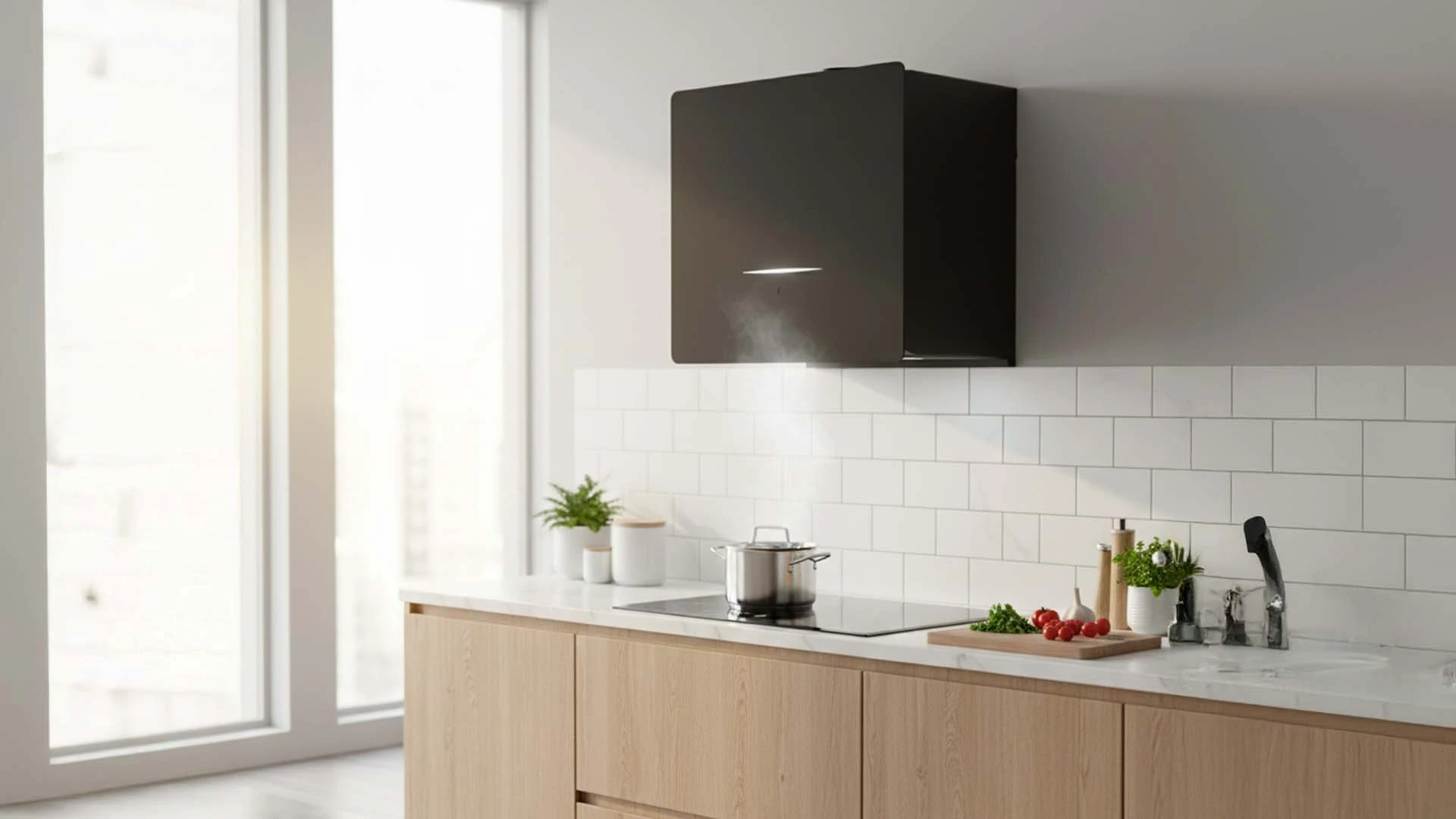
Creating a healthy kitchen environment goes beyond just buying organic ingredients or following the latest diet trends. It's about transforming your entire cooking space into a wellness hub that supports nutritious eating habits, sustainable living practices, and overall well-being. When you achieve healthy kitchen living, you're not just changing what you eat – you're revolutionizing how you approach food preparation, storage, and consumption. This comprehensive approach impacts everything from your daily nutrition intake to your mental health and family relationships. Research shows that people who cook at home regularly consume more fruits, vegetables, and whole grains while reducing their intake of processed foods and excess calories.
Healthy kitchen living encompasses far more than simply preparing nutritious meals. It represents a holistic approach to creating an environment that naturally encourages better food choices and supports your overall wellness goals. This concept integrates smart kitchen design, efficient organization systems, proper equipment selection, and sustainable practices that make healthy eating both convenient and enjoyable. The connection between your kitchen environment and overall wellness runs deeper than most people realize. A well-organized, properly equipped kitchen reduces stress during meal preparation, encourages more frequent home cooking, and makes nutritious choices the easy choice. Studies indicate that families who maintain organized, well-stocked kitchens consume significantly more home-cooked meals and report higher satisfaction with their eating habits.
The first three steps focus on creating the physical and organizational foundation that will support all your healthy kitchen living goals. These foundational elements determine how easily you can maintain healthy habits long-term.
Begin your transformation by removing processed foods, expired items, and unhealthy temptations from your kitchen spaces. Create designated zones for different food categories, placing healthy options at eye level where they're most visible and accessible. This simple reorganization makes nutritious choices the default option when you're hungry or pressed for time.
Invest in kitchen tools that support nutrient-preserving cooking methods. A quality steamer, non-toxic cookware, sharp knives for easy vegetable preparation, and proper storage containers form the backbone of healthy meal preparation. Modern kitchen chimneys and efficient cooktops also play crucial roles by maintaining air quality and providing precise temperature control for optimal cooking results.
Arrange your kitchen layout to support efficient healthy cooking workflows. Position frequently used healthy ingredients within easy reach, ensure adequate lighting for food preparation tasks, and create dedicated spaces for meal prep activities. An inspiring, wellness-focused environment naturally encourages better food choices and more frequent cooking.
Proper stocking strategies ensure you always have the ingredients needed to create nutritious meals without relying on processed alternatives or takeout options.
Stock your pantry with whole food staples including quinoa, brown rice, legumes, nuts, seeds, and healthy oils. Replace refined ingredients with whole grain alternatives and natural sweeteners. Organize these items using clear containers and labels to maintain freshness and encourage regular use in your cooking.
Develop systems for purchasing, storing, and using fresh produce efficiently. Learn proper storage techniques for different vegetables and fruits to maximize their nutritional value and shelf life. Plan your fresh food purchases around your meal prep schedule to minimize waste while ensuring variety in your diet.
Implement weekly planning sessions to map out your meals and prepare ingredients in advance. Batch cook grains, proteins, and chopped vegetables during designated prep times. This approach makes healthy eating convenient during busy weekdays while reducing the temptation to choose less nutritious quick options.
These steps focus on developing cooking skills and practices that preserve nutrition while creating delicious, satisfying meals.
Master cooking techniques that retain maximum nutritional value in your foods. Steaming vegetables preserves water-soluble vitamins, while roasting at moderate temperatures enhances flavor without destroying beneficial compounds. Avoid overcooking and use minimal water when boiling to prevent nutrient loss.
Develop your palate for natural flavors by using herbs, spices, citrus, and healthy fats instead of relying on excess salt or processed seasonings. Fresh herbs not only add complex flavors but also provide additional antioxidants and nutrients to your meals.
Maintain strict hygiene standards to prevent foodborne illness and ensure optimal health outcomes. Wash hands frequently, use separate cutting boards for different food types, and maintain proper refrigerator temperatures. Clean kitchen surfaces regularly and ensure proper ventilation during cooking to maintain air quality.
The final steps focus on building systems that support long-term success in maintaining your healthy kitchen living practices.
Establish morning and evening kitchen rituals that support your wellness goals. Prepare healthy snacks in advance, set up your kitchen for the next day's meals, and create habits that make healthy choices automatic rather than requiring constant willpower.
Implement cost-effective strategies for maintaining nutritious eating habits. Buy seasonal produce, purchase staples in bulk, and consider growing simple herbs or vegetables at home. Focus on nutrient-dense, affordable foods that provide maximum health benefits per rupee spent.
Schedule regular kitchen audits to assess what's working and what needs adjustment. Stay motivated by trying new healthy recipes, learning additional cooking techniques, and connecting with others who share your commitment to healthy kitchen living.
Start with free changes like reorganizing your current foods to make healthy options more visible and accessible. Focus on buying whole foods in bulk, shopping seasonal sales, and gradually replacing processed items with healthier alternatives as your budget allows.
Home cooking allows complete control over ingredients, portion sizes, and cooking methods. You'll consume fewer calories, less sodium, and more nutrients compared to restaurant meals. Additionally, cooking at home saves money and provides opportunities for family bonding and stress relief.
Many people notice increased energy and improved digestion within the first week of consistent healthy eating. Significant health improvements typically become apparent after 4-6 weeks, while lasting habit formation usually takes 2-3 months of consistent practice.
The biggest mistake is trying to change everything at once, which often leads to overwhelm and abandoning the effort. Instead, implement changes gradually, focus on progress rather than perfection, and build sustainable systems that fit your lifestyle and schedule.
Achieving healthy kitchen living requires a systematic approach that addresses organization, equipment, stocking strategies, cooking techniques, and habit formation. Success comes from implementing these twelve steps gradually while focusing on sustainable practices that fit your lifestyle and budget. Remember that small, consistent changes create lasting transformation more effectively than dramatic overhauls. Your kitchen can become the foundation for improved nutrition, better health outcomes, and enhanced quality of life when you commit to these proven strategies for healthy kitchen living.
