

Ultimate Guide: Tempered vs Toughened Glass Stoves
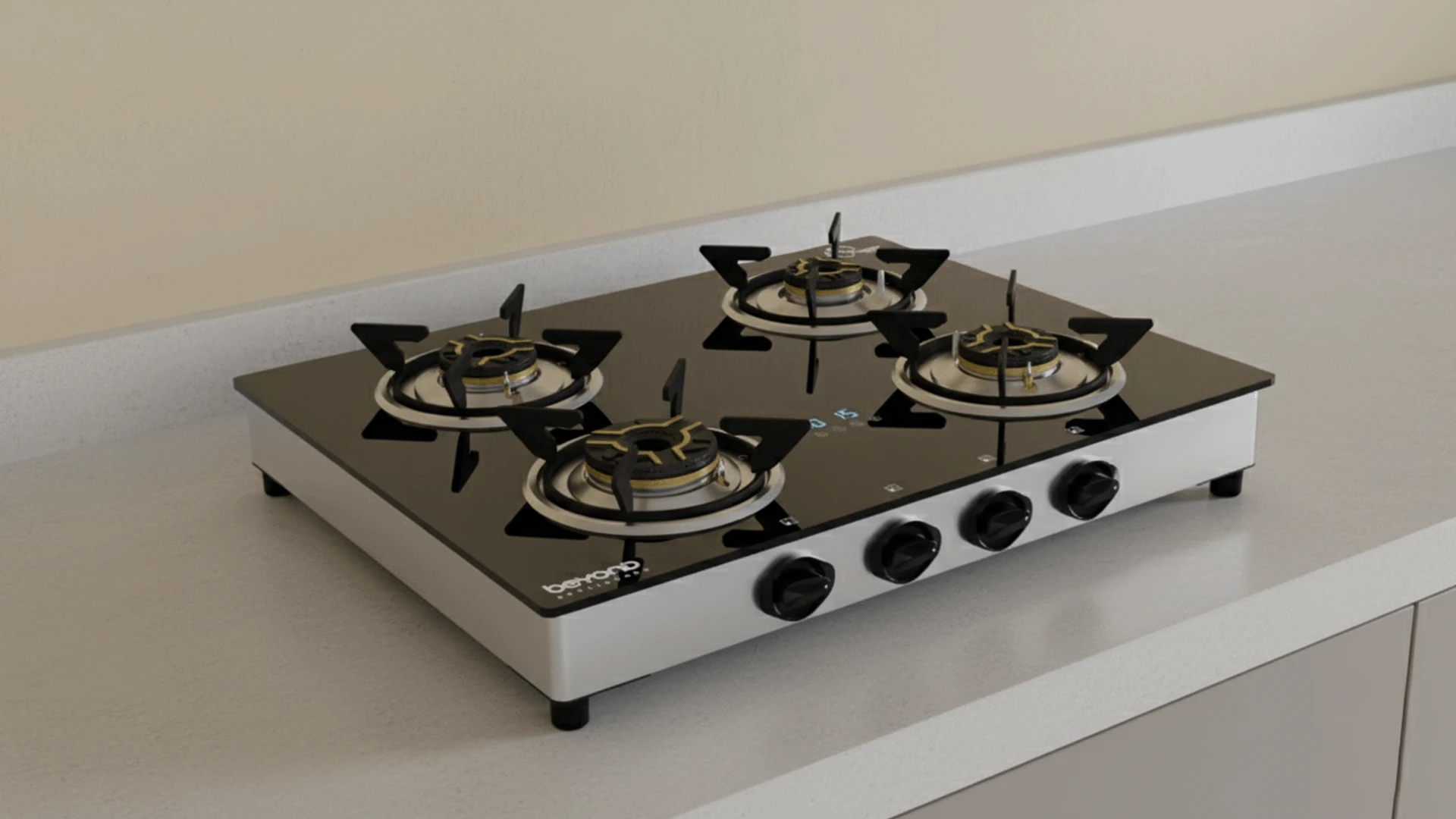
Choosing the right glass stove for your kitchen involves understanding the key differences between tempered and toughened glass options. Both technologies offer sleek, modern designs that complement contemporary kitchens, but they differ significantly in durability, safety features, and performance characteristics. Modern homeowners increasingly prefer glass cooktops for their easy maintenance, space-saving designs, and sophisticated appearance. This comprehensive guide will help you make an informed decision by comparing these two popular glass stove technologies, examining their manufacturing processes, performance metrics, and practical applications in today's compact kitchen designs.
Glass cooktop technology has revolutionized kitchen design by combining functionality with aesthetic appeal. Traditional coil burners and gas ranges have given way to smooth, flat surfaces that offer superior heat distribution and easier cleaning. The science behind heat-resistant glass involves specialized manufacturing processes that enhance the material's ability to withstand thermal shock and mechanical stress. Both tempered and toughened glass undergo heat treatment processes, but the intensity and methodology differ significantly. These stove glass types are engineered to handle extreme temperature variations while maintaining structural integrity. The evolution from basic glass to these advanced materials represents decades of innovation in materials science and kitchen appliance engineering.
The creation of heat-resistant glass begins with high-quality raw materials that are heated to specific temperatures and then rapidly cooled. This process creates internal stresses that actually strengthen the glass structure. Modern manufacturing facilities use precise temperature controls and timing to achieve optimal glass cooktop durability.
Both glass types can withstand temperatures exceeding 400 degrees Celsius without cracking or warping. This thermal resistance makes them ideal for high-heat cooking applications while maintaining their smooth, easy-to-clean surfaces.
Tempered glass stoves represent the standard in affordable, reliable glass cooktop technology. The tempering process involves heating glass to approximately 650 degrees Celsius and then rapidly cooling it with air jets. This creates a product that is four to five times stronger than regular glass while maintaining excellent optical clarity. Tempered glass stove options typically feature uniform heat distribution and responsive temperature controls. The manufacturing process creates a surface that resists scratches from normal cooking activities and provides excellent thermal shock resistance. When properly maintained, these cooktops can last 15-20 years with regular use.
One of the key advantages of tempered glass is its safety characteristics. If breakage occurs, the glass shatters into small, relatively harmless pieces rather than dangerous shards. This glass cooktop safety feature makes tempered glass an excellent choice for families with children.
Tempered glass stoves typically range from INR 15,000 to INR 35,000, making them accessible to a wide range of budgets. The combination of durability, safety, and affordability makes these units popular choices for first-time buyers and budget-conscious homeowners.
Toughened glass represents the premium tier of glass cooktop technology. The manufacturing process involves additional chemical strengthening treatments that create superior impact resistance and thermal stability. These toughened glass stove options are designed for heavy-duty use and demanding cooking environments. The enhanced manufacturing process results in glass that can withstand greater mechanical stress and more extreme temperature variations. Professional chefs and serious home cooks often prefer toughened glass for its superior performance characteristics and longevity.
Toughened glass cooktops can handle impacts that would crack or damage tempered glass surfaces. This durable stove top technology makes them ideal for busy kitchens where cookware might be dropped or roughly handled.
Many toughened glass stoves feature advanced touch controls, multiple cooking zones, and integrated safety systems. These premium features justify the higher price point, typically ranging from INR 40,000 to INR 80,000.
When comparing tempered glass vs toughened glass stove options, several key factors distinguish these technologies. Understanding these differences helps homeowners make informed decisions based on their specific needs and cooking habits. Durability testing reveals that toughened glass can withstand impacts up to 40% greater than tempered glass. However, both materials offer excellent resistance to thermal shock and normal cooking stresses. The choice often comes down to budget considerations and intended use patterns.
Toughened glass demonstrates superior performance in standardized impact tests. While both materials are designed to be safe if breakage occurs, toughened glass is significantly less likely to break under normal kitchen conditions.
Both glass types provide excellent heat distribution, but toughened glass often features more precise temperature controls and faster heating responses. This stove glass comparison shows minimal differences in cooking performance for most home applications.
Modern glass cooktops of both types offer excellent energy efficiency. Induction-compatible models can achieve up to 90% energy transfer efficiency, significantly outperforming traditional gas or electric coil systems.
Contemporary kitchen design increasingly emphasizes clean lines, minimal visual clutter, and space optimization. Glass cooktops excel in these areas by providing smooth, continuous surfaces that integrate seamlessly with countertops and cabinetry. Modern stove design trends favor built-in installations that create uninterrupted work surfaces. Both tempered and toughened glass options are available in various sizes to accommodate different kitchen layouts and cooking needs.
Compact stove options are particularly popular in urban apartments and smaller homes. Two-burner glass cooktops can fit into spaces as small as 60cm wide while still providing full cooking functionality.
Glass cooktops are available in black, white, and stainless steel finishes to complement various kitchen color schemes. The smooth surface creates a sophisticated appearance that enhances the overall kitchen design.
Proper maintenance is essential for preserving the appearance and functionality of glass cooktops. Regular cleaning and careful use can extend the lifespan of both tempered and toughened glass surfaces significantly. Glass stove maintenance involves daily cleaning routines and periodic deep cleaning procedures. Using appropriate cleaning products and techniques prevents scratches and maintains the surface's smooth finish.
After each use, allow the surface to cool completely before cleaning. Use a soft cloth with mild detergent to remove spills and residue. Avoid abrasive cleaners or scrubbing pads that can scratch the glass surface.
Weekly deep cleaning with specialized glass cooktop cleaners helps maintain optimal appearance and performance. Regular inspection for chips or cracks allows for early intervention before problems worsen.
Toughened glass is significantly stronger than tempered glass, offering superior impact resistance and durability. However, both materials are engineered to be safe and reliable for kitchen use.
With proper care, tempered glass cooktops last 15-20 years, while toughened glass units can function effectively for 20-25 years or longer.
Both tempered and toughened glass are designed to resist thermal shock. Sudden extreme temperature changes can potentially cause damage, but normal cooking activities pose no risk.
Use specialized glass cooktop cleaners with soft cloths or paper towels. Avoid abrasive materials and clean spills promptly while the surface is cool.
Yes, both glass types feature safety mechanisms including residual heat indicators and smooth surfaces without exposed heating elements. Proper supervision remains important.
Induction glass cooktops require magnetic cookware, while radiant heat models work with most flat-bottomed pots and pans. Avoid cookware with rough or damaged bottoms.
Choosing between tempered and toughened glass stoves depends on your budget, cooking habits, and durability requirements. Tempered glass offers excellent value and safety for most households, while toughened glass provides superior durability for demanding applications. Both technologies deliver the sleek appearance and easy maintenance that make glass cooktops increasingly popular in modern kitchen designs. Consider your specific needs, available space, and long-term cooking plans when making your selection.
