

Ultimate Guide: Modular Kitchen Chimney Planning
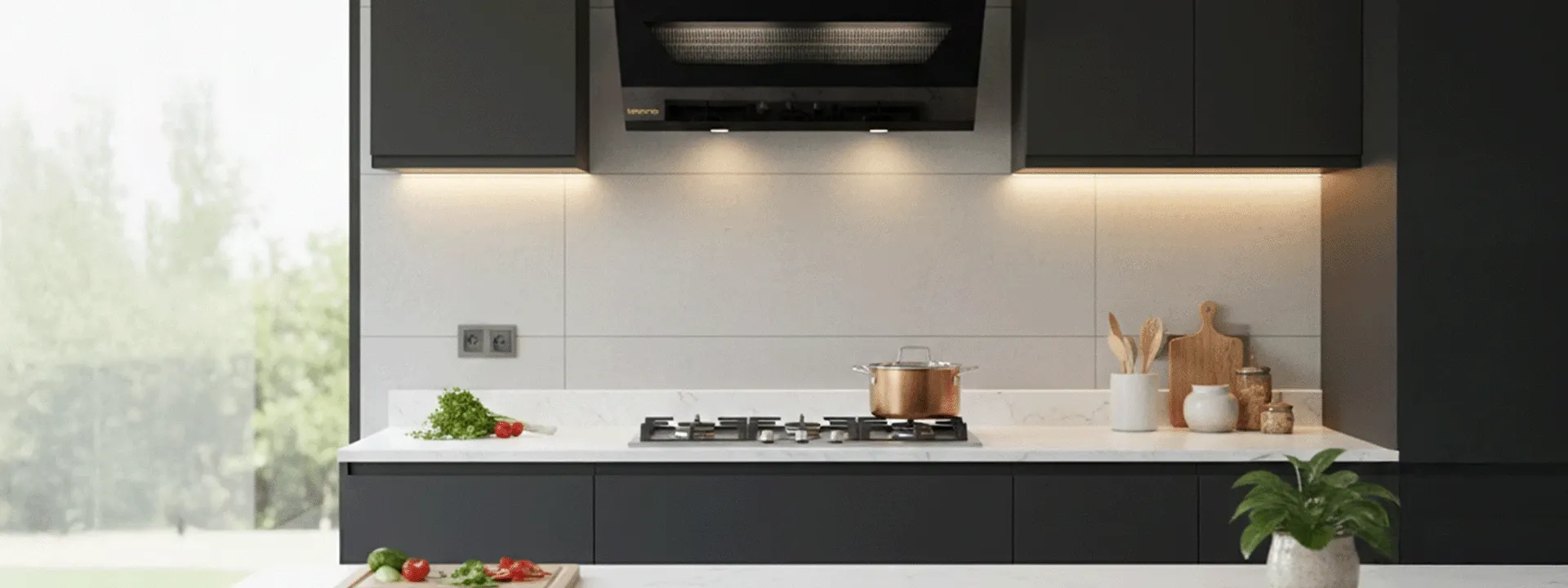
Planning a modular kitchen involves countless decisions, but one of the most crucial yet often overlooked aspects is modular kitchen chimney planning. A well-planned kitchen exhaust system not only keeps your cooking space fresh and clean but also protects your investment in beautiful modular cabinets and appliances. Whether you're designing a compact urban kitchen or a spacious open-plan cooking area, proper ventilation planning ensures your kitchen remains a joy to cook in for years to come. The right chimney becomes an integral part of your kitchen's functionality and aesthetic appeal.
Effective modular kitchen chimney planning goes beyond simply choosing a chimney model. It involves understanding how ventilation integrates with your entire kitchen design, from cabinet layouts to cooking patterns. Modern kitchens demand smart solutions that balance functionality with style.
Modular kitchen ventilation differs significantly from traditional setups. The pre-planned nature of modular systems allows for seamless integration of chimney units with cabinet designs. This approach offers several advantages: • Integration with modular cabinet systems creates a cohesive look • Pre-planned ventilation solutions eliminate last-minute installation challenges • Design flexibility allows customization based on cooking habits • Space optimization becomes possible in compact layouts
A comprehensive kitchen exhaust system involves multiple components working together. Understanding each element helps in making informed decisions: • Chimney unit specifications including suction capacity and size • Ducting and ventilation pathways for efficient air removal • Electrical and mounting requirements for safe installation • Integration points with kitchen design elements
Choosing the right kitchen chimney design depends on your kitchen layout, cooking style, and aesthetic preferences. Different designs serve different purposes and spaces effectively.
Compact kitchen chimney solutions work perfectly for smaller cooking areas. Wall-mounted 60cm models fit snugly above standard cooking ranges without overwhelming the space. Island chimney solutions work well for open layouts where the cooking area sits in the center. Built-in chimney integration techniques hide the unit within cabinets for a seamless look. Corner installation ideas maximize space utilization in L-shaped kitchen layouts.
Modern kitchen ventilation emphasizes both function and form. Sleek stainless steel designs complement contemporary kitchen aesthetics. Glass panel chimney options add elegance while maintaining easy cleaning. Hidden or concealed chimney planning creates minimalist looks. Designer chimneys can serve as striking focal points in open kitchen designs.
Different kitchen chimney types offer varying benefits. Ducted systems provide superior air removal but require external venting. Ductless systems offer installation flexibility but need regular filter maintenance. Auto-clean technology reduces maintenance efforts significantly. Filter-based models require regular cleaning while filterless designs use advanced technology for easier upkeep.
Proper sizing and placement form the backbone of effective ventilation planning. Getting these calculations right ensures optimal performance and energy efficiency.
Kitchen area measurement guides chimney selection. Spaces under 150 square feet work well with 60cm chimneys. Larger or open layouts benefit from 90cm models. Suction capacity requirements depend on cooking frequency and kitchen volume. Calculate CFM (Cubic Feet per Minute) by multiplying kitchen area by ceiling height, then by 10-12 for optimal air changes.
Optimal chimney placement ideas ensure maximum efficiency. Position the chimney 24-30 inches above the cooking surface for best results. Align with modular cabinet layouts to maintain design harmony. Avoid obstacles like overhead cabinets or light fixtures that might reduce efficiency. Integration with kitchen island designs requires careful planning for both aesthetics and functionality.
A comprehensive chimney installation guide helps coordinate the process with your modular kitchen setup. Proper planning prevents delays and ensures seamless integration.
Electrical connection planning requires a dedicated 15-20 amp circuit for most chimney models. Ventilation pathway design must account for the shortest route to external walls. Structural support assessment ensures safe mounting, especially for heavier models. Coordination with modular kitchen installation timeline prevents conflicts and delays.
Mounting bracket installation forms the foundation of safe chimney setup. Ducting connection procedures ensure efficient air removal. Electrical wiring and controls setup require professional expertise for safety. Testing and commissioning checklist verifies proper operation before final handover.
Cabinet modification requirements must be planned during the design phase. Coordinating with countertop installation prevents damage during mounting. Backsplash design considerations include heat resistance and easy cleaning. Lighting integration opportunities can enhance both functionality and ambiance.
Effective kitchen air quality management extends beyond just installing a chimney. It involves creating a comprehensive ventilation strategy that addresses all aspects of air circulation.
Air circulation pattern optimization ensures even air movement throughout the cooking area. Cross-ventilation with natural airflow reduces dependency on mechanical systems. Humidity control strategies prevent condensation and protect kitchen surfaces. Odor elimination techniques keep cooking smells from spreading to other areas.
Filter cleaning schedules vary by usage but typically require monthly attention. Duct maintenance requirements include annual professional cleaning for optimal performance. Performance monitoring indicators help identify when service is needed. Troubleshooting common issues prevents minor problems from becoming major repairs.
Understanding the financial aspects of modular kitchen chimney planning helps make informed decisions that balance features with budget constraints.
Entry-level options range from INR 7,000-15,000 and offer basic functionality. Mid-range features include auto-clean technology and better suction capacity. Premium chimney investments provide advanced features like smart controls and superior build quality. Installation and additional costs can add INR 2,000-5,000 to the total investment.
Balancing features with budget requires prioritizing essential functions over luxury additions. Long-term operational costs include electricity consumption and maintenance expenses. Energy efficiency considerations can reduce monthly operating costs significantly. Warranty and service factors protect your investment and ensure reliable operation.
Measure your kitchen area and multiply by ceiling height. For kitchens under 150 sq ft, a 60cm chimney works well. Larger spaces need 90cm models. Consider cooking frequency and the number of burners used simultaneously.
Most modular kitchen packages include chimney planning but the actual unit may be optional. Basic packages often exclude chimneys while premium packages include them. Always clarify what's included in your specific package.
Consider kitchen size, cooking habits, budget, and aesthetic preferences. Evaluate suction capacity needs, maintenance requirements, and integration with your modular design. Energy efficiency and noise levels also matter for daily comfort.
Basic models start around INR 7,000 while premium options can exceed INR 50,000. Mid-range chimneys with good features cost INR 15,000-30,000. Factor in installation costs of INR 2,000-5,000 for professional setup.
Successful modular kitchen chimney planning requires careful consideration of multiple factors from sizing and placement to integration and maintenance. The right chimney enhances both functionality and aesthetics while protecting your kitchen investment. Start planning early in your modular kitchen design process to ensure seamless integration. Remember that proper ventilation planning contributes significantly to cooking comfort and kitchen air quality. With thoughtful planning and professional installation, your kitchen chimney will serve you efficiently for years to come.
