

Ultimate Guide: Maintaining Shine on Glass Stoves
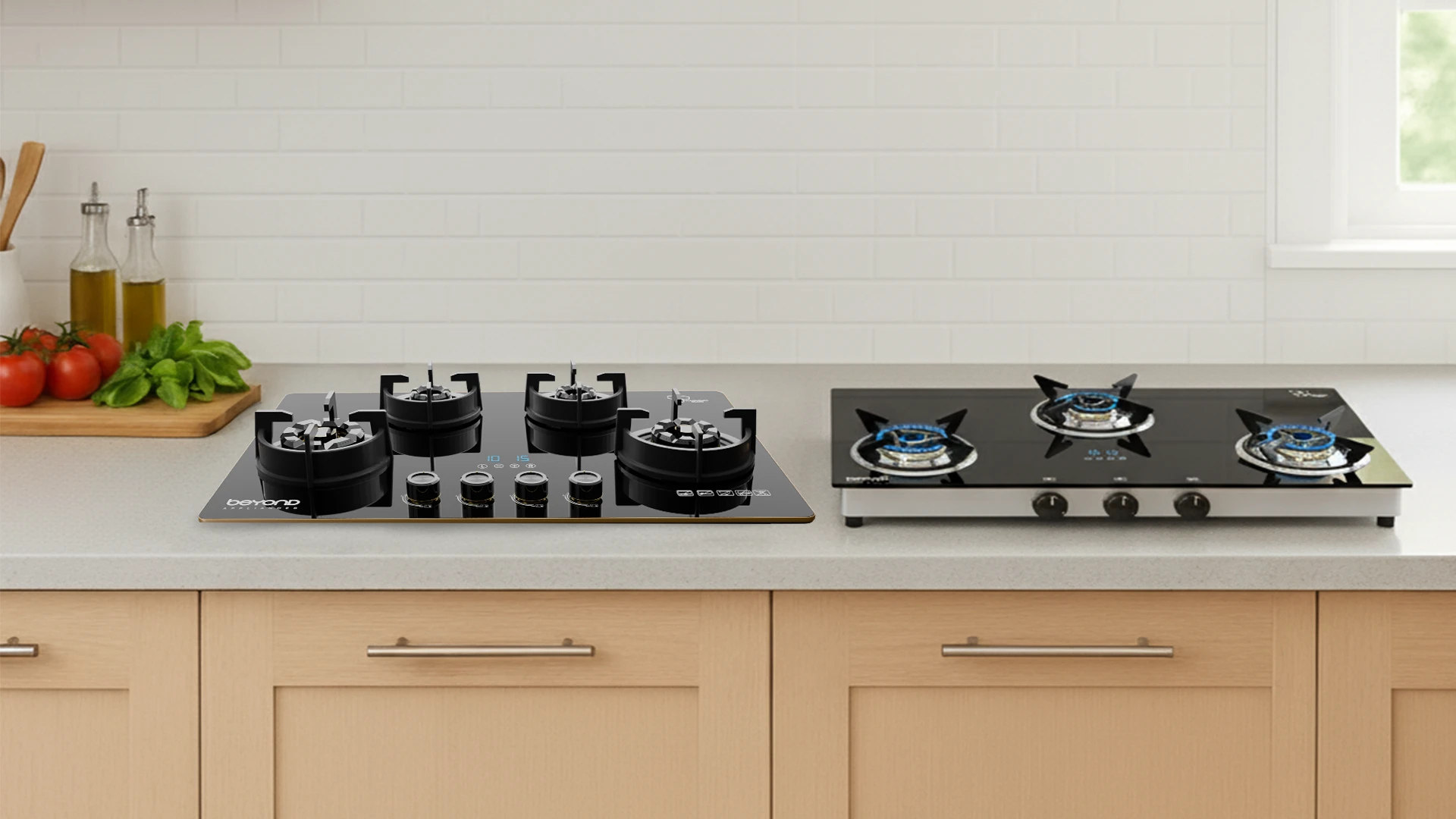
Glass stoves have become the centerpiece of modern kitchens, offering sleek aesthetics and efficient cooking performance. However, maintaining that pristine shine requires proper care and the right techniques. Many homeowners struggle with water spots, burnt-on stains, and cloudy surfaces that diminish their cooktop's appearance. Understanding how to maintain shine of glass stove surfaces not only preserves your kitchen's visual appeal but also ensures optimal cooking performance and extends your appliance's lifespan. With the right approach, keeping your glass cooktop sparkling clean becomes a simple part of your daily routine.
Proper glass cooktop care goes beyond aesthetics—it directly impacts your kitchen's functionality and value. A well-maintained glass surface ensures even heat distribution and prevents hot spots that can affect cooking results. Clean cooktops also reflect light better, making your entire kitchen appear brighter and more spacious. Regular cooktop maintenance prevents costly repairs and extends appliance life significantly. Burnt-on residue and mineral deposits can cause permanent damage if left untreated. Professional replacement of glass cooktop surfaces can cost thousands of rupees, making preventive care a smart investment. Additionally, clean cooking surfaces promote food safety by eliminating bacteria-harboring residue and ensuring proper heat transfer during cooking.
Successful glass stove cleaning starts with the right supplies and tools. Quality matters when selecting cleaning products, as harsh chemicals can damage delicate glass surfaces permanently.
Microfiber cloths are essential for streak-free cleaning and won't scratch glass surfaces. Invest in several cloths—one for cleaning, another for drying, and a third for final polishing. Plastic scrapers designed specifically for glass cooktops safely remove stubborn residue without causing scratches.
Commercial glass cooktop cleaners offer convenience and proven results. Look for products specifically formulated for glass surfaces that contain gentle abrasives for tough stains. Alternatively, create effective DIY solutions using white vinegar, baking soda, and dish soap. Avoid ammonia-based cleaners, abrasive powders, and steel wool that can permanently damage glass surfaces.
Establishing a simple daily routine prevents buildup and maintains your cooktop's shine effortlessly. This five-minute method keeps your glass stove looking pristine with minimal effort. Allow the cooktop to cool completely before cleaning—never clean hot surfaces as this can cause thermal shock and cracking. Wipe away spills immediately after cooking to prevent them from hardening and becoming difficult to remove. Use a damp microfiber cloth with a small amount of dish soap for daily cleaning.
After cleaning, dry the surface thoroughly with a clean microfiber cloth to prevent water spots. For instant stove top shine, spray a small amount of glass cleaner and buff in circular motions. This daily habit prevents the need for intensive deep cleaning sessions.
Weekly deep cleaning tackles burnt-on food, grease buildup, and mineral deposits that daily maintenance cannot address. This comprehensive approach restores your cooktop's original clarity and shine. Start by applying a specialized glass cooktop cleaner to the entire surface. Allow the product to sit for the recommended time to soften stubborn residue. Use a plastic scraper at a 45-degree angle to gently remove burnt-on food, working in one direction to avoid scratching.
For tough stains, create a paste using baking soda and water. Apply this mixture to stained areas and let it sit for 15 minutes. The gentle abrasive action helps lift stubborn residue without damaging the glass. Rinse thoroughly and dry completely to prevent water spots.
White heat marks require special attention. Apply white vinegar to these areas and cover with a damp cloth for 10 minutes. The acid in vinegar helps dissolve mineral deposits that cause cloudy appearances. Follow with regular cleaning and thorough drying.
Achieving a mirror-like finish requires proper cooktop polishing techniques and quality products. Professional results come from understanding the right methods and timing. Use circular motions when applying polish, working in small sections for even coverage. Apply light pressure—the product does the work, not force. Quality glass polish contains ingredients that fill microscopic scratches and create a protective barrier against future stains.
The key to streak-free results lies in proper buffing technique. Use a clean, dry microfiber cloth and work in overlapping circular patterns. Change cloths when they become damp to maintain optimal results. Final buffing should be done with a completely dry cloth for maximum stove top shine.
Smart preventive measures protect your investment and reduce cleaning time significantly. Understanding proper glass cooktop care prevents damage and maintains performance over years of use. Choose cookware with smooth, flat bottoms that distribute weight evenly across the glass surface. Avoid dragging pots and pans, which can cause microscopic scratches that accumulate over time. Cast iron and ceramic cookware require extra caution due to their weight and potential for scratching.
Never place hot cookware on cold glass or vice versa—sudden temperature changes can cause cracking. Allow gradual temperature transitions and avoid placing frozen items directly on warm surfaces. These practices prevent thermal stress that can damage your cooktop permanently.
Daily light cleaning after each use prevents buildup. Perform deep cleaning weekly or whenever you notice stubborn stains. This schedule maintains optimal appearance and performance.
Specialized glass cooktop cleaners work best for regular maintenance. For budget-friendly options, white vinegar and baking soda create effective cleaning solutions without damaging surfaces.
Regular glass cleaners may contain ammonia that can damage cooktop surfaces. Use products specifically designed for glass cooktops to ensure safety and effectiveness.
Dry surfaces immediately after cleaning with a clean microfiber cloth. Use distilled water for final rinses in areas with hard water to prevent mineral deposits.
Always allow complete cooling before cleaning. Cleaning warm surfaces can cause thermal shock, leading to cracks or complete surface failure.
Maintaining your glass stove's shine requires consistent daily care combined with weekly deep cleaning sessions. The right tools and techniques make this process simple and effective. Quality cleaning products designed specifically for glass surfaces protect your investment while delivering professional results. Remember that prevention through proper cookware selection and immediate spill cleanup saves time and preserves your cooktop's beauty. With these proven methods, your glass stove will remain a stunning focal point in your modern kitchen for years to come.
