

Ultimate Guide: Installing Open Kitchen Chimney
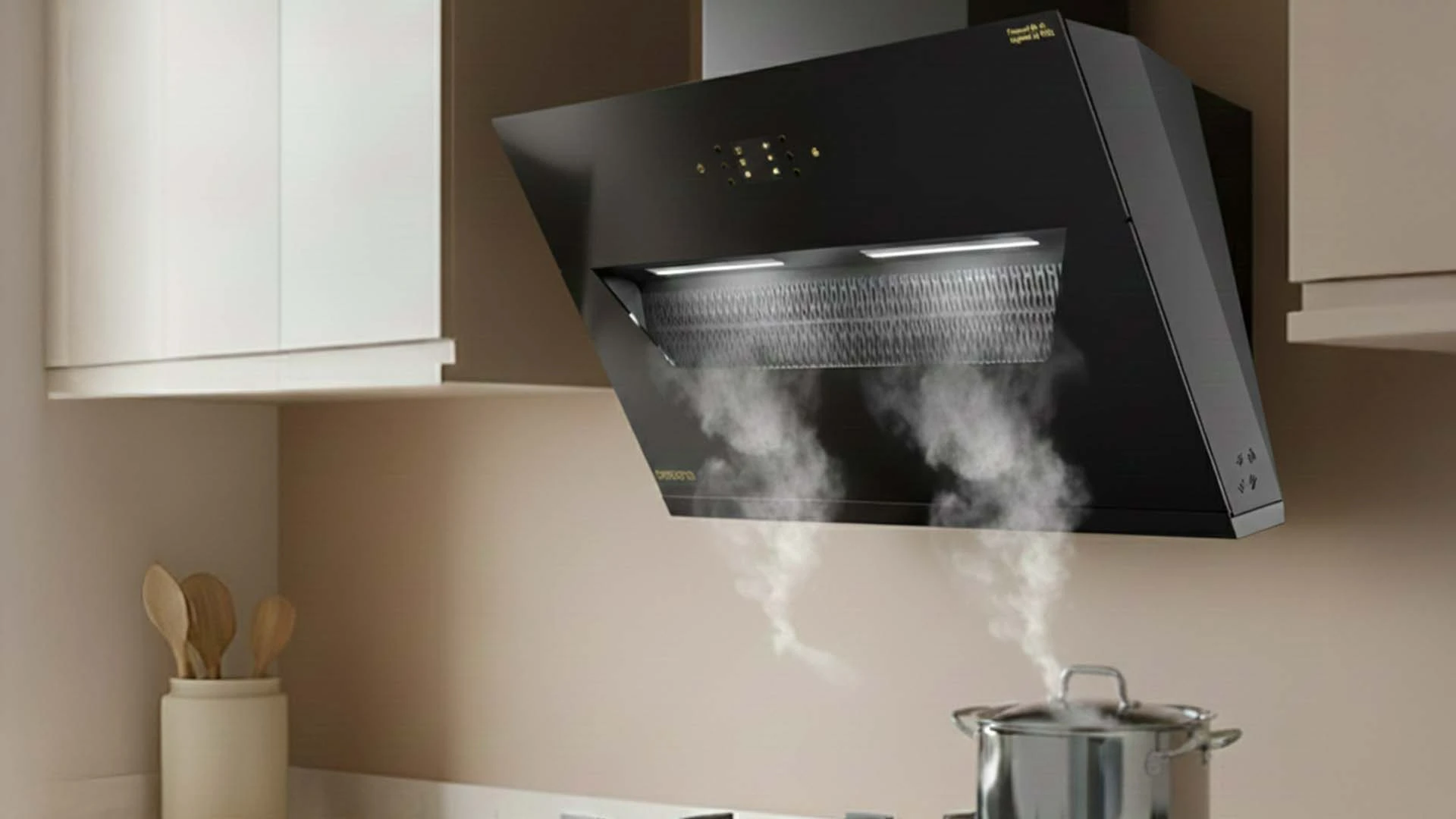
Open kitchens have transformed modern home design, creating seamless spaces where cooking, dining, and living areas flow together beautifully. However, this design trend brings unique challenges for kitchen ventilation. Without proper planning, cooking odors, smoke, and grease can spread throughout your entire living space. The right open kitchen chimney tips can help you maintain a fresh, clean environment while preserving the aesthetic appeal of your open layout. Understanding the specific requirements for open kitchen ventilation ensures your cooking space remains both functional and visually stunning.
Open kitchen designs require specialized ventilation solutions that differ significantly from traditional enclosed cooking spaces. The absence of walls means cooking fumes have more space to disperse, making effective extraction crucial for maintaining air quality throughout your home.
Open kitchen chimneys face unique challenges compared to standard installations. They must handle larger air volumes due to the expanded space and provide more powerful suction to capture cooking fumes before they spread. The visual impact becomes equally important since the chimney remains visible from multiple angles in your living area. Modern kitchen chimney designs focus on sleek profiles and premium finishes that complement contemporary interiors rather than dominate them.
Several chimney styles work exceptionally well in open layouts. Island chimneys suspend from the ceiling above cooking islands, offering 360-degree access and powerful extraction. Wall-mounted units work perfectly for peninsula layouts where one side connects to existing walls. T-shaped chimneys provide excellent coverage for larger cooking surfaces, while curved chimneys add elegant styling to modern spaces. Slant or inclined chimneys offer contemporary aesthetics with efficient performance.
Proper sizing and positioning determine your chimney's effectiveness in an open layout. These decisions impact both performance and visual integration with your kitchen design.
Compact kitchen chimney options measuring 60cm work well for smaller cooking areas with 2-3 burner setups. These units typically provide 1000-1200 cubic meters per hour suction capacity, suitable for moderate cooking needs. Larger 90cm units handle extensive cooking areas and high-volume food preparation, offering 1200-1500 cubic meters per hour capacity. Consider your cooking habits, family size, and available space when choosing between these options.
Maintaining proper clearance ensures safety and optimal performance. Install your chimney 65-75cm above the cooktop surface for gas cooking and 20-24 inches for electric surfaces. This height provides effective smoke capture while allowing comfortable cooking access. Ensure adequate structural support for ceiling-mounted installations, especially with island chimneys that require robust mounting systems.
Successful installation requires careful planning and attention to technical details. Understanding the process helps you make informed decisions about professional installation versus DIY approaches.
Begin by measuring your cooking area accurately and assessing existing electrical connections. Evaluate ducting requirements for external venting or consider ductless options for simpler installation. Check ceiling structure for adequate support, particularly important for island installations that bear the unit's full weight. Plan electrical connections early, ensuring proper circuit capacity for your chosen model.
Professional installation ensures proper mounting, electrical connections, and compliance with local building codes. Complex installations involving structural modifications or extensive ductwork typically require professional expertise. DIY installation works for straightforward wall-mounted units with existing electrical access. Essential tools include drill, level, stud finder, and appropriate mounting hardware. Always prioritize safety and consider professional help for electrical connections.
Balancing functionality with aesthetics requires thoughtful consideration of how your chimney integrates with your overall kitchen design. The right approach creates seamless visual flow while maintaining excellent performance.
Minimalist designs with clean lines complement contemporary aesthetics without overwhelming the space. Choose finishes that coordinate with existing appliances and hardware for cohesive styling. Stainless steel options provide timeless appeal, while black finishes create dramatic focal points. Consider models with integrated lighting that enhances both functionality and ambiance during evening cooking sessions.
Position your chimney to maintain visual flow between cooking and living areas. Island installations can serve as design anchors while providing practical ventilation. Coordinate chimney placement with pendant lighting and other ceiling elements for balanced composition. Consider the sight lines from different areas of your open space to ensure the chimney enhances rather than disrupts the overall design.
Proper filter selection and maintenance ensure optimal performance and longevity of your kitchen chimney investment. Understanding different filter types helps you choose the best option for your cooking habits.
Baffle filters excel at grease separation and work well for heavy cooking with oil and spices. These aluminum filters handle high temperatures and provide excellent durability. Cassette filters offer easier cleaning but may require more frequent replacement. For ductless installations, charcoal filters remove odors effectively but need regular replacement every 3-6 months depending on usage.
Clean baffle filters monthly using warm soapy water or dishwasher cleaning. Replace cassette filters every 2-3 months for optimal performance. Check and clean the chimney exterior weekly to prevent grease buildup. Schedule professional servicing annually to maintain motor efficiency and check electrical connections. Proper maintenance extends your cooker hood lifespan significantly.
Choose 90cm chimneys for cooking areas larger than 8x10 feet, while 60cm units work well for compact spaces. Consider your cooking frequency and the size of your open area when deciding.
Maintain 65-75cm clearance above gas cooktops and 50-65cm above electric surfaces. This height ensures effective smoke capture while providing comfortable cooking access.
Island chimney installation requires ceiling structural assessment and professional electrical work. While possible for experienced DIYers, professional installation ensures safety and optimal performance.
Calculate 10-12 times your kitchen volume in cubic meters per hour. Open kitchens typically need 1200-1500 CMH capacity for effective ventilation.
Choose models with noise levels below 58 decibels, ensure proper mounting to reduce vibration, and consider sound-dampening materials around ductwork.
Baffle filters handle oil and spice-heavy cooking most effectively. They withstand high temperatures and provide superior grease separation for traditional Indian cooking methods.
Successful open kitchen chimney installation combines proper sizing, strategic positioning, and thoughtful design integration. Choose the right capacity for your space, maintain proper clearances for safety, and select filters appropriate for your cooking style. Regular maintenance ensures optimal performance and extends your investment's lifespan. Professional installation provides peace of mind for complex setups, while careful planning makes DIY installation possible for simpler configurations. The right chimney transforms your open kitchen into a functional, beautiful space that enhances your entire home's atmosphere.
