

Ultimate Guide: Cooktop Maintenance Step by Step
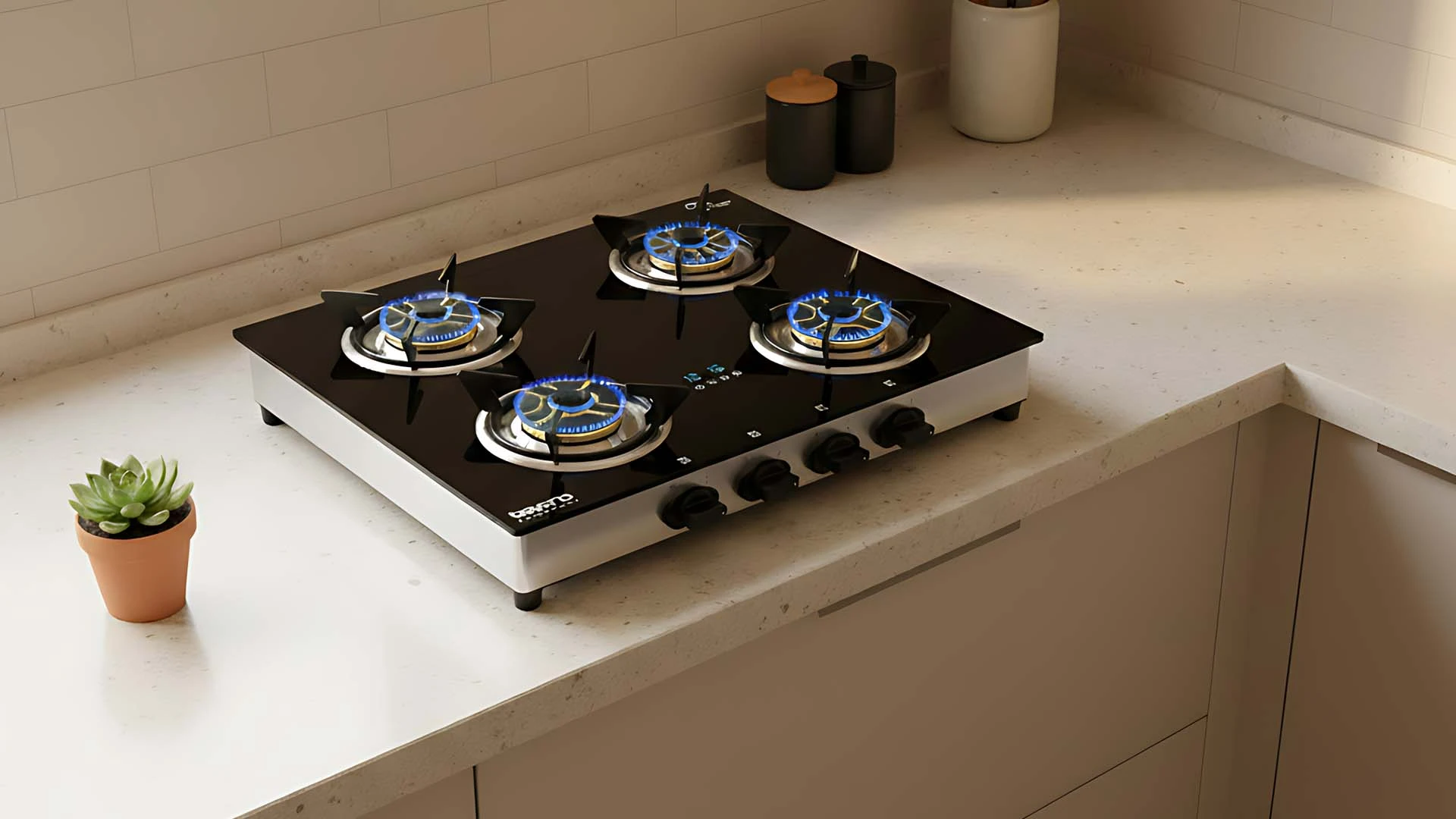
Your cooktop is the heart of your kitchen, working tirelessly to help you create delicious meals for your family. Like any hardworking appliance, it needs proper care to perform at its best. Regular cooktop maintenance tips can extend your appliance's lifespan by 5-10 years, saving you hundreds of rupees in replacement costs. Whether you have a sleek glass surface, reliable electric coils, or modern induction technology, proper maintenance ensures safety, efficiency, and optimal cooking performance. This comprehensive guide walks you through everything you need to know about keeping your cooktop in perfect condition.
Proper cooktop upkeep starts with understanding why maintenance matters. A well-maintained cooktop can last 15-20 years, while neglected units often fail within 8-10 years. The cost difference is significant – spending INR 2,000-3,000 annually on maintenance versus INR 15,000-40,000 for replacement makes financial sense. Daily maintenance takes just 5 minutes but prevents major problems. After each cooking session, wipe down surfaces while they're still warm but safe to touch. This prevents food residue from hardening and becoming difficult to remove later. Weekly deep cleaning sessions should focus on removing grease buildup and checking for any unusual wear patterns. Monthly inspections help catch problems early. Check electrical connections, examine gas lines for leaks, and test all heating elements for even performance. Kitchen appliance maintenance becomes routine when you establish these simple habits. Document any issues you notice – this information proves valuable if professional service becomes necessary.
Different cooktop surfaces require specific cleaning approaches for optimal results. Understanding your cooktop type ensures you use the right methods and products without causing damage.
Glass surfaces need gentle care to prevent scratches and maintain their sleek appearance. Use specialized glass cooktop cleaners or create a paste with baking soda and water. Apply the cleaner to cool surfaces only, then use a soft cloth or plastic scraper to remove stubborn spots. Never use abrasive sponges or steel wool, as these create permanent scratches.
Electric coil cooktops require attention to both heating elements and drip pans. Remove coils carefully when cool, then wash drip pans in warm soapy water. Clean coils with a damp cloth, avoiding the electrical connections. Replace drip pans when they become warped or heavily stained, as this affects heating efficiency.
Induction surfaces clean easily with mild soap and water. The smooth surface doesn't retain heat like other types, making cleanup safer and faster. Focus on the control panel area, using slightly damp cloths to prevent moisture from entering electronic components. Avoid magnetic cleaning tools that might interfere with the induction mechanism.
Knowing when to handle maintenance yourself versus calling professionals saves time and money. Simple cleaning and basic troubleshooting fall within most homeowners' capabilities, while electrical or gas-related issues require professional expertise. DIY maintenance includes surface cleaning, replacing drip pans, and checking visible connections. These tasks cost under INR 500 in supplies and take 30-60 minutes. Professional cooktop repair becomes necessary for heating element replacement, gas line issues, or electronic control problems. These services typically cost INR 1,500-5,000 depending on the issue complexity. Warranty considerations play a crucial role in this decision. Attempting repairs on newer appliances might void coverage, making professional service the smarter choice. Keep maintenance records to support warranty claims and demonstrate proper care. Burner maintenance often falls into a gray area – simple cleaning is fine, but component replacement should involve professionals.
Cooktop safety starts with proper installation and continues through daily use. Regular maintenance prevents most safety hazards while ensuring optimal performance. Temperature control problems often indicate calibration issues or worn components. If heating seems uneven or temperatures don't match settings, professional diagnosis prevents potential safety risks. Gas cooktops require special attention to leak detection – use soapy water around connections monthly to check for bubbles indicating escaping gas. Electrical safety protocols include checking cords for damage and ensuring proper grounding. Never operate cooktops with damaged electrical components, as this creates fire and shock hazards. Cooktop troubleshooting should always prioritize safety over convenience. When in doubt, disconnect power or gas supply and consult professionals. Child safety features need regular testing to ensure proper function. Locks, automatic shutoffs, and control panel covers protect curious little hands from burns and accidental activation. Clean these mechanisms gently to maintain smooth operation without compromising safety functions.
Clean your cooktop after each use for best results. Wipe surfaces while warm but safe to touch, and perform deep cleaning weekly. Monthly inspections help catch problems early.
Use specialized glass cooktop cleaners or baking soda paste. Avoid abrasive cleaners, steel wool, or harsh chemicals that can scratch or damage the surface.
Uneven heating often indicates worn heating elements, damaged drip pans, or calibration issues. Check connections and replace damaged components, or contact professionals for complex problems.
Watch for error codes, inconsistent heating, or control panel malfunctions. Induction cooktops have sophisticated electronics that typically require professional diagnosis and repair.
Call professionals for gas leaks, electrical problems, persistent error codes, or heating issues that don't resolve with basic troubleshooting.
Basic service calls range from INR 800-1,500, while repairs can cost INR 1,500-5,000 depending on the issue. Regular maintenance prevents costlier emergency repairs.
Proper cooktop maintenance protects your investment while ensuring safe, efficient cooking for years to come. Following these cooktop maintenance tips prevents most common problems and extends appliance life significantly. Remember that different cooktop types require specific care approaches, and knowing when to call professionals prevents costly mistakes. Establish regular cleaning routines, perform monthly inspections, and address issues promptly. With consistent care, your cooktop will continue serving delicious meals while maintaining its performance and appearance. The small time investment in maintenance pays dividends in reliability, safety, and cooking satisfaction.
