

Ultimate Guide: Clean & Maintain Your Cooktop
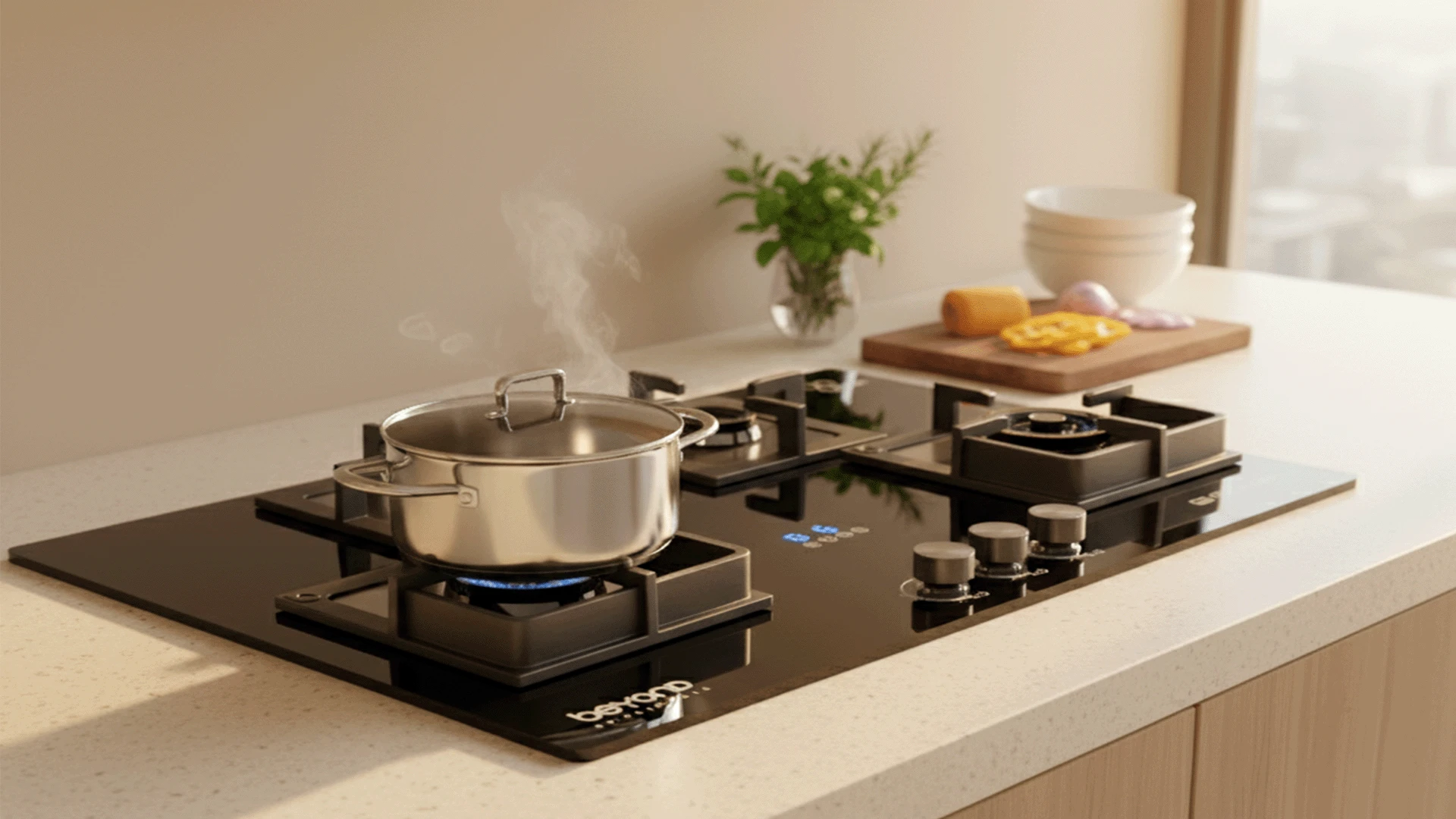
A clean cooktop is the heart of any efficient kitchen. Whether you own a sleek glass surface, durable stainless steel, or traditional gas burners, proper cleaning and maintaining cooktops ensures optimal performance and extends appliance lifespan. Modern cooktops require specific care techniques that protect their surfaces while maintaining hygiene standards. Understanding the right methods prevents costly damage and keeps your cooking space looking pristine. This comprehensive guide covers everything from daily maintenance to deep cleaning strategies for all cooktop types.
Proper cooktop care starts with understanding your appliance's specific requirements and safety protocols. Different cooktop materials demand unique approaches to prevent damage while achieving thorough cleanliness. Establishing a routine cleaning schedule prevents buildup that becomes difficult to remove later.
Always ensure your cooktop is completely cool before beginning any cleaning process. Remove all cookware, grates, drip pans, and burner caps where applicable. Disconnect power to electric units or ensure gas valves are properly closed. Gather appropriate cleaning supplies including microfiber cloths, non-abrasive cleaners, and protective gloves. Ensure adequate ventilation in your kitchen during the cleaning process.
Glass and ceramic surfaces require gentle, non-abrasive treatments to prevent scratching. Stainless steel needs grain-direction cleaning to maintain its lustrous finish. Gas cooktops have removable components that benefit from separate cleaning attention. Electric coil burners need careful handling to avoid damaging heating elements or electrical connections.
Glass cooktops offer sleek aesthetics but require careful maintenance to preserve their smooth surface. These cooktop cleaning tips help maintain clarity and prevent permanent damage. Regular attention prevents minor spills from becoming stubborn stains.
Address spills immediately while the surface is still warm but not hot. Use a damp microfiber cloth with gentle circular motions. Apply specialized glass cooktop cleaner for best results, avoiding harsh chemicals that can damage the surface. Always wipe in one direction to prevent streaking and maintain the surface's pristine appearance.
For burnt-on food, apply a best cooktop cleaner specifically designed for glass surfaces. Let it sit for the recommended time before gently scraping with a razor blade held at a 45-degree angle. Use smooth, consistent strokes to avoid scratching. Follow up with a thorough wipe-down using clean, damp cloths to remove all residue.
Grease stains respond well to warm, soapy water followed by specialized degreasing products. Sugar spills require immediate attention as they can permanently damage the surface when heated. For mineral deposits, use white vinegar solutions followed by thorough rinsing. Prevention remains the best strategy through immediate cleanup and regular maintenance.
Stainless steel cooktops combine durability with professional aesthetics but require specific care techniques. Understanding proper stainless steel cooktop cleaner application prevents scratching while maintaining the surface's reflective quality. Regular maintenance keeps fingerprints and water spots at bay.
Always clean in the direction of the steel's grain to prevent visible scratches. Use pH-neutral cleaners specifically formulated for stainless steel surfaces. Avoid abrasive materials like steel wool or harsh scrubbing pads. Apply cleaner with soft cloths, working in long, smooth strokes for even coverage and optimal results.
Daily maintenance involves wiping down surfaces with microfiber cloths to remove fingerprints and water spots. Apply stainless steel polish monthly to maintain luster and create a protective barrier. Prevent heat discoloration by ensuring proper ventilation and avoiding excessive temperatures. Regular care prevents the need for aggressive cleaning methods.
Gas cooktop cleaning involves multiple components that require individual attention. Proper disassembly and reassembly ensure thorough cleaning without compromising safety or functionality. Regular maintenance prevents grease buildup that can affect burner performance.
Remove grates and soak them in warm, soapy water for easier cleaning. Clean burner caps with gentle detergent, ensuring all ports remain clear for proper gas flow. Restore drip pans by soaking and scrubbing with non-abrasive cleaners. Maintain igniters by keeping them dry and free from food debris that can prevent proper sparking.
Always shut off gas supply before beginning deep cleaning procedures. Clean carefully around gas connections without disturbing fittings. Contact professionals for any gas-related concerns or unusual odors. Reassemble components properly, ensuring all connections are secure before restoring gas supply and testing functionality.
Electric cooktop cleaning varies significantly between coil and smooth-top models. Each type requires specific approaches to maintain heating efficiency and prevent damage. Understanding your electric cooktop's design helps determine the most effective cleaning methods.
Removable coils should be cleaned separately using warm, soapy water and gentle scrubbing. Replace drip pans when they become too stained or warped for effective cleaning. Keep connection points clean and dry to prevent electrical issues. Ensure coils are completely dry before reinstalling to prevent electrical problems.
Use heat-resistant cleaning products designed for electric smooth-tops. Avoid thermal shock by never placing cold liquids on hot surfaces. Clean heating element areas carefully to maintain even heat distribution. Regular maintenance prevents buildup that can affect cooking performance and energy efficiency.
Proactive cooktop maintenance extends appliance life and maintains optimal performance. Regular inspections identify potential issues before they become costly problems. Understanding when to perform maintenance tasks keeps your cooktop functioning efficiently.
Establish weekly cleaning schedules that address daily use buildup. Perform seasonal deep cleaning that includes component inspection and replacement as needed. Create maintenance checklists that ensure no aspect of care is overlooked. Optimize performance through regular attention to all cooktop elements and surfaces.
Uneven heating often results from blocked burner ports or damaged heating elements. Cleaning-related damage typically occurs from using inappropriate products or techniques. Replacement parts become necessary when components show wear beyond effective cleaning. Professional service indicators include gas odors, electrical issues, or persistent performance problems.
Glass cooktops benefit from specialized ceramic cleaners, while stainless steel requires pH-neutral formulations. Gas cooktops can use standard degreasers for components, and electric models need heat-resistant products for optimal results.
Perform deep cleaning monthly for regular use, or more frequently for heavy cooking. Daily maintenance prevents buildup that requires intensive cleaning efforts.
Baking soda and white vinegar work well for many cleaning tasks. However, specialized products often provide better results and surface protection than improvised solutions.
Avoid abrasive cleaners, steel wool, and harsh chemicals that can damage surfaces. Ammonia-based products can harm certain finishes, and bleach should never be used on cooktop surfaces.
Allow the surface to cool completely, then gently scrape with a plastic scraper. Apply ice to harden remaining plastic for easier removal, followed by appropriate surface cleaner.
Mastering cleaning and maintaining cooktops requires understanding your specific appliance type and following appropriate care protocols. Regular maintenance prevents costly damage while ensuring optimal cooking performance. Safety always comes first, followed by using the right products and techniques for your cooktop material. Establishing consistent cleaning routines makes maintenance easier and more effective. When in doubt, consult manufacturer guidelines or professional service providers to protect your investment and maintain warranty coverage.
