

Ultimate Checklist: Ductless Chimney Explained
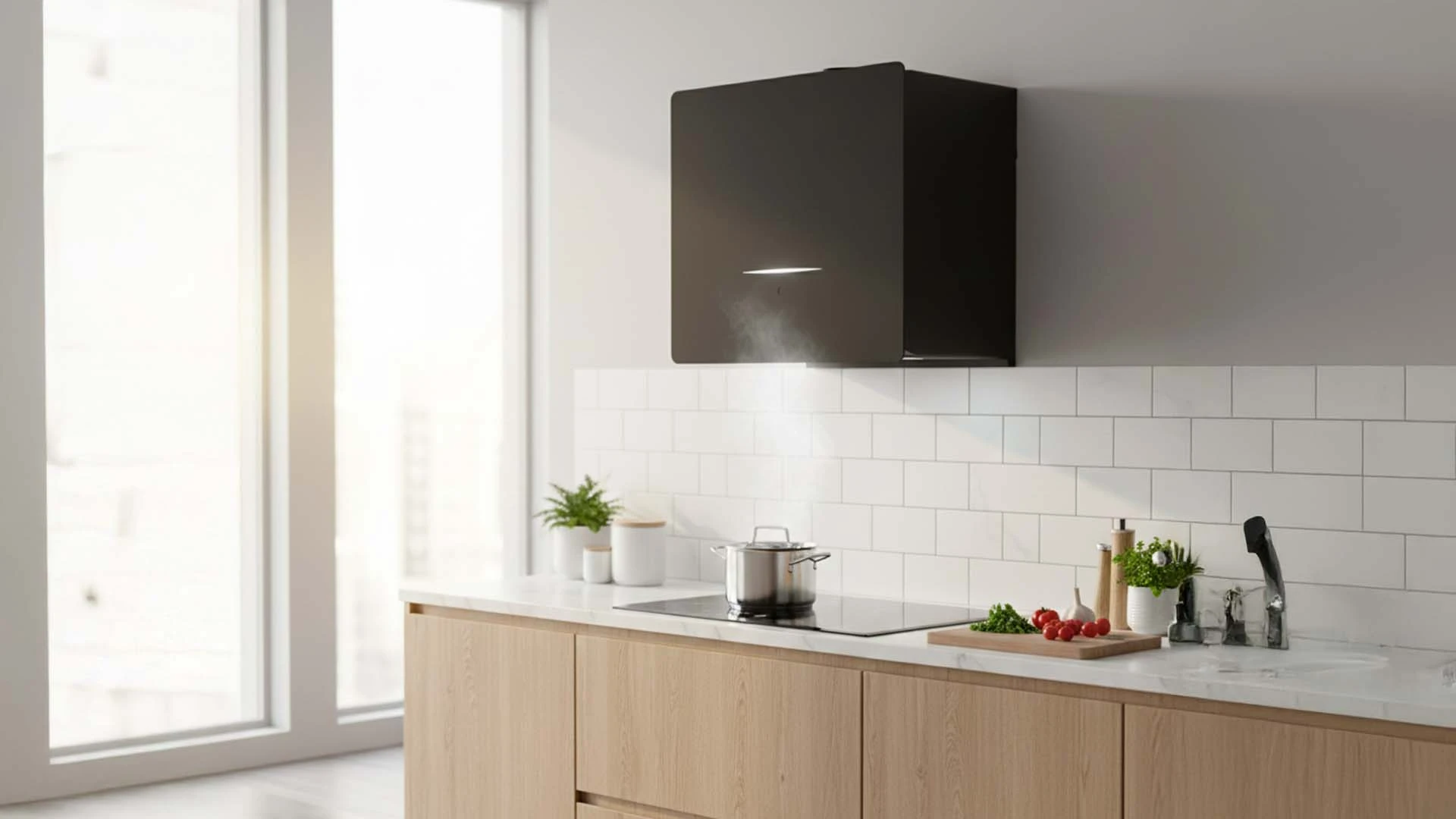
Understanding how ductless chimney works is crucial for homeowners seeking efficient kitchen ventilation without the complexity of traditional ducted systems. Unlike conventional chimneys that require external venting, ductless chimneys operate through a sophisticated filtration and recirculation process that cleans cooking fumes and returns purified air back into your kitchen. This ventless range hood technology has revolutionized modern kitchen appliances, offering a practical solution for compact kitchen design where installing ducts isn't feasible. Whether you're renovating an existing space or planning a new kitchen, this comprehensive checklist will guide you through everything you need to know about ductless chimney functionality, installation requirements, and maintenance to ensure optimal indoor air quality.
The fundamental operation of a ductless chimney revolves around a multi-stage filtration system that captures, filters, and recirculates air within your kitchen space. Unlike traditional ducted systems that expel air outside, this recirculating range hood draws contaminated air through powerful fans and processes it through specialized filters before releasing clean air back into the room.
The ductless chimney uses strategically positioned intake vents to capture cooking fumes, grease particles, and odors at their source. Internal fans create sufficient suction power to draw contaminated air upward through the filtration chambers.
The filtration process typically involves three key stages:
Grease filters - Capture oil particles and cooking residue
Carbon filters - Absorb odors and neutralize cooking smells
HEPA filters - Remove fine particles and improve air quality
After filtration, the cleaned air is redistributed back into the kitchen through outlet vents. This continuous cycle maintains indoor air quality without requiring external ducting or compromising your home's thermal envelope.
Every ductless chimney system comprises several critical components that work together to ensure effective kitchen ventilation. Understanding these elements helps you make informed decisions about range hood installation and long-term maintenance requirements.
The motor specifications determine suction capacity, typically measured in cubic meters per hour (CMH). Most residential ventless range hoods feature motors ranging from 400-1200 CMH, with variable speed controls for different cooking intensities.
Baffle filters - Stainless steel construction for grease removal
Cassette filters - Aluminum mesh for basic particle capture
Carbon filters - Activated charcoal for odor elimination
Combination filters - Multi-layer systems for comprehensive filtration
Modern ductless chimneys include digital displays, timer functions, automatic sensors, and LED lighting systems. Some advanced models feature gesture controls and smartphone connectivity for enhanced user experience.
Proper range hood installation for ductless chimneys requires careful planning and adherence to specific guidelines to ensure optimal performance. Unlike ducted systems, these units offer greater flexibility in placement but still demand attention to electrical requirements and mounting specifications.
Most ductless chimneys operate on standard 220V electrical connections with power consumption ranging from 150-300 watts. Ensure adequate electrical capacity and proper grounding for safe operation.
Install 24-30 inches above gas cooktops
Maintain 18-24 inches clearance above electric cooktops
Ensure minimum 6 inches clearance from walls
Verify ceiling height compatibility for compact kitchen design
While duct free ventilation eliminates external ducting needs, adequate room ventilation remains essential. Ensure proper air circulation pathways and avoid enclosed installations that restrict airflow.
Understanding the performance differences between ductless chimneys and traditional ducted systems helps determine the best chimney alternatives for your specific kitchen requirements. Each system offers distinct advantages depending on your cooking habits and kitchen layout.
Ducted chimneys typically achieve 90-95% smoke and odor removal efficiency by expelling contaminated air outside. Ductless chimneys achieve 70-85% efficiency through filtration, making them suitable for moderate cooking activities.
Ductless chimneys generally consume less energy than ducted systems because they don't expel conditioned air from your home. This results in lower heating and cooling costs, particularly beneficial in extreme climates where maintaining indoor temperature is expensive.
Ductless installation: INR 2,000-5,000 (labor only)
Ducted installation: INR 8,000-15,000 (including ductwork)
Maintenance costs: Ductless systems require regular filter replacements (INR 500-2,000 annually)
Regular maintenance ensures your ductless chimney continues delivering optimal indoor air quality and extends the lifespan of your modern kitchen appliances. Proper filter care and cleaning schedules are essential for maintaining peak performance.
Weekly: Wipe exterior surfaces and clean grease collection trays
Monthly: Clean or replace aluminum grease filters
Quarterly: Replace carbon filters for odor control
Annually: Professional inspection and motor maintenance
Most ductless chimneys feature indicator lights that signal when filters require replacement. Additionally, reduced suction power, persistent odors, or visible grease accumulation indicate immediate filter attention is needed.
Purchase filters in bulk for cost savings
Clean reusable filters with warm soapy water
Rotate filter sets to extend overall lifespan
Regular cleaning prevents costly motor repairs
Choosing the right ductless chimney requires evaluating multiple factors including kitchen size, cooking habits, and budget constraints. This systematic approach ensures you select a ventless range hood that meets your specific kitchen ventilation needs.
Calculate required suction capacity based on kitchen volume using the formula: Kitchen area (sq ft) × ceiling height × 10-12 = minimum CFM requirement. For Indian cooking, increase this by 20-30% to handle spice-heavy preparations.
Suction power - Primary consideration for effectiveness
Filter quality - Determines long-term performance
Noise levels - Important for open kitchen designs
Energy efficiency - Impacts operating costs
Brand reputation - Ensures reliable service support
Ductless chimneys range from INR 8,000-50,000 depending on features and brand. Factor in annual filter replacement costs (INR 1,000-3,000) when calculating total ownership expenses.
Yes, ductless chimneys are particularly valuable for Indian kitchens where external ducting may not be feasible. They effectively handle moderate cooking activities and spice-related odors through carbon filtration, though heavy oil cooking may require more frequent filter changes.
Ducted chimneys generally outperform ductless chimneys in terms of odor and smoke removal effectiveness. However, ductless chimneys offer superior installation flexibility and cost-effectiveness, making them ideal for apartments and compact spaces where ducting isn't practical.
Ductless chimneys are generally more energy-efficient than ducted systems because they don't expel conditioned air from your home. This recirculating range hood approach helps maintain your home's climate control efficiency, leading to lower heating and cooling costs.
Replace carbon filters every 3-6 months depending on cooking frequency and intensity. Aluminum grease filters should be cleaned monthly or replaced every 6-12 months. Heavy cooking may require more frequent replacements to maintain optimal indoor air quality.
While ductless chimneys can manage moderate frying and cooking activities, they're less effective than ducted systems for heavy-duty cooking. For frequent deep-frying or high-heat cooking, consider higher-capacity models with enhanced filtration systems.
Ductless chimneys represent an excellent chimney alternative for homeowners seeking efficient kitchen ventilation without the complexity and cost of traditional ducted systems. Understanding how ductless chimney works through filtration and recirculation enables informed decision-making about whether this duct free ventilation solution meets your specific needs. While they may not match the raw performance of ducted systems, ductless chimneys excel in installation flexibility, energy efficiency, and cost-effectiveness. Success with these modern kitchen appliances depends on proper sizing, regular maintenance, and realistic expectations about their capabilities. For compact kitchen design scenarios, apartments, or budget-conscious installations, ductless chimneys provide a practical solution that significantly improves indoor air quality compared to cooking without any ventilation system.
